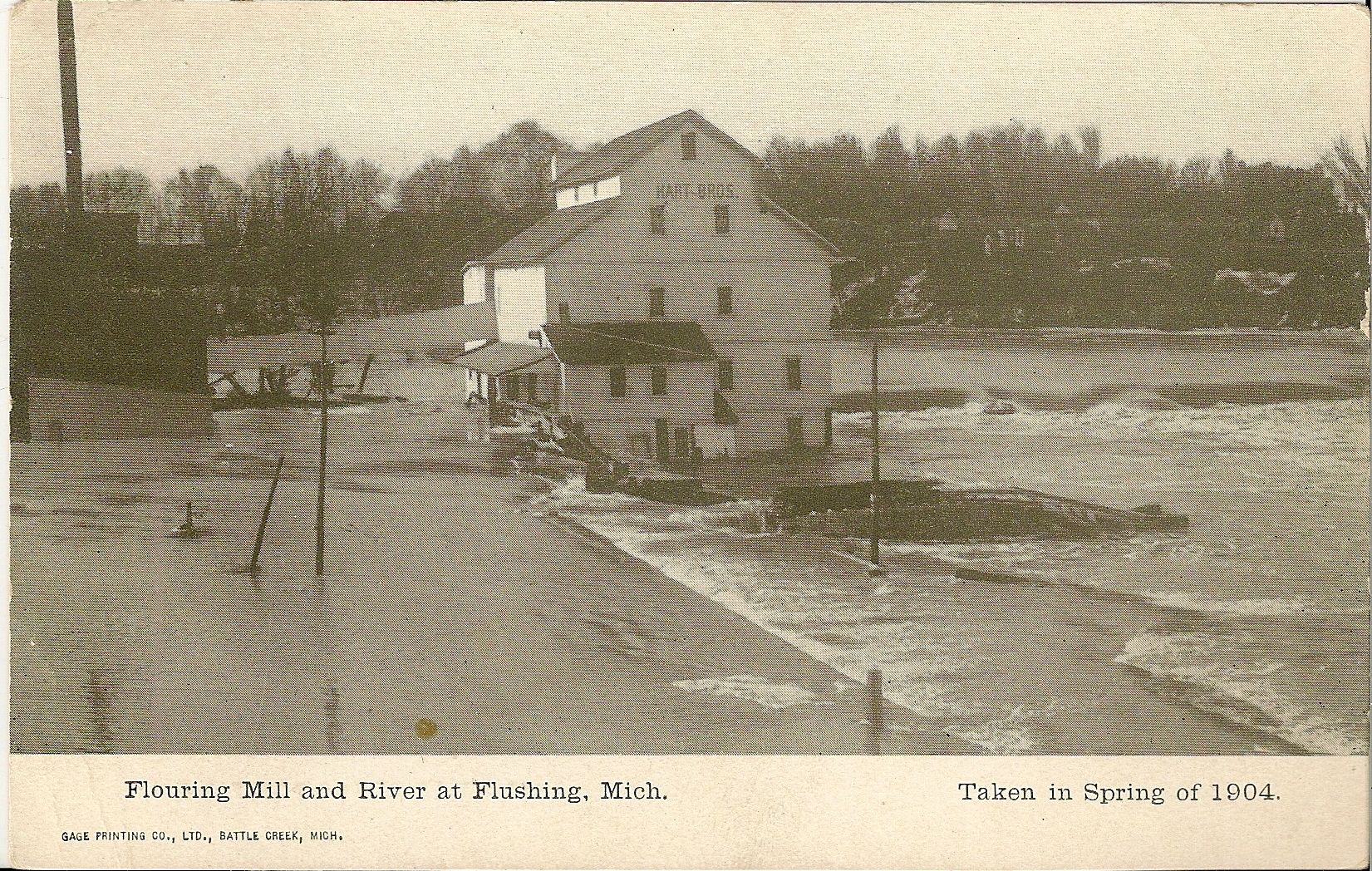
In March 1904, an unprecedented spring flood struck Flushing, Michigan, as part of one of the worst flood events in state history. A combination of factors – heavy late-winter snow, a sudden warm spell with torrential rain, and thick ice on the Flint River – led to a disastrous ice-jam flood. February 1904 had been exceptionally cold (the Flint River froze solid); then on March 14 a major snowstorm hit, and by the 24th temperatures soared into the 50s°F with rain, causing a rapid snowmelt on still-frozen ground. The Flint River rose higher than anyone had seen before. Contemporary reports marveled that “water and ice in the Flint River surpass all previous known records,” describing bridges and dams threatened by an “unprecedented volume of water”. In nearby Flint, factories and neighborhoods were inundated; by the time the flood crest roared downstream to Flushing around March 17–18, it created a local calamity.
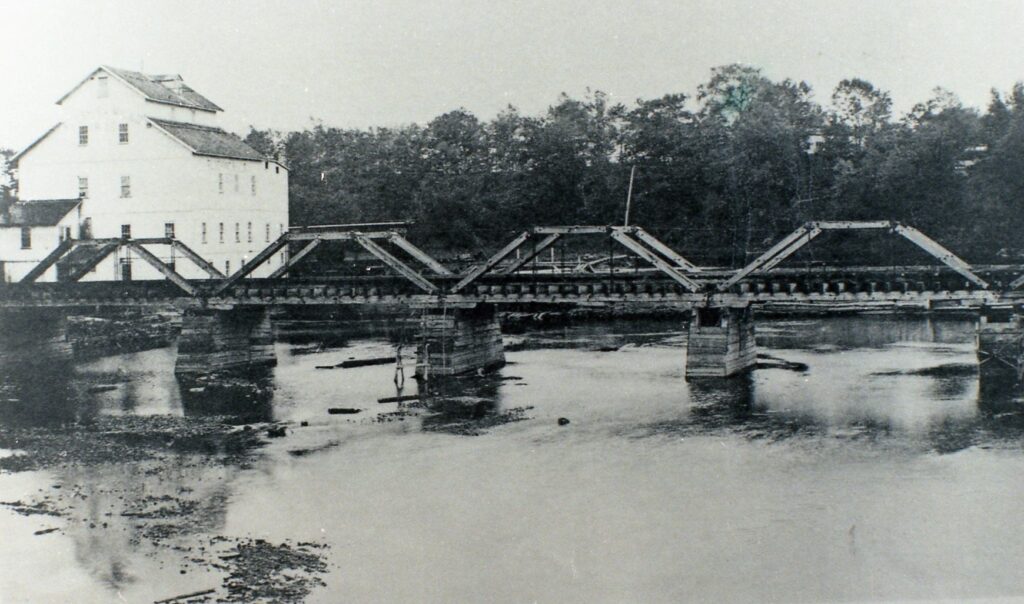
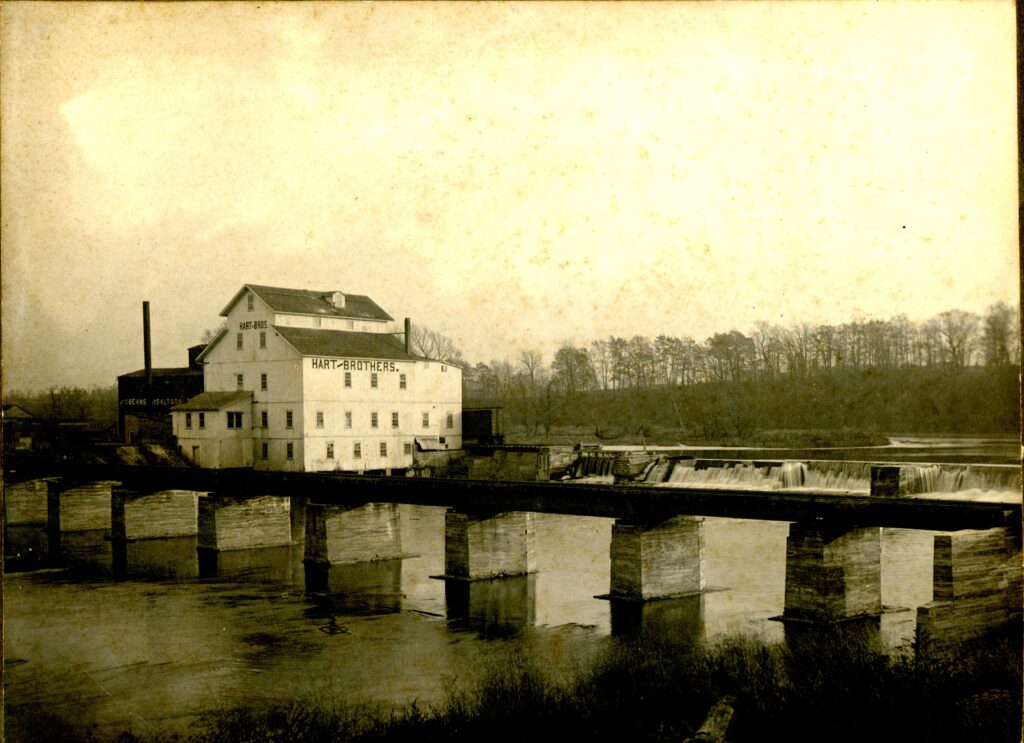
Flushing bore the full brunt of this deluge. The Flint River, normally mild through town, became a raging torrent. An enormous ice gorge that had jammed upstream broke loose and swept into Flushing, sending a wall of water, ice floes, and debris crashing over the Flushing dam. According to the Flushing Area Historical Society, the flood “came roaring over the dam and knocked the railroad bridge off its foundations”, completely wrecking the town’s railroad spur line bridge. This bridge was a freight spur built in 1888 that crossed the Flint River to serve Flushing’s east-side industries – notably the Hart Brothers flour mill at the dam and the city’s water and light plant. When the ice-laden floodwaters hit, the bridge’s support piers gave way. Onlookers later recalled that at the flood’s height, twisted iron rails were the only visible trace of the bridge, sticking out of the muddy water near the mill flume. Miraculously, the stout brick-and-concrete dam (which had been partly rebuilt after a slightly less severe 1903 ice-jam flood) withstood the onslaught, though it was damaged. The Flushing Observer reported that the flood even “extinguished the fires” under the mill’s boilers – the rushing river rose so high it doused the mill’s furnaces. This vividly illustrated just how deep the inundation was on the mill property.
The destruction of the railroad spur bridge in 1904 was a severe blow to Flushing’s economy and infrastructure. Rail service on the east side of town was instantly cut off. The Grand Trunk Western Railroad’s main line through Flushing stayed on the west bank and was not directly damaged by the flood (its track ran on higher ground). But the spur line over the river had been the vital link for freight deliveries to the mill and utilities. With that bridge gone, Hart’s flour mill – the railroad’s biggest local customer – and other facilities were stranded. In the flood’s aftermath, the millers and city workers had to improvise. As the Historical Society records note, “the Hart Flour Mill, [a] nearby mill, and the water and light plant had to return to teams and horses to bring in supplies”. For the next two years, workers hauled every barrel of flour, every load of coal, and every piece of machinery by wagon around from the west side depot. The Hart millers used teams of draft horses to lug wagonloads of flour barrels up the hill to the depot for shipment. Likewise, coal for the waterworks had to be carted through town instead of coming in by rail. One local lumber yard also suffered heavy losses: piles of lumber at West Main and Oak Streets were washed away by the torrent, and the owners hurried downstream to retrieve what they could when debris from Flushing collected against a bridge near Montrose.
Despite the devastation, Flushing’s community and business leaders responded with determination. Once the floodwaters receded, attention turned to replacing the destroyed railroad bridge and restoring the spur line service. Initially, the Grand Trunk Western Railroad was hesitant about rebuilding the spur. The 1888 bridge had been a wooden trestle structure, and the railroad assessed whether the limited freight traffic to Flushing’s east side justified the cost of a new bridge. At this point, Robert O. “Bob” Hart, co-owner of the flour mill, took the lead in rallying support for the bridge’s reconstruction. He knew that without a rail link, his business and other industries would suffer badly. In 1905, Hart spearheaded a reorganization of the family firm and its affiliates to demonstrate the mill’s economic viability. The Hart Brothers dissolved their old partnership and created a new, better-capitalized company, the Hart Milling & Power Co., with $100,000 in capital – a huge sum at the time. This new company (which also operated a second mill in nearby Lennon, and later took over Flushing’s electrical plant) signaled to the railroad that plenty of freight business would flow if service was restored.
Flushing’s civic leaders also stepped up. The village council agreed to provide incentives to facilitate the bridge project – for example, remitting Robert Hart’s local taxes for five years to help offset the costs of removing the wreckage and building new bridge piers. Presented with a solid business case and community support, Grand Trunk Western committed to rebuilding. By late 1905, engineering plans were underway for a much stronger bridge. Construction was completed in 1906, when a new steel truss railroad bridge spanned the Flint River at Flushing. The second bridge had robust concrete-and-steel piers, designed to withstand high water and ice. Service on the spur line resumed, reconnecting the Hart mill and other east-side enterprises to the rail network. In fact, the Historical Society notes pointedly that “there would have been no new bridge without the persuasive nature of Bob Hart” – crediting his efforts as the key to saving this piece of infrastructure.
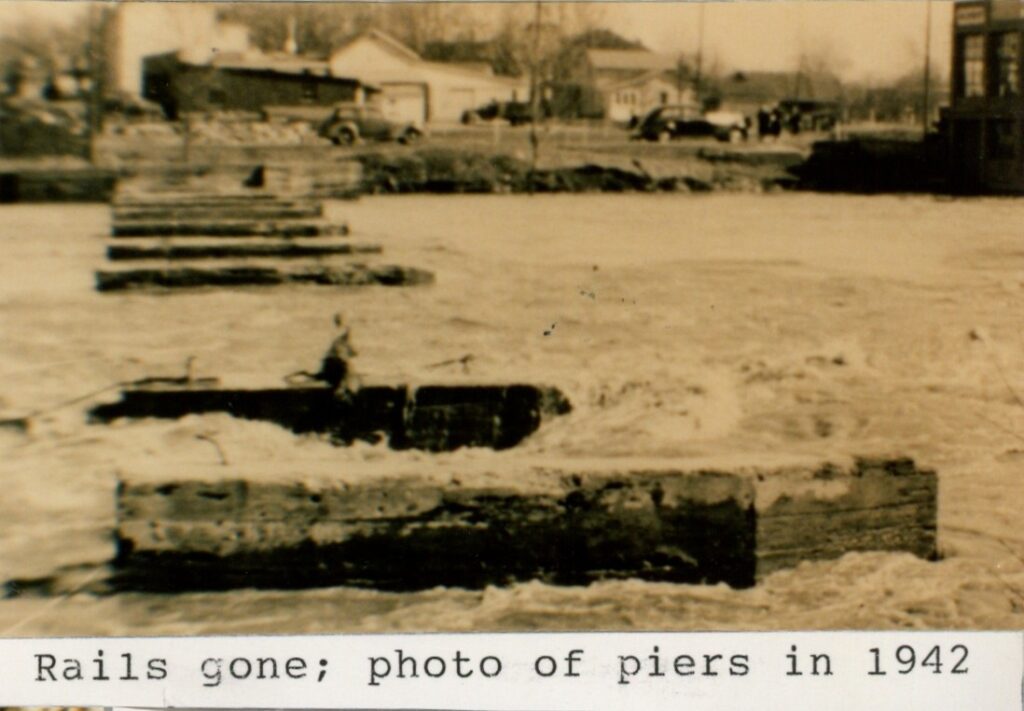
The 1904 flood remains a landmark event in Flushing’s history – a dramatic example of nature’s power and the community’s resilience. Regionally, the flood was part of what’s remembered as the Great Michigan Flood of 1904, which caused record crests on rivers across the lower peninsula (Grand Rapids, for instance, saw its highest water in generations, and Lansing had its worst flood in 135 years). In Genesee County, newspapers reported wide devastation but fortunately few casualties. Flushing’s experience during the flood – the sight of an iron railroad bridge crumpled by ice, the town’s prized mill isolated, and citizens rallying to rebuild – became part of local lore handed down through the decades. The rebuilt bridge served Flushing’s needs until the mid-20th century. By the early 1930s, rail traffic on the spur had dwindled (the mill burned down in 1918, and the spur was later used only sporadically). In 1933, the disused steel bridge was finally dismantled by work crews, leaving only the stout concrete piers standing in the Flint River as “sentinels of the past” for many years thereafter. But thanks to the successful rebuilding effort after 1904, the Flushing spur line had operated for a quarter century longer than it otherwise would have – a testament to effective local leadership in the face of disaster.