Flushing Fire Department: Difference between revisions
Created page with "Category:Flushing, Michigan == Key Fire Department Events in Flushing History (1835–1985) == This summary draws upon all available historical documents held in our archives, including: * ''A History of the Flushing Fire Department 1893–1985'' {{cite|turn7search1}} * ''Flushing Sesquicentennial Histories, Vols. 1–3'' {{cite|turn7search4|turn7search6|turn7search19}} * ''Hart Historical Compilations (1925, 1835–1935, Through the Years Vols. I & II)'' {{cite|tur..." |
No edit summary |
||
| (One intermediate revision by the same user not shown) | |||
| Line 1: | Line 1: | ||
[[Category:Flushing, Michigan]] | [[Category:Flushing, Michigan]] | ||
= | = Flushing Fire Department (Flushing, Michigan) = | ||
The Flushing Fire Department is one of the longest‑serving public safety institutions in Flushing, Michigan. Its evolution from a small volunteer hose company to a modern community fire service reflects the growth of the village and later city of Flushing from its 19th‑century origins into the late 20th century. | |||
== | == Origins and Early Community Context (1830s–1880s) == | ||
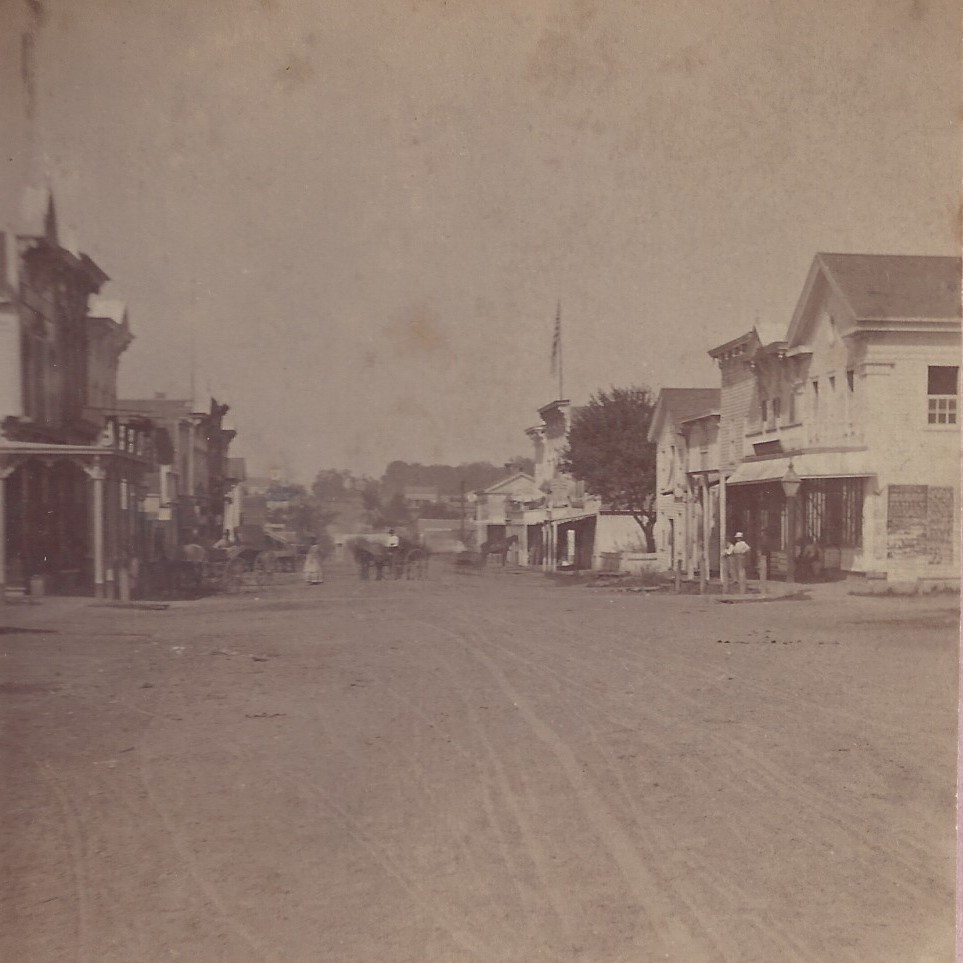
Prior to the establishment of an organized fire department, protection in Flushing relied on communal effort. Early settlement patterns—dense wooden structures, grain mills, and tightly packed commercial buildings—heightened fire risk. Records from the mid‑1800s document the construction of the Maple Street Fire Hall in 1884, which also served as the town hall and polling place. | |||
== Formal Establishment (1893–1910) == | |||
The first recorded fire organization emerged in 1893 as the Protection Hose Company. By 1897 it reorganized as the Flushing Fire Company. In the early years, equipment was limited, and fundraising through community suppers, dances, and merchant donations was essential. By 1900, the village began reimbursing the department for services, marking growing municipal responsibility. | |||
== | == Reorganization and Leadership Development (1911–1920s) == | ||
A major reorganization in 1911 strengthened departmental leadership and structure. More formal officer roles emerged, including fire chief, assistant chief, captain, and secretary‑treasurer. Pay rates were adopted for fire runs, and charges to the village for hydrant maintenance became standardized. Participation in statewide conventions reflected the department’s increasing professionalization. | |||
== | == Community Engagement and Fundraising (1920s–1940s) == | ||
Throughout this era, the department became deeply integrated in local civic life. Events such as dances, carnivals, and keno parties provided essential funding. The traditional Memorial Day decoration of firefighters’ graves began. During WWII, membership expanded, civil‑defense duties increased, and new emergency gear such as pump tanks and gas masks was obtained. | |||
== Modernization and Administrative Growth (1950s–1960s) == | |||
Postwar modernization included acquisition of a rescue vehicle, improvements in radio communication, standardized pay schedules, and structured first‑aid training. Public education expanded through fire‑prevention week activities, school programs, and parades. Beginning in 1953, the department’s minutes were typed, creating one of the most complete historical records of any Flushing organization. | |||
== | == Formation of the Flushing Firemen’s Association, Inc. (1973) == | ||
In 1973, the long‑standing informal firemen’s club incorporated as the Flushing Firemen’s Association, Inc. The Association became central to community fundraising, sponsoring the Easter Egg Hunt, Halloween Treat Night, Santa’s arrival, and the annual Christmas Tree Sale. Funds supported major purchases—including the Jaws of Life—and youth participation through an Explorer Post. | |||
== Centennial and Community Integration (1975–Early 1980s) == | |||
The | The department’s 1975 centennial was celebrated with a parade, waterball tournament, and historical exhibits. Public participation surged, and the fire department became a fixture of parades, fairs, and civic ceremonies. Fire‑prevention outreach expanded, and partnerships with nearby departments strengthened. Public raffles and events funded equipment upgrades. | ||
== Administrative Transformation and Conflict (1984–1985) == | |||
In 1985, the City of Flushing appointed its first paid part‑time fire chief, replacing decades of volunteer‑elected leadership. This change led to conflict within the department and the resignation of several long‑serving officers. The Firemen’s Association revised its bylaws and separated its internal structure from the firefighter rank system, marking a major organizational turning point. | |||
== | == Legacy and Historical Significance == | ||
The history of the Flushing Fire Department showcases more than a century of dedication to public safety, volunteerism, and civic engagement. From a 19th‑century hose company to a modern fire service, the department remains a cornerstone of the Flushing community, well‑documented through local histories, family accounts, and detailed departmental records. | |||
== | == References == | ||
* ''A History of Flushing Fire Department 1893–1985.pdf'' | |||
* ''Hart – Flushing & Clayton Historical Compilation, 1925_Part2.pdf'' | |||
* ''Hart 1925 Notes.pdf'' | |||
* ''Flushing Sesquicentennial History Vol. 1 (Vol1.pdf)'' | |||
* ''1916 History of Genesee County, Michigan Vol. 2.pdf'' | |||
* ''Flushing – Sesquicentennial History Vol 3_Part2.pdf'' | |||
* ''1892 Portrait and Biographical Record of Genesee County.pdf'' | |||
* ''1916 History of Genesee County Vol. 1.pdf'' | |||
* ''Hart – Centennial Chronicles 1835–1935 Part 2.pdf'' | |||
* ''1908 Biographical History of Genesee County.pdf'' | |||
* ''Hart – TBD Part 1.pdf'' | |||
* ''Hart – Centennial Chronicles 1835–1935 Part 1.pdf'' | |||
* ''1879 History of Genesee County, Michigan.pdf'' | |||
* ''Hart – Flushing & Clayton Historical Compilation, 1925_Part1.pdf'' | |||
* ''Hart – Flushing Through the Years Vol. II (1904–1924) Part 1.pdf'' | |||
* ''Hart – TBD Part 2.pdf'' | |||
* ''Hart – Flushing Through the Years Vol. II (1904–1924) Part 2.pdf'' | |||
* ''Hart – Flushing Through the Years Vol. I (1887–1903).pdf'' | |||
* ''Flushing Sesquicentennial History Vol. 3 Part 1.pdf'' | |||
* ''Flushing Local History Vol. 2 (Vol2.pdf)'' | |||
Latest revision as of 15:02, 27 February 2026
Flushing Fire Department (Flushing, Michigan)
The Flushing Fire Department is one of the longest‑serving public safety institutions in Flushing, Michigan. Its evolution from a small volunteer hose company to a modern community fire service reflects the growth of the village and later city of Flushing from its 19th‑century origins into the late 20th century.
Origins and Early Community Context (1830s–1880s)
Prior to the establishment of an organized fire department, protection in Flushing relied on communal effort. Early settlement patterns—dense wooden structures, grain mills, and tightly packed commercial buildings—heightened fire risk. Records from the mid‑1800s document the construction of the Maple Street Fire Hall in 1884, which also served as the town hall and polling place.
Formal Establishment (1893–1910)
The first recorded fire organization emerged in 1893 as the Protection Hose Company. By 1897 it reorganized as the Flushing Fire Company. In the early years, equipment was limited, and fundraising through community suppers, dances, and merchant donations was essential. By 1900, the village began reimbursing the department for services, marking growing municipal responsibility.
Reorganization and Leadership Development (1911–1920s)
A major reorganization in 1911 strengthened departmental leadership and structure. More formal officer roles emerged, including fire chief, assistant chief, captain, and secretary‑treasurer. Pay rates were adopted for fire runs, and charges to the village for hydrant maintenance became standardized. Participation in statewide conventions reflected the department’s increasing professionalization.
Community Engagement and Fundraising (1920s–1940s)
Throughout this era, the department became deeply integrated in local civic life. Events such as dances, carnivals, and keno parties provided essential funding. The traditional Memorial Day decoration of firefighters’ graves began. During WWII, membership expanded, civil‑defense duties increased, and new emergency gear such as pump tanks and gas masks was obtained.
Modernization and Administrative Growth (1950s–1960s)
Postwar modernization included acquisition of a rescue vehicle, improvements in radio communication, standardized pay schedules, and structured first‑aid training. Public education expanded through fire‑prevention week activities, school programs, and parades. Beginning in 1953, the department’s minutes were typed, creating one of the most complete historical records of any Flushing organization.
Formation of the Flushing Firemen’s Association, Inc. (1973)
In 1973, the long‑standing informal firemen’s club incorporated as the Flushing Firemen’s Association, Inc. The Association became central to community fundraising, sponsoring the Easter Egg Hunt, Halloween Treat Night, Santa’s arrival, and the annual Christmas Tree Sale. Funds supported major purchases—including the Jaws of Life—and youth participation through an Explorer Post.
Centennial and Community Integration (1975–Early 1980s)
The department’s 1975 centennial was celebrated with a parade, waterball tournament, and historical exhibits. Public participation surged, and the fire department became a fixture of parades, fairs, and civic ceremonies. Fire‑prevention outreach expanded, and partnerships with nearby departments strengthened. Public raffles and events funded equipment upgrades.
Administrative Transformation and Conflict (1984–1985)
In 1985, the City of Flushing appointed its first paid part‑time fire chief, replacing decades of volunteer‑elected leadership. This change led to conflict within the department and the resignation of several long‑serving officers. The Firemen’s Association revised its bylaws and separated its internal structure from the firefighter rank system, marking a major organizational turning point.
Legacy and Historical Significance
The history of the Flushing Fire Department showcases more than a century of dedication to public safety, volunteerism, and civic engagement. From a 19th‑century hose company to a modern fire service, the department remains a cornerstone of the Flushing community, well‑documented through local histories, family accounts, and detailed departmental records.
References
- A History of Flushing Fire Department 1893–1985.pdf
- Hart – Flushing & Clayton Historical Compilation, 1925_Part2.pdf
- Hart 1925 Notes.pdf
- Flushing Sesquicentennial History Vol. 1 (Vol1.pdf)
- 1916 History of Genesee County, Michigan Vol. 2.pdf
- Flushing – Sesquicentennial History Vol 3_Part2.pdf
- 1892 Portrait and Biographical Record of Genesee County.pdf
- 1916 History of Genesee County Vol. 1.pdf
- Hart – Centennial Chronicles 1835–1935 Part 2.pdf
- 1908 Biographical History of Genesee County.pdf
- Hart – TBD Part 1.pdf
- Hart – Centennial Chronicles 1835–1935 Part 1.pdf
- 1879 History of Genesee County, Michigan.pdf
- Hart – Flushing & Clayton Historical Compilation, 1925_Part1.pdf
- Hart – Flushing Through the Years Vol. II (1904–1924) Part 1.pdf
- Hart – TBD Part 2.pdf
- Hart – Flushing Through the Years Vol. II (1904–1924) Part 2.pdf
- Hart – Flushing Through the Years Vol. I (1887–1903).pdf
- Flushing Sesquicentennial History Vol. 3 Part 1.pdf
- Flushing Local History Vol. 2 (Vol2.pdf)