Laurel House Hotel: Difference between revisions
Created page with "== Laurel House Hotel / Flushing Observer Building (Flushing, Michigan) == The Laurel House Hotel (later known as the Flushing Observer Building) is a historic brick commercial structure at 101 Main Street, Flushing, Michigan, on the northeast corner of Main and Maple Streets. Originally a two-story wooden store converted into a tavern, it was purchased and enlarged by Mary Passmore in the 1870s and became Flushing’s second hotel. After a devastating fire in 1878, she..." |
No edit summary |
||
| Line 1: | Line 1: | ||
[[Category:Flushing, Michigan]] | |||
== Laurel House Hotel / Flushing Observer Building (Flushing, Michigan) == | == Laurel House Hotel / Flushing Observer Building (Flushing, Michigan) == | ||
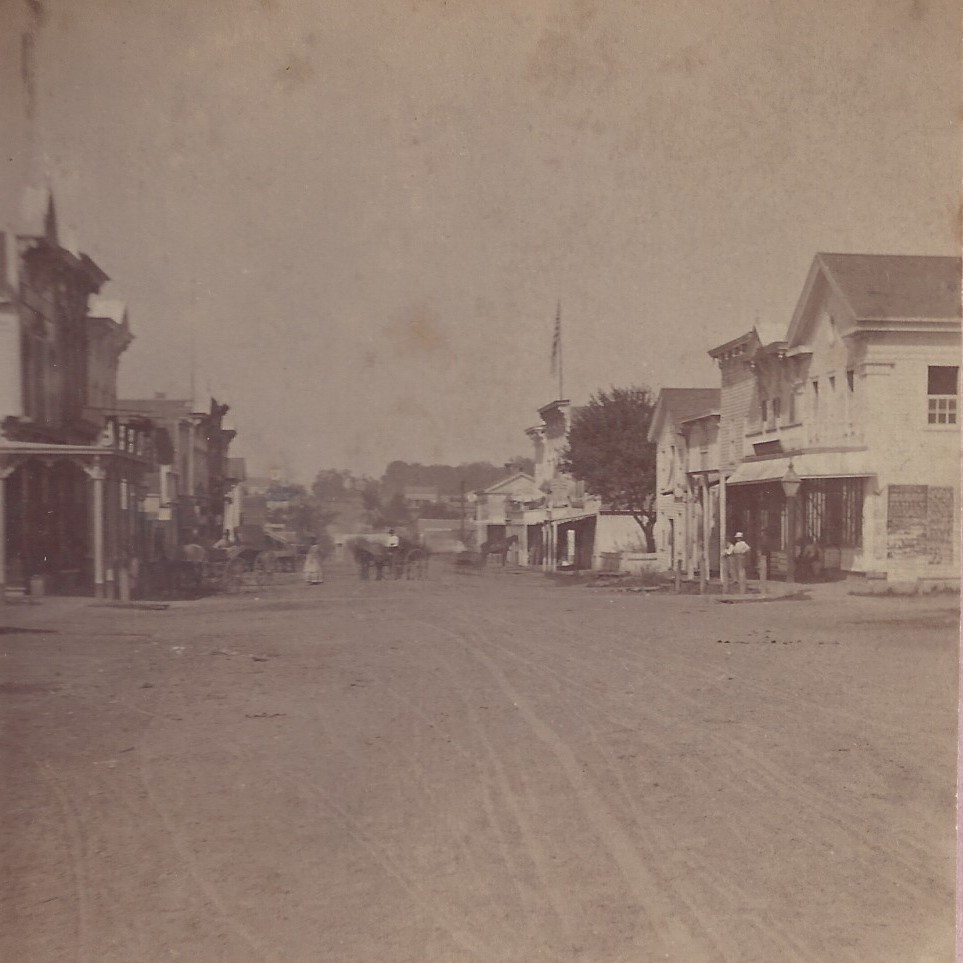
The Laurel House Hotel (later known as the Flushing Observer Building) is a historic brick commercial structure at 101 Main Street, Flushing, Michigan, on the northeast corner of Main and Maple Streets. Originally a two-story wooden store converted into a tavern, it was purchased and enlarged by Mary Passmore in the 1870s and became Flushing’s second hotel. After a devastating fire in 1878, she rebuilt it as the community’s first three-story brick building, naming it the Laurel House Hotel. The building later housed the Flushing Observer newspaper offices, giving rise to its secondary name. Today it is considered a contributing property in the Main Street Historic District, which is listed on the National Register of Historic Places (June 20 1983). | The Laurel House Hotel (later known as the Flushing Observer Building) is a historic brick commercial structure at 101 Main Street, Flushing, Michigan, on the northeast corner of Main and Maple Streets. Originally a two-story wooden store converted into a tavern, it was purchased and enlarged by Mary Passmore in the 1870s and became Flushing’s second hotel. After a devastating fire in 1878, she rebuilt it as the community’s first three-story brick building, naming it the Laurel House Hotel. The building later housed the Flushing Observer newspaper offices, giving rise to its secondary name. Today it is considered a contributing property in the Main Street Historic District, which is listed on the National Register of Historic Places (June 20 1983). | ||
Latest revision as of 21:33, 23 February 2026
Laurel House Hotel / Flushing Observer Building (Flushing, Michigan)
The Laurel House Hotel (later known as the Flushing Observer Building) is a historic brick commercial structure at 101 Main Street, Flushing, Michigan, on the northeast corner of Main and Maple Streets. Originally a two-story wooden store converted into a tavern, it was purchased and enlarged by Mary Passmore in the 1870s and became Flushing’s second hotel. After a devastating fire in 1878, she rebuilt it as the community’s first three-story brick building, naming it the Laurel House Hotel. The building later housed the Flushing Observer newspaper offices, giving rise to its secondary name. Today it is considered a contributing property in the Main Street Historic District, which is listed on the National Register of Historic Places (June 20 1983).
History
Early years (before 1878) – A two-story wooden building on this corner served variously as a store and a tavern. In the early 1870s, Mary Passmore purchased the property and converted it into a hotel called the Laurel House, making it Flushing’s second hotel.1 1878 fire and rebuilding – A major fire in 1878 burned the wooden hotel. Passmore rebuilt immediately, erecting a three-story brick hotel—the first such building in Flushing. This new Laurel House included a large barroom and guest rooms on the upper floors and became a prominent stop for travelers arriving by the newly built railroad.1 1890 fire and reduction to two stories – Another fire on 21 September 1890 destroyed the top floor; Passmore chose not to rebuild the third story. The hotel continued to operate as a two-story brick building.1 Use by the Flushing Observer – By the turn of the 20th century, the local weekly newspaper, The Flushing Observer, rented space in the Laurel House. The newspaper installed its press and newsroom on the second floor (formerly hotel rooms), and the building became known locally as the Observer Building.12 Later uses – After the hotel closed in the early 20th century, the ground floor housed a barbershop, and the upper floor was converted into an apartment. The building continued serving various commercial tenants through the 20th century.1 Preservation – In a 1970s survey of historic structures, historians identified the Laurel House/Observer Building as an important survivor of Flushing’s early brick architecture. It became a contributing property to the Main Street Historic District, which was listed on the U.S. National Register of Historic Places on 20 June 1983.3 The building remains in commercial use and is valued as a tangible link to Flushing’s 19th-century heritage.
Architecture
The Laurel House Hotel/Observer Building is a two-story brick commercial structure with a rectangular plan, built in 1878 to replace a burned two-story wooden tavern.1 Architectural details are typical of late-19th-century small-town commercial buildings, likely featuring an Italianate-style cornice and tall, narrow windows. After the 1890 fire, the third story was removed, but the façade retained much of its brickwork and ornamental detailing. Its corner location made it a visual landmark in downtown Flushing.
Significance
This building is significant as one of Flushing’s earliest brick structures and the town’s second hotel. Through its various incarnations—as the Laurel House Hotel, the Observer newspaper office, and later commercial and residential space—it reflects the growth and changing economy of Flushing from the 1870s through the 20th century. Its inclusion as a contributing building in the Main Street Historic District underscores its importance to the historic fabric of downtown Flushing.
Sources
1 - Flushing Sesquicentennial History, Volume One (1985), Flushing Area Historical Society – details on Mary Passmore’s purchase of the tavern, the 1878 and 1890 fires, rebuilding of the hotel, later conversions to barbershop and residence.
2 - Flushing Sesquicentennial History, Volume Three (1998), Flushing Area Historical Society – accounts of the Flushing Observer newspaper’s use of the building as its office and printing plant.
3 - Genesee County Multiple Resource Area – National Register nomination (1983) – lists the “Laurel House Hotel/Flushing Observer Building” at 101 Main Street as a contributing property in the Main Street Historic District, with construction dates and historical significance.