Flushing Fire Department
Key Fire Department Events in Flushing History (1835–1985)
This summary draws upon all available historical documents held in our archives, including:
- A History of the Flushing Fire Department 1893–1985 Template:Cite
- Flushing Sesquicentennial Histories, Vols. 1–3 Template:Cite
- Hart Historical Compilations (1925, 1835–1935, Through the Years Vols. I & II) Template:Cite
- 1879, 1892, 1908, and 1916 Genesee County Histories Template:Cite
Early Conditions and Pre‑Department Era (1830s–1880s)
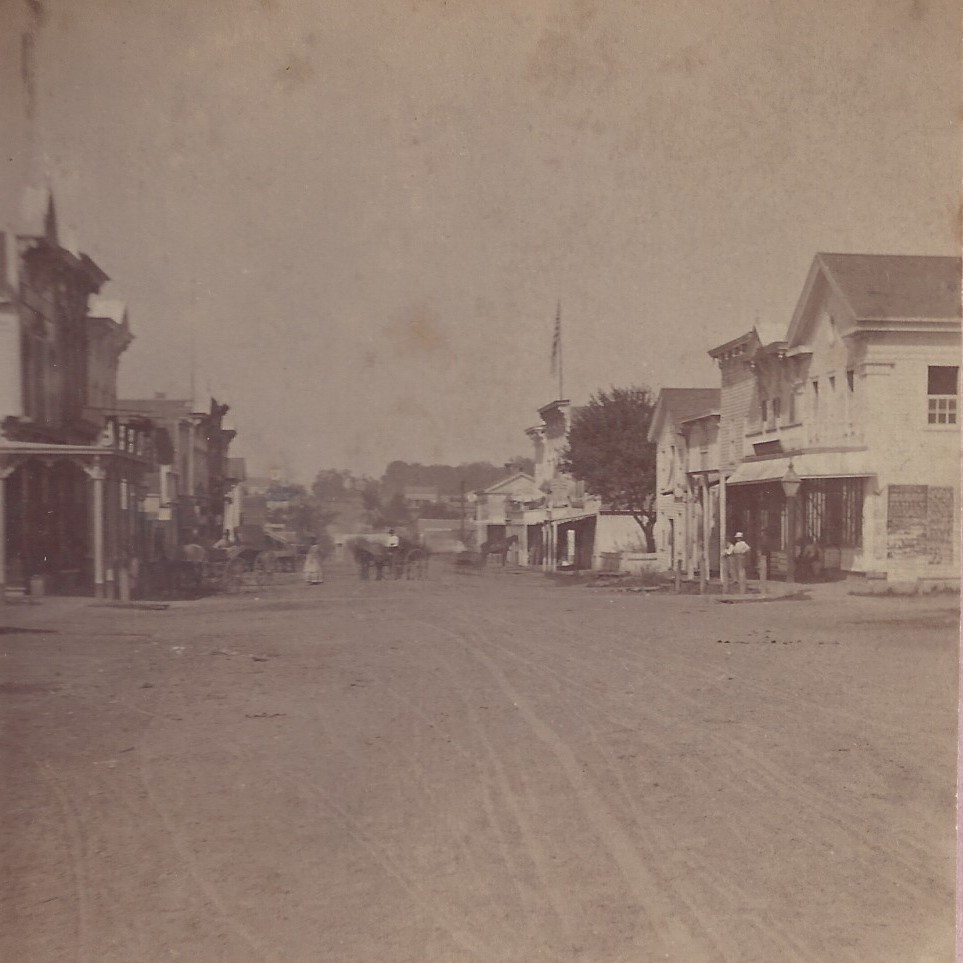
Before the formal establishment of the Flushing Fire Department, fire response was handled informally by settlers, bucket brigades, and community volunteers. Records across the Centennial Chronicles and early Flushing compilations describe the hazard‑laden environment of mills, wooden buildings, and tightly clustered settlements. These conditions formed the backdrop that made a formal fire service necessary. Template:Cite
Establishment of Organized Fire Protection (1893–1910)
The first organized company formed in 1893 under the name **Protection Hose Company**, later renamed the **Flushing Fire Company** in 1897. Early efforts focused on acquiring basic equipment—ladders, axes, coats—and negotiating with the village for funding and hydrant privileges. Leadership during this time included J.B. French (1895) and T.C. Hagan (1899). Template:Cite
Formal Reorganization and Expansion (1911–1920s)
Under Chief **Joe Gage** (beginning 1911), the department gained structure, setting hydrant‑flushing fees and establishing fixed compensation for fire runs (1915). Beginning with Chief Claude Wood's administration, the department transitioned from elected to appointed leadership roles, marking a shift toward professionalization. Template:Cite
Community Involvement and Fundraising Traditions (1920s–1940s)
During this period, dances, carnivals, and keno parties helped raise funds for equipment. The department began the tradition of decorating deceased members’ graves each Memorial Day. World War II prompted enlarged membership “for the duration,” along with acquisition of civil‑defense gear such as pump tanks and gas masks. Template:Cite
Modernization and New Technology (1950s–1960s)
In the post‑war era, the department expanded its capabilities with:
- A rescue vehicle and improved radios (1950s)
- Standardized township and village pay structures
- Red Cross first‑aid training
- Greater fire‑prevention outreach and participation in fairs
Typed minutes beginning in 1953 greatly improved documentation quality. Template:Cite
Incorporation of the Flushing Firemen’s Association, Inc. (1973)
Although firemen had long collaborated informally, the Association formally incorporated in 1973. It became the driving force behind:
- Annual community events (Easter Egg Hunt, Halloween Treat, Santa’s arrival)
- Fundraising for major equipment, including the **Jaws of Life**
- Sponsorship of an **Explorer Post** for youth fire service development Template:Cite
Centennial Celebration and Heightened Public Presence (1975–Early 1980s)
The department celebrated its centennial in 1975 with a parade and waterball tournament. Annual Christmas tree sales became a major fundraiser. Firefighters participated heavily in parades, fairs, prevention booths, and charitable giving, such as MDA drives and Salvation Army support. The Association also contributed to restoration of the historic Flushing Depot. Template:Cite
Administrative Conflict and Transformation (1984–1985)
A major turning point occurred when the city appointed **Leon Noack** as the first paid part‑time chief in 1985. This ended volunteer‑elected leadership and caused significant internal division. Many veteran members resigned in protest. The Association responded by separating its work from department governance. The dispute temporarily affected relationships with county fire organizations. Template:Cite
Historical Preservation and Broader Context from Other Sources
Local histories (Sesquicentennial Vols. 1–3, Hart compilations, and county histories) reinforce the department’s role in:
- Parades, public celebrations, and civic ceremonies
- Emergency responses to major fires, accidents, and natural disasters
- The evolution of municipal infrastructure (movement of fire halls, addition of caretaker apartments, major 1974 fire station construction)
- Early industrial and transportation risks that shaped fire protection needs Template:Cite
Conclusion
Across all documents, the Flushing Fire Department emerges as one of the community’s most enduring institutions. Its evolution—from a simple hose company in 1893 to a modern service by 1985—reflects the growth, challenges, and character of Flushing itself.