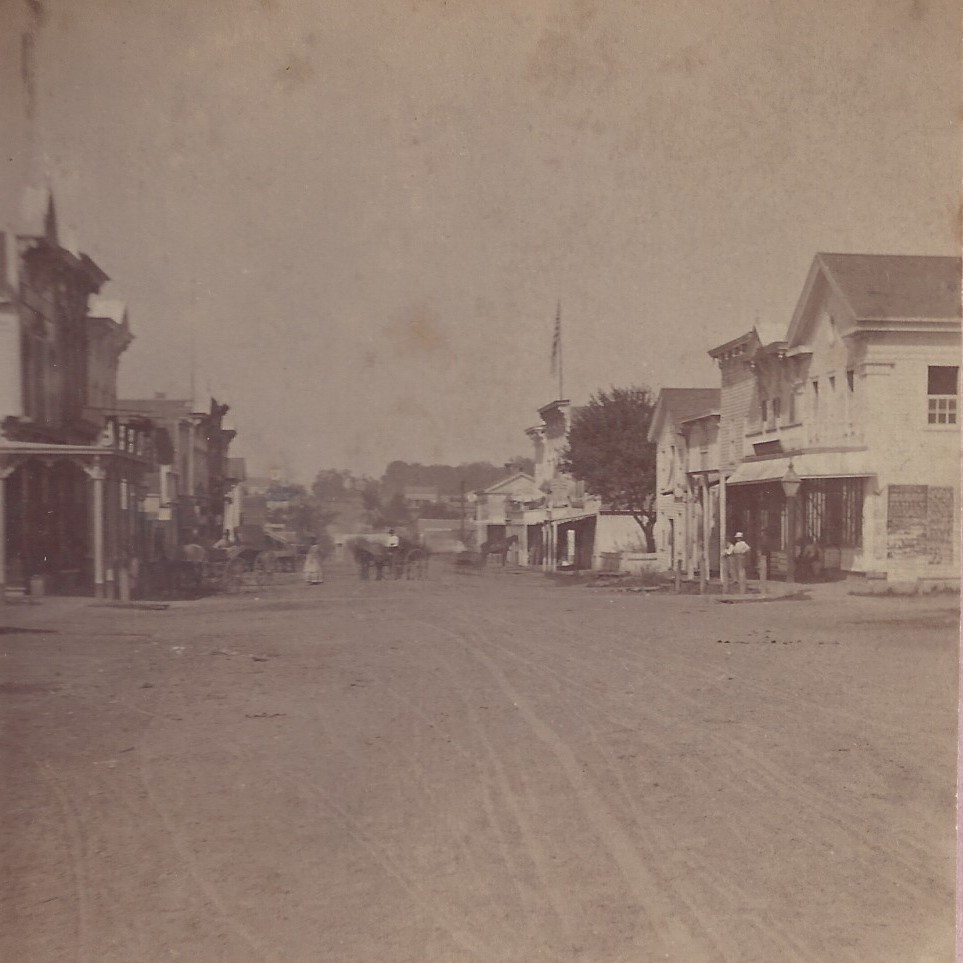
1940 in the Village of Flushing, Michigan
1940 in the Village of Flushing, Michigan
1940 was a landmark year for the Village of Flushing, Michigan, highlighted by the completion and commissioning of a modern waterworks system and active governance addressing local needs. The Village Council managed the final phases of a federally-funded water project, implemented new ordinances, and responded to public petitions and routine municipal business. The Council also conducted municipal elections and adjusted local tax policies, while continuing essential services in the community.
Municipal Officials
| Position | Name |
|---|---|
| Village President | Harley J. Parkhurst |
| Village Clerk | William E. Beebe |
| Village Treasurer | Earl P. Luce |
| Fire Chief | Claud B. Wood |
| Assistant Fire Chief | J. A. Gardner |
| Street & Water Superintendent | James C. Stout |
| Day Police Officers | James C. Stout; H. D. Armstrong |
| Night Watchman | George Nickerson |
| Trustees | Bernard P. Bueche, William J. Everett, Frank W. Hertrich, Edwin P. Dalton, Clyde A. Jessop, Frank A. Niles |
Completion of the Waterworks Project
The most significant development in 1940 was the completion of the PWA-funded waterworks improvement project (Docket No. 1776-F Michigan).
Final Construction and Acceptance
- January–February: Construction continued under PWA deadline extensions. The Council granted contractors additional time and declined to install a commemorative plaque to avoid extra costs.
- March: The distribution system (Contract No. 1) was completed. The Council approved interim payments and resolved administrative delays.
- April: On April 15, the Council formally accepted the completed water treatment plant and softening equipment. The Francis Engineering Co. certified Contract No. 3 (Permutit Company) as complete. Final payments were authorized.
- Operational Launch: The plant began regular operation in spring. Water samples were sent to the Michigan Department of Health for testing. The new system resolved long-standing iron and hardness issues.
Water Rates and Policies
- A new rate schedule was adopted: $1.25 for the first 3,000 gallons, with tiered rates thereafter.
- A 10% penalty applied to late payments; no early payment discounts were offered.
- Rates for out-of-village users were doubled for the first 8,000 gallons.
- The total project cost was approximately $40,078, with a minor overrun of ~$94 covered by village funds.
- Contractors were relieved of liquidated damages due to delays beyond their control.
Governance and Civic Affairs
Elections and Appointments
- The March 4 election re-elected President Parkhurst, Clerk Beebe, Treasurer Luce, and Assessor H. L. Mann.
- Trustees elected: Edwin P. Dalton, Frank W. Hertrich, Clyde A. Jessop.
- The Council confirmed appointments and committee assignments on March 14.
- George Nickerson resigned as Night Watchman; Kenneth B. Young was later appointed.
Budget and Taxation
- The 1940–41 tax levy was set at 16 mills.
- The band tax (½ mill) was repealed by voter referendum.
- The First State & Savings Bank was designated as the village depository.
- The village maintained a balanced budget and completed the water project without significant overruns.
Local Legislation and Public Issues
Ordinances
- A Mechanical Amusement Devices Ordinance was passed on May 6:
- $5 annual license per machine
- Prohibited use by minors under 18
- Penalties included fines up to $100 or 90 days in jail
- Traffic and parking regulations were updated:
- Parallel parking on Main Street was made permanent
- “No Double Parking” signs were posted
- A police call box was installed at Main & Maple
- The Council resolved not to issue new liquor licenses in 1940.
Public Petitions and Community Concerns
- Tax relief was granted to Mrs. Emma Moyer to prevent hardship.
- Residents of Oak Street petitioned for storm sewer extensions to address flooding.
- The Flushing Community Band was allowed to use the Community House auditorium for practice after the band tax was repealed.
Year-End Developments
By the end of 1940:
- The water treatment plant was fully operational.
- The village announced plans to relocate departments to the expanded Community House.
- The year marked a transition to modern utilities and sound governance, positioning Flushing for the challenges of the 1940s.