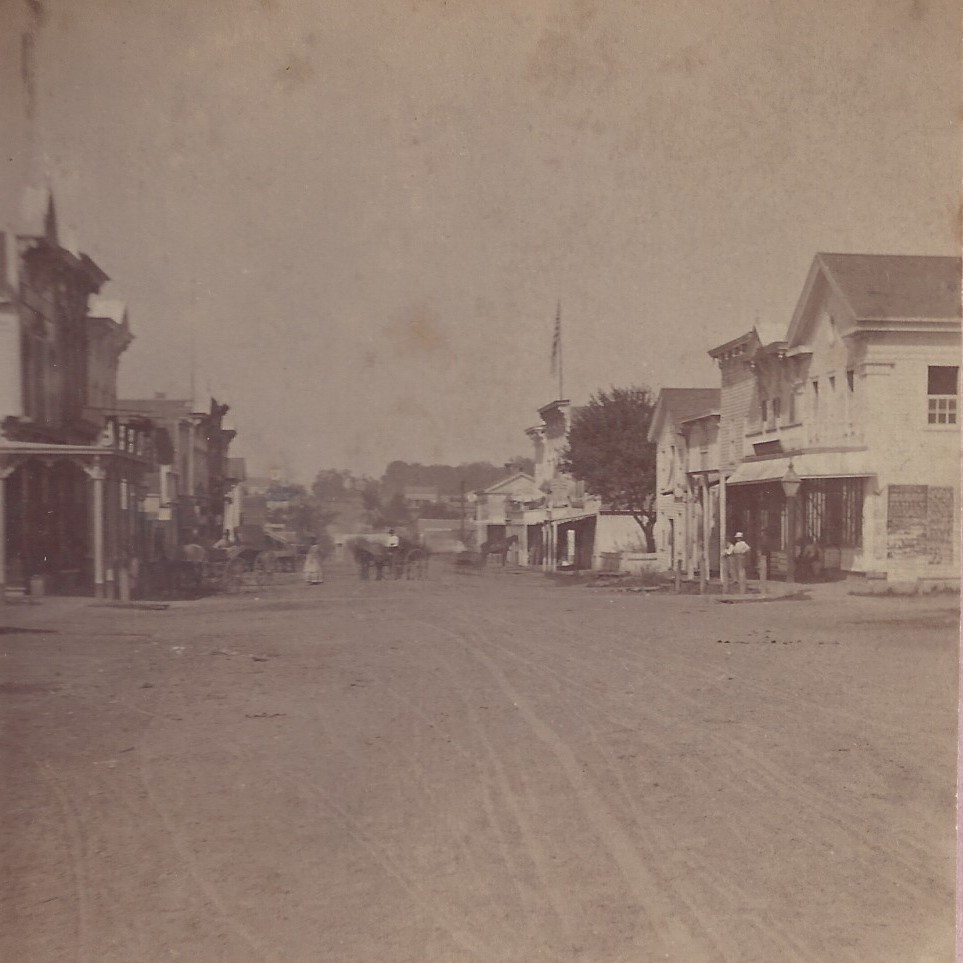
1941 in the Village of Flushing, Michigan
1941 in the Village of Flushing, Michigan
1941 saw the Village of Flushing, Michigan consolidate the gains of its new waterworks system and undertake plans for further infrastructure improvements, while maintaining steady civic administration. The Village Council finalized the water project initiated in the late 1930s, implemented new parking and traffic regulations, and prepared for street paving projects. Routine governance continued with elections, appointments, budgeting, and addressing citizen petitions, all against the backdrop of the early WWII era.
Municipal Officials
| Position | Name |
|---|---|
| Village President | Harley J. Parkhurst |
| Village Clerk | William E. Beebe |
| Village Treasurer | Earl P. Luce |
| Fire Chief | Claud B. Wood |
| Assistant Fire Chief | J. A. Gardner |
| Street & Water Superintendent | James C. Stout |
| Day Police Officers | James C. Stout; H. D. Armstrong |
| Night Watchman | Carlton R. Browning |
| Trustees | Bernard P. Bueche, Harold C. Johnson, Floyd R. Fults, William J. Everett, Frank W. Hertrich, Clyde A. Jessop |
Finalizing the Waterworks System
The modern water treatment plant, completed in late 1940, was formally accepted by the Village Council in May 1941. Testing confirmed the plant effectively softened and filtered the water supply. A resolution passed on May 9, 1941, acknowledged the Permutit Company’s fulfillment of its contract and authorized final payment. The company also provided additional filter media and technical support at no charge.
Throughout 1941, the Council managed plant operations, including ordering 860 tons of salt and purchasing treatment chemicals. Monthly reports confirmed the system was running smoothly.
Governance and Civic Administration
Elections and Appointments
- The March 10 election re-elected President Parkhurst, Clerk Beebe, Treasurer Luce, and Assessor H. L. Mann.
- Trustees elected: Bernard P. Bueche, Harold C. Johnson, Floyd R. Fults.
- Standing committees were appointed on March 13.
- Claud B. Wood was reappointed Fire Chief; J.A. Gardner as Assistant Chief.
- James C. Stout continued as Street & Water Superintendent.
- Carlton R. Browning was appointed Night Watchman in February, replacing H.D. Keeler.
Budget and Finance
- The 1941 tax rate was set at 16 mills:
- 7.5 mills – General Fund
- 6.0 mills – Street Fund
- 2.5 mills – Bond Interest
- Insurance policies were renewed for municipal properties.
- The village maintained a balanced budget and stable finances.
Ordinances and Public Policy
- Ordinance No. 34 prohibited parking on the south side of East Main Street from Cherry to the Flint River gulley.
- The Council opposed a Michigan House bill reducing state weight tax revenue for villages.
- New members were appointed to the Community House Commission.
- Election inspectors and registrars were designated.
- Bernard Bueche was elected Council President pro tem.
Community Initiatives and Public Works
Street Paving Plans
- Petitions were received to pave North Saginaw and Chamberlain Streets.
- A financing plan was developed: 50% special assessment, 50% highway fund.
- A public hearing was held on July 7, 1941.
- Engineering plans were prepared, but construction was delayed due to wartime constraints.
Drainage and Sewer Petitions
- Oak Street residents petitioned for sanitary sewer extensions.
- The Council deferred permanent fixes but addressed issues through maintenance.
Liquor License Transfer
- Clair R. Jeffries was approved to transfer the beer license for Flushing Gardens tavern.
Civil Defense Notes
- Initial civil defense preparations began in December following the Pearl Harbor attack.
Departmental Operations
- Superintendent Stout reported on street and water operations.
- A water main extension to C.M. Reed’s farm was approved at his expense.
- Night Watchman Browning submitted monthly patrol reports.
- Village labor wages were increased to $0.50/hour.
- Fire Department acquired new coats and boots for firefighters.
- No major fires occurred; township fire calls were billed accordingly.
Looking Ahead
By year’s end, Flushing had a fully operational water plant, stable finances, and plans for future infrastructure. With the onset of WWII, the village began preparing for civil defense while maintaining strong municipal services and governance.