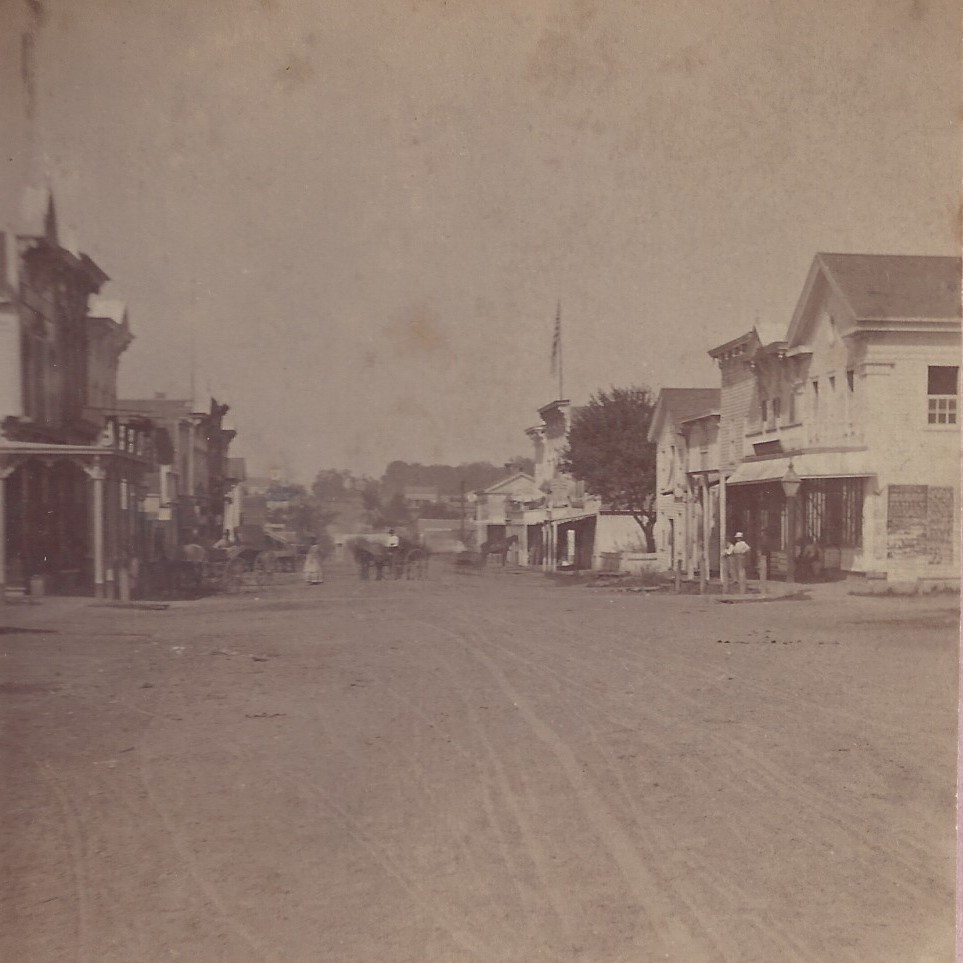
1941 in the Village of Flushing, Michigan
1941 in the Village of Flushing, Michigan
1941 saw the Village of Flushing, Michigan consolidate the gains of its new waterworks system and undertake plans for further infrastructure improvements, while maintaining steady civic administration. The Village Council finalized the water project initiated in the late 1930s, implemented new parking and traffic regulations, and prepared for street paving projects. Routine governance continued with elections, appointments, budgeting, and addressing citizen petitions, all against the backdrop of the early WWII era.
Municipal Officials
| Position | Name |
|---|---|
| Village President | Harley J. Parkhurst |
| Village Clerk | William E. Beebe |
| Village Treasurer | Earl P. Luce |
| Fire Chief | Claud B. Wood |
| Assistant Fire Chief | J. A. Gardner |
| Street & Water Superintendent | James C. Stout |
| Day Police Officers | James C. Stout; H. D. Armstrong |
| Night Watchman | Carlton R. Browning |
| Trustees | Bernard P. Bueche, Harold C. Johnson, Floyd R. Fults, William J. Everett, Frank W. Hertrich, Clyde A. Jessop |
Finalizing the Waterworks System
The modern water treatment plant, completed in late 1940, was formally accepted by the Village Council in May 1941 as performing to contract specifications. The Council noted that testing showed the plant effectively softened and filtered the water supply. In a resolution passed on May 9, 1941, the Council acknowledged the Permutit Company’s fulfillment of its equipment installation contract (Contract No. 3) and authorized final payment. The Permutit Company, in turn, agreed to provide extra filter media and on-site technical support at no charge, further enhancing the plant’s capacity. With this resolution, Flushing’s new waterworks – part of PWA Project 1776-F – was officially complete and fully operational. The village now enjoyed reliably softened, iron-free water, a significant improvement for residents and fire protection. Throughout 1941, the Council managed the plant’s needs by ordering bulk supplies (such as 860 tons of water-softener salt at $7.05/ton in January) and purchasing chemicals for treatment. Regular reports from the Street and Water Department indicated the system was running smoothly, with maintenance like filter servicing and routine water testing integrated into village operations.
Governance and Civic Administration
Elections and Appointments
The March 10, 1941 village election re-elected President Harley Parkhurst and Clerk William Beebe (both unopposed), as well as Treasurer Earl Luce and Assessor H. L. Mann. Three trustee positions were on the ballot; Bernard P. Bueche, Harold C. Johnson, and Floyd R. Fults were elected, joining holdover trustees Frank W. Hertrich, Clyde A. Jessop, and William J. Everett on the six-member Council. At the post-election meeting on March 13, the newly elected officials were sworn in, and President Parkhurst announced standing committee assignments for 1941. Claud B. Wood was reappointed as Fire Chief (continuing a tenure dating back to 1909) with J.A. Gardner as Assistant Chief, and James C. Stout remained Superintendent of the Street and Water Departments. Day policing continued under Officer Stout and Constable H.D. Armstrong. A change occurred in the Night Watchman position: longtime night watch H.D. Keeler retired in January, and after vetting several applicants (including background checks with other police departments), the Council hired Carlton R. Browning as the new full-time night police officer in February 1941. Browning’s appointment was unanimously confirmed, and he served as the village’s overnight patrolman and watchman for the remainder of the year. Financially, the Council maintained stability. In June 1941, after reviewing the assessment roll (which showed a total property valuation of $1,099,800), the Council set the 1941 village tax rate at 16 mills, the same rate as the previous year. This levy was divided into 7.5 mills for the General Fund, 6.0 mills for the Street Fund, and 2.5 mills for bond interest. The discontinuation of the separate band tax (eliminated by referendum in 1940) meant no millage was needed for that purpose. The approved budget funded core services and debt service, and by year’s end the village accounts were on target. The Council also renewed the village’s insurance policies in May, arranging $30,000 of fire coverage on municipal properties (Community House, Fire Hall, garage, and their contents) split between two local agencies.
Ordinances and Public Policy
The Council enacted several local regulations in 1941. Responding to a citizen petition about downtown congestion, it passed Ordinance No. 34 in June 1941, which prohibited parking on the south side of East Main Street from Cherry Street to the Flint River “gulley.” “No Parking” signs were erected to enforce this safety measure and improve traffic flow on the narrow stretch of Main Street east of the business district. (Earlier in the year, the Council had received a petition requesting two-hour time limits on North Cherry Street parking; instead of instituting timed parking, the Council filed the petition and focused on eliminating parking in the most problematic zone on Main Street.) In April, the Council took an official stance on state legislation: it unanimously passed a resolution opposing a Michigan House bill that would reduce the share of state weight tax revenue returned to villages. The Clerk was directed to inform Flushing’s state senator and representative of the village’s disapproval, as those funds were important for local street maintenance. Village regulatory boards were kept active. Early in 1941, the Council appointed new members to the Community House Commission (Robert Linder for a 1-year term and Paul Shepard for a 2-year term), replacing two members who had resigned. This commission managed the Community House (Village Hall) and library facility. The Council also designated the village’s registration and election boards in advance of the March election, appointing N.E. Loomis, Mabel Marsa, Louise Niles, Pearl Fox, and Lewis Bernear as election inspectors and registrars. Following the election, Bernard Bueche was chosen by colleagues as Council President pro tem (vice-president).
Community Initiatives and Public Works
Throughout 1941, the Village Council engaged with citizen requests and advanced plans for infrastructure improvements:
Street Paving Plans: A major initiative of 1941 was the proposal to pave sections of North Saginaw Street and Chamberlain Street. In May, property owners on those streets submitted petitions urging the village to hard-surface the roads, with many agreeing to special assessments for their portion of the cost. After consulting with engineers from The Francis Engineering Co., the Council developed a financing plan: 50% of the paving cost would be assessed to abutting properties (payable in five annual installments) and 50% paid from the general highway fund. Flushing Township’s Board was invited to discussions, as Chamberlain Street sat on the village-township boundary; the Township agreed to contribute its share for paving that street. The Council adopted a formal resolution in June 1941 establishing the special assessment district and called a public hearing for July 7, 1941 to hear any objections. Following the hearing (at which no substantial objections were recorded), the Council proceeded to commission detailed engineering drawings and estimates for the paving project. By late summer, the street committee had prepared maps, and bids were solicited. However, with wartime constraints emerging and contractors in short supply, the actual paving work did not commence in 1941. The groundwork was laid, though, and the village positioned itself to carry out the street improvements when conditions allowed.
Drainage and Sewer Petitions: In April, residents of Oak Street petitioned for a sanitary sewer extension to connect their end of the street to the main sewer line, citing recurrent basement flooding. The Council referred this to the sanitary committee and acknowledged the need; given limited resources, a permanent fix was deferred, but the issue was added to the village’s post-war public works agenda (a comprehensive sewer system remained a future goal). Another petition asked the Council to address nuisance overflow from an inadequate private sewer serving several homes; as an interim measure, the village maintenance crew regularly flushed and cleaned affected storm drains to mitigate unsanitary conditions.
Liquor License Transfer: In April 1941, local businessman Clair R. Jeffries requested the Council’s approval to transfer the beer license for the “Flushing Gardens” tavern at 1146 E. Main Street into his name (from the previous owner, P.G. Willey). Jeffries pledged to operate a “clean, businesslike place” in compliance with all laws. The Council unanimously approved the license transfer, warning that adherence to state and village liquor regulations was expected. (Notably, in the prior year the Council had put a moratorium on new liquor licenses; this transfer did not increase the number of establishments.)
Civil Defense and Wartime Notes: Although 1941 was largely routine in village affairs, the approach of World War II was noted indirectly. The Council maintained membership in the Michigan Municipal League and Michigan Firemen’s Association, exchanging information on civil defense preparations. In December 1941, after the Pearl Harbor attack (though not recorded in the minutes explicitly), the village quietly began initial civil defense steps such as inventorying emergency equipment and ensuring cooperation with township authorities for any wartime contingencies. These would become more pronounced in 1942.
Departmental Operations
The Village Council oversaw regular departmental reports throughout the year. Superintendent James Stout (who also served as a day police officer) reported monthly on street maintenance and water system operations. Tasks completed in 1941 included routine grading of unpaved roads, snow removal in winter, and minor sidewalk and sewer repairs. The Department of Public Works responded to resident C.M. Reed’s request for a water main extension to his farm on North Seymour Road – the Council agreed to allow the extension at Reed’s expense, to be reimbursed through a surcharge on his future water bills (a typical arrangement for out-of-village water customers). Police protection remained steady. Newly appointed Night Watchman Carlton Browning delivered written night watch reports each month, detailing patrol activities and any incidents. In general, 1941 was a quiet year for law enforcement, with only minor offenses and the enforcement of newer parking rules occupying the department. The Council did increase the pay rate for general labor in July, setting village worker wages at $0.50/hour (up from $0.40) and standardizing a nine-hour workday, reflecting rising labor costs. It also adjusted the salary of interim Street/Water foreman R.N. Vasbinder to $30 per week during a period when he took on added duties (likely while Supt. Stout was focused on police or administrative work). The Fire Department continued under Chief Wood’s experienced leadership. No major fires struck the village in 1941. The department responded to a few notable calls in the surrounding area under its township fire service agreements – for example, grass fires on farms and two automobile fires – and the Council billed the costs of any out-of-village fire calls to the property owners or Flushing Township per standing contracts. In November, the Council authorized purchase of new fire equipment, including twelve firemen’s rubber coats and a dozen pairs of boots (replacing worn gear, at a cost of $103 and $85 respectively). This investment improved firefighter safety and preparedness.
Looking Ahead
By the end of 1941, the Village of Flushing had positioned itself well for the challenges of the 1940s. The new water plant was running efficiently in its first full year of service, providing high-quality water and ample pressure for fire protection. The groundwork for street paving on Chamberlain and North Saginaw was completed, pending better times for construction. Financially, the village remained on an even keel, with a stable tax rate and manageable debt. The events of December 1941 would soon bring America into World War II, and Flushing’s civic focus would inevitably shift toward wartime resource management and post-war planning. However, the solid municipal foundation laid in 1941 – modern utilities, up-to-date ordinances, and sound governance – meant the village was as prepared as possible to navigate the coming years.