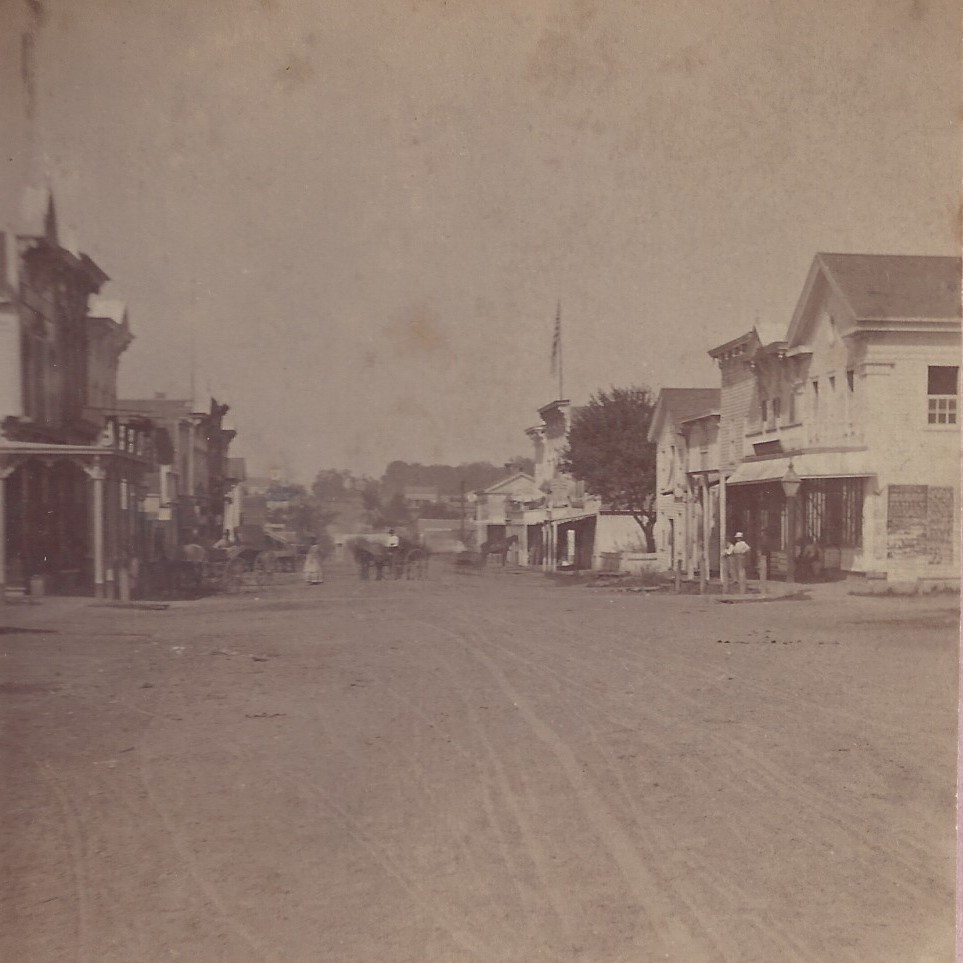
1939 in the Village of Flushing, Michigan
1939 in the Village of Flushing, Michigan
1939 was a pivotal year for the Village of Flushing, Michigan, marked by the launch and progression of a major federally-assisted waterworks improvement project, significant municipal governance activity, and community engagement on local issues. The Village Council oversaw the planning, bidding, and construction of a new water treatment plant, navigated federal grant requirements, and addressed a range of administrative and civic matters.
Municipal Officials
| Position | Name |
|---|---|
| Village President | Harley J. Parkhurst |
| Village Clerk | William E. Beebe |
| Village Treasurer | Earl P. Luce |
| Fire Chief | Claud B. Wood |
| Assistant Fire Chief | J.A. Gardner |
| Superintendent of Street and Water | James C. Stout |
| Day Police | James C. Stout, H.D. Armstrong |
| Night Watch | George Nickerson |
| Trustees | Bernard P. Bueche, William J. Everett, Frank W. Hertrich, George C. Roof, Frank A. Niles, Clyde A. Jessop |
Waterworks Improvement Project
The most significant undertaking in 1939 was the implementation of the waterworks improvement project, funded in part by the Public Works Administration (PWA) under Docket No. 1776-F (Michigan). The project included:
Extension of water distribution mains (Contract No. 1) Construction of a new water softening and treatment plant (Contract No. 2) Installation of softening and iron removal equipment (Contract No. 3)
Bidding and Contracts
On May 5, 1939, the Village Council opened bids for Contracts No. 2 and No. 3. Contract No. 2 was awarded to Furton Brothers Engineering & Construction Co. for $7,942.50. Contract No. 3 received a single bid from the Permutit Company of New York for $14,973.00. Due to PWA concerns over the single bid and the proposed use of automated equipment, approval of Contract No. 3 was delayed. Negotiations with PWA ensued, eventually resulting in approval to proceed.
Construction and Delays
Construction of the treatment plant began in June 1939. Delays occurred due to PWA’s initial disapproval of Contract No. 3 and later due to equipment delivery issues. The Council requested and received deadline extensions from the PWA, first to August 15 and later to December 15, 1939. By year’s end:
The water tower was rehabilitated. Water mains were operational. The treatment plant building was completed. Equipment installation was underway.
Administrative Actions
Elections and Appointments
The March 1939 election reaffirmed Harley J. Parkhurst as Village President and William E. Beebe as Clerk. Earl P. Luce continued as Treasurer. Trustees elected or re-elected included Bernard Bueche, William J. Everett, Frank A. Niles, and Clyde A. Jessop. Standing committees were appointed, and key officials retained their posts. Claud B. Wood continued as Fire Chief for his 32nd year, with J.A. Gardner as Assistant Chief.
Budget and Finance
The Council approved a 1939 tax rate of 15.5 mills, allocated to:
Contingent Fund Street Fund Band Fund (1 mill)
The Peoples State Bank of Flushing was designated as the depository for village funds. The Council managed bond payments and maintained a stable financial position.
Ordinances and Infrastructure
A new ordinance mandated parallel parking on East Main Street. A police and information booth was constructed at Main and Maple Streets. The Council opposed proposed state legislation to impose a sales tax on utilities. The Council negotiated a $1,000 agreement with the Genesee County Drain Commissioner for wastewater discharge from the new plant into the Boman Drain.
Community Engagement
Petitions and Public Concerns
Residents petitioned for paving North Saginaw Street due to dust from traffic. The Council applied calcium chloride for dust control but deferred paving. A petition was submitted to eliminate the 1-mill band tax. The Council agreed to place the issue on the 1940 ballot. A nuisance complaint regarding dogs on Mill Street led to enforcement of local ordinances. Residents of Boman Street petitioned for drainage improvements due to cesspool overflow. The issue was referred to the Sanitary Committee.
Departmental Reports
Monthly reports were provided by:
James C. Stout (Street and Water Superintendent) – covering road maintenance, snow removal, and water system operations. George Nickerson (Night Watchman) – reporting on public safety and ordinance enforcement.
Legacy
The waterworks project, despite delays, was substantially completed by the end of 1939. The new infrastructure modernized Flushing’s water supply, providing softened and filtered water and expanded capacity. The year’s accomplishments laid the groundwork for improved public health and municipal services on the eve of World War II.