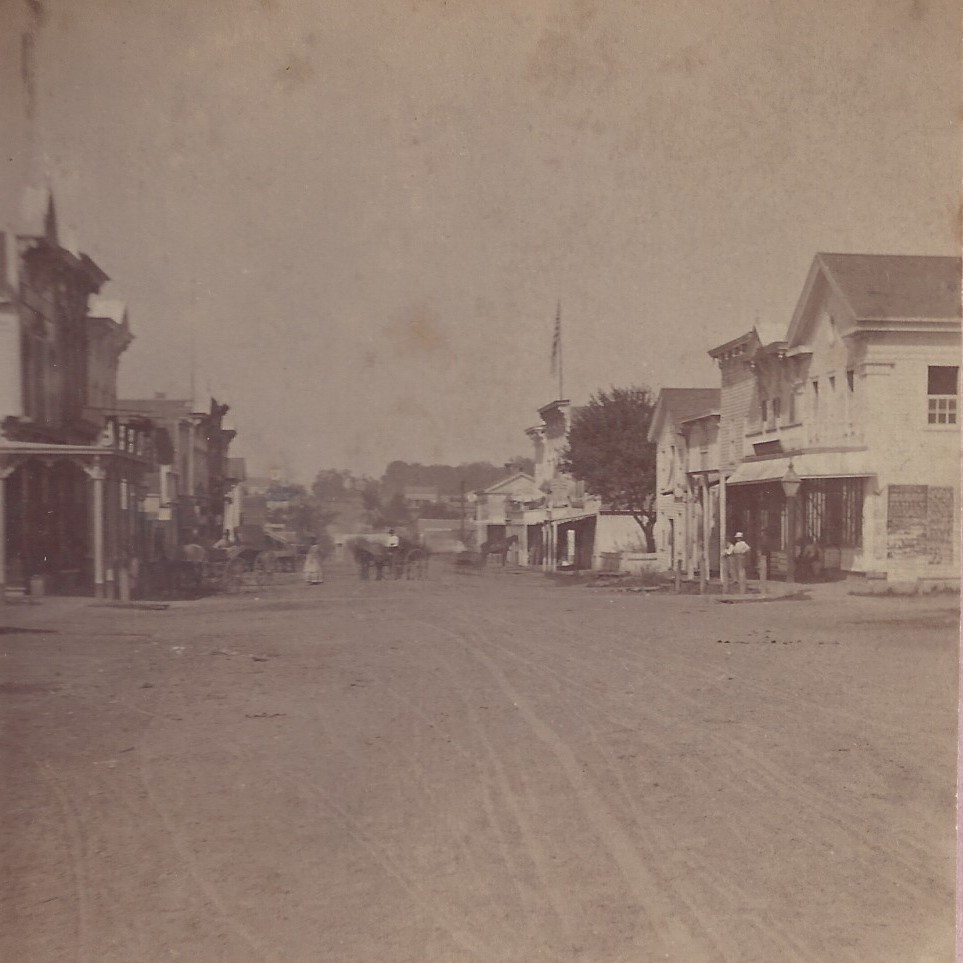
1942 in the Village of Flushing, Michigan
1942 in the Village of Flushing, Michigan
1942 was a year of transition and wartime adjustment for the Village of Flushing. The municipal government saw a change in leadership, continued improvements to infrastructure (notably fine-tuning its new water system), and the beginnings of civil defense preparations due to World War II. The Village Council addressed routine governance—elections, budgeting, ordinances—while also engaging with community concerns like nuisance abatement and future sewer planning. Below is a summary of Flushing’s municipal activities in 1942, organized chronologically and by topic.
Municipal Officials
| Position | Name |
|---|---|
| Village President | Bryce A. Miller |
| Village Clerk | Raymond T. Scafe |
| Village Treasurer | Earl P. Luce |
| Fire Chief | Claud B. Wood |
| Assistant Fire Chief | J.A. Gardner |
| Street & Water Superintendent | Carl R. Leland |
| Day Police (Marshal) | Harry D. Armstrong |
| Night Police (Watchman) | Kenneth E. Young |
| Trustees | Kenneth R. Bailey, Glenn C. Way, Harold C. Johnson, Clyde A. Jessop, Marion B. Fenner, Floyd R. Fults |
Leadership Changes and Administration
Elections: The March 9, 1942 village election brought a new Village President. Longtime president Harley J. Parkhurst did not seek reelection; Dr. Bryce A. Miller was elected Village President and took office mid-March. The Clerk and Treasurer positions remained steady – William E. Beebe served as Clerk through early 1942, then resigned and was succeeded by Raymond “Ted” Scafe as the new Village Clerk in April. Treasurer Earl Luce continued in office. Six trustees served on the Council in 1942. Coming into the year, trustees were Bernard Bueche, Harold (“Pete”) Johnson, Frank Hertrich, Floyd Fults, Clyde Jessop, and Edwin Dalton. The March election saw Edwin P. Dalton and Frank W. Hertrich replaced by newcomers Glenn C. Way and Marion B. Fenner. In May, Trustee Bernard P. Bueche resigned; in June the Council appointed Kenneth R. Bailey to fill that vacancy. By mid-1942, the Council consisted of President Miller and Trustees Bailey, Johnson, Jessop, Fenner, Fults, and Way. Meetings: The Village Council met regularly (typically the first Monday of each month) and kept detailed minutes. Vice-president (President pro tem) duties rotated; for example, Trustee Way often chaired meetings in Miller’s absence. The Council canvassed the March election results on March 12, 1942, swearing in the new officials. At that meeting, they also appointed the Election Board for the next year (W.J. Short, Frank A. Niles, Mrs. Carrie Robb, Mrs. John King, and Oscar Stevens, with Pearl Fox as alternate) and selected Trustee Bueche (later Bailey) as President pro tem. The Council reappointed Claud B. Wood as Fire Chief (serving since 1909) with J.A. Gardner as Assistant Chief. Carl R. Leland was reaffirmed as Street Commissioner and acting Superintendent of the Water Department (taking on many duties from James C. Stout, who shifted fully to police and clerical roles). The Police Department underwent change: Harry D. Armstrong continued as town Marshal (day police), while Russell A. Logan was night watchman in early 1942; in June, the Council hired Kenneth E. Young as the new full-time Village Marshal, and Young assumed night patrol duties thereafter, allowing Armstrong to focus more on daytime enforcement and other tasks. Finances and Taxation: On June 11, 1942, the Council reviewed and approved the annual tax roll after the Board of Review finalized property assessments. The total assessed valuation was reported as $1,131,100 (about $1.018 million real estate and $113,500 personal property). The 1942 tax rate was set at 17.0 mills (the same as 1941), divided into 7.0 mills for the General/Contingent Fund, 6.5 mills for the Street Fund, and 3.5 mills for Bond & Interest. This levy was expected to raise approximately $19,230 in revenue. The Council adopted a balanced budget based on this rate, anticipating routine expenditures and debt service. To manage cash flow before summer taxes arrived, the Council passed a resolution on April 6, 1942, to borrow $3,000 in tax anticipation notes (per Act 26 of 1935). This short-term loan was obtained through the State Loan Board and was equal to roughly 16% of the previous year’s levy (well within the allowed 60%). The notes were set to mature by the end of the fiscal year and were repaid with collected taxes in the fall. By September, Treasurer Luce reported strong tax collections, and the village ended 1942 in stable financial condition despite wartime pressures. Notably, 1942 was the first year without a dedicated “band tax” levy (a 0.5 mill tax for the village band), since voters had repealed it in 1940. The civic band continued through community support, but the village no longer provided tax-based funding.
Waterworks System and Utilities
Having completed a comprehensive waterworks improvement in 1940, the Council in 1942 focused on operating and maintaining the new system efficiently. Early in the year they opened bids for water treatment supplies and maintenance needs:
In January 1942, the Council awarded a contract to the Michigan Salt Company for the village’s annual bulk salt supply: approximately 250 tons of water-softener salt at $7.75/ton, delivered into the water plant’s storage bin. This large order ensured the zeolite softening plant had enough salt for regenerating its filters throughout the year. The Council also purchased other treatment chemicals in bulk, such as caustic soda from Sanitary Supply Co. and potassium permanganate from Carus Chemical Co., to keep the water purification process running smoothly. Routine expenses like electric power for pumps and heat for the plant were paid monthly to Consumers Power and Standard Oil, respectively. In the spring, the Council authorized needed repairs to equipment – for example, ordering new flow-meter charts from Republic Flow Meter Co. and spare valves and parts from Smolensky and Mueller companies. Water Meter Policy: In July, responding to federal guidance to improve utility revenues, the Council passed a resolution to change water meter reading from semiannual to quarterly. This took effect immediately, meaning residents would be billed every three months, allowing the village to detect leaks and delinquencies sooner. At the same time, the water meter security deposit for new installations was increased from $2.50 to $5.00, to cover the higher cost of meters (metal prices had risen due to war demand). These policy changes were publicly announced so customers could prepare for more frequent bills and the stricter deposit requirement. Delinquent Accounts: In June, under Office of Price Administration (OPA) rules discouraging creditor leniency, the Council adopted a firm stance on late water bills. A notice was published (and mailed with bills) stating that any water bill over 30 days past due would result in service disconnection, unless the customer arranged a payment plan with the village. This was a shift from previous practice, and by July a number of long-overdue accounts were brought current as residents heeded the warning.
Throughout 1942, Carl R. Leland (Superintendent of the Water Department) gave monthly reports to the Council. These indicated that the water treatment plant was functioning well, delivering an ample supply of softened, iron-free water. The village pumped and treated an average of 4 to 5 million gallons per month. Minor issues were addressed promptly – for instance, replacing a few malfunctioning residential meters and repairing a broken chlorine feed line in August. The Council continued to send water samples to the State Health Department for testing twice each month, ensuring the potable water met safety standards. The result was a marked improvement in water quality and pressure across Flushing: complaints about “red water” stains virtually disappeared, and the Fire Department reported much better hydrant flows for firefighting.
Streets, Sidewalks, and Sewer Projects
Street Maintenance: The Department of Public Works, under Street Commissioner Leland, carried out regular street maintenance in 1942. This included grading all unpaved roads each spring and fall, spreading new gravel where needed (purchased from local pits like Hansen Bros. and Crapo Gravel Co.), and applying calcium chloride for dust control on dry summer days. In February, the Council placed a blanket order with Dow Chemical for 22.5 tons of flake calcium chloride (at $21/ton) to stabilize dusty streets – particularly North Saginaw Street, a busy thoroughfare whose residents had petitioned for relief. Snow removal was another focus: the village owned one truck with a plow, but for heavy snowfalls they hired local contractors and farmers. In January, for example, the Council paid Merrill Bump to plow and haul snow from downtown after a blizzard. Sidewalks and Trees: The Council responded to a few sidewalk hazard complaints. In August, they agreed to partner with owners of the Masonic Temple and a Chevrolet garage on East Main Street to replace a stretch of crumbling sidewalk; the village provided labor and the owners paid for materials, per policy. The Council also instructed the DPW to trim back a large tree at Main and Maple (northwest corner) that was obscuring drivers’ views, and to remove an old wooden bench at its base where teens loitered. In Bonnie View (a new residential subdivision), residents petitioned for street signs at all intersections. In July, the Council approved installing wooden street-name signposts there, with painted cross-arms and creosote-treated bases to prevent rot. These were erected by the village crew in early August, improving navigation and postal service in that neighborhood. Paving Plans (Postponed): The Village had long-term plans to pave certain key streets with asphalt (“blacktop”). In 1942, attention focused on North Saginaw Street (from Coutant Street north to the village limit) and Chamberlain Street (connecting Main and Saginaw). In April, large property-owner petitions requested these improvements. The Council was supportive – recognizing the benefits of all-weather surfaces – and it worked up cost estimates with engineer G. E. Stork of Stork Engineering Co. The idea was to create special assessment districts for each street so that abutting landowners would bear 50% of the cost (spread over five years), while the village paid the other 50%. Public hearings were held on July 7, 1942, where residents could voice opinions; hearing no objections, the Council formally established Special Paving District No. 3 (North Saginaw St.) and District No. 4 (Chamberlain St.). The Genesee County Road Commission was consulted, and Flushing Township agreed to contribute towards Chamberlain since it formed the township line. However, when bids were solicited in August, no contractors submitted proposals, likely due to wartime restrictions on construction. In a meeting on August 3, 1942, the Council acknowledged the lack of bids and tabled the paving projects indefinitely. They resolved to preserve the engineering plans and re-advertise after the war, when labor and materials (like asphalt) would be available. In the meantime, the village continued interim measures: later that fall, they purchased several barrels of Tarvia asphalt emulsion from The Barrett Co. and applied this liquid tar to sections of East Main, Chamberlain, and other high-traffic gravel streets to bind dust and reduce maintenance. Storm Sewers and Drainage: Drainage issues received attention in 1942. During spring thaw and heavy rains, some areas experienced standing water. Residents on Oak Street complained of an overflowing storm sewer that backed up under one home’s basement. The Council had the DPW inspect that line (originally a private drain) and, finding it inadequate, they added it to the list of needed improvements. Similarly, on Lynn and Emily Streets in the northern end, recurrent flooding led the Council on June 1 to authorize installing about 250 feet of storm sewer with a catch-basin. This new 6-inch line was laid along East Emily Street at Lynn Street in July, solving a surface water problem there. Another small project was completed on Gerald Street (southwest part of the village). In June, the Council voted to extend an existing storm sewer westward on Gerald and concurrently to lay a short water main extension in that street to serve two new houses (the law allowed only up to 250 feet of village-funded extension without a special assessment). By August, these extensions were built: a catch basin and tile sewer were added on Gerald, and two homes were connected to the new 2-inch water main, improving services in that developing area. In general, the Council took a proactive stance on drainage: in June they directed that all village sewer outlets that emptied into the Flint River (which previously ended at the bank) be extended out into the river below water level. This measure, completed by the DPW in summer, prevented raw sewage or storm runoff from collecting on the riverbank and reduced odors – a public health step likely encouraged by state inspectors. Future Sewer System Planning: Even as they tackled minor drainage fixes, Flushing’s leaders kept an eye on the bigger goal of a comprehensive sanitary sewer system. On March 23, 1942, a special Council meeting was called by President Miller to discuss reviving plans for a village-wide sewer system and sewage treatment plant. These plans had first been drawn in the 1930s but shelved. Now, the Federal Works Agency’s “Post-War Reserve” program invited communities to submit projects for future funding. The Council reviewed an engineering summary indicating an estimated cost of $26,875 for a sewer network plus additional funds for a treatment plant, and a construction period of about 30 months. That night, the Council unanimously approved the sewer improvement summary and directed Clerk Scafe to forward it to the FWA and inquire about next steps. Flushing thus positioned itself to seek federal or state aid to build sewers once wartime restrictions eased. (Indeed, this groundwork eventually led to Flushing constructing a sewer system in the late 1940s.)
Law Enforcement and Ordinances
Traffic Ordinances: In 1941, the Council had worked on updating the village’s traffic code. Those efforts came to fruition in mid-1942. A completely revised set of traffic and vehicle ordinances (covering parking, speed limits, turn restrictions, etc.) was prepared with assistance from the Michigan Municipal League. The new code was given three readings: first in April, second in June, and the third in July 1942 after feedback from the League was incorporated. On July 18, 1942, the Council formally adopted the new Traffic Ordinance and set it to take effect 30 days later (mid-August). Key provisions included:
A 25 mph speed limit on all village streets unless posted otherwise. “No U-Turn” zones in the downtown business block of Main Street. The Council had two “No U-TURN” signs installed on Main Street (one in each direction in the center of the 100-block) attached to lampposts. Parallel parking on all streets (this had been informally observed since 1940 and was now codified). No double-parking anywhere; a “NO DOUBLE PARKING” sign was placed on Chamberlain Street near Johnson’s Produce, where delivery trucks had caused problems. Authority for the Marshal to ticket or remove vehicles violating parking rules or obstructing traffic.
To promote safety while the new ordinances took hold, the Council ordered additional signage. In September, two “No Parking Between These Signs” placards were placed on East Main Street at the entrance to the public parking lot and the Hi-Speed gas station, to keep that driveway clear. They also had Officer Young post “Justice Court” signs on the Village Hall (Community House) to direct citizens to the local court now that more traffic citations were expected. By October, enforcement was noticeably stricter: the Marshal began issuing warnings and tickets for illegal U-turns and parking, and reported much better driver compliance by year’s end. Night Watch and Police: Police staffing evolved due to wartime manpower changes. Through early 1942, Russell A. Logan served as Flushing’s Night Watchman (he gave the “night report” at council meetings in January and February). In June, the Council decided to consolidate law enforcement under a full-time marshal; they hired Kenneth E. Young, a 28-year-old former deputy, as the new Village Marshal at $40 per week. Young shadowed the current officers for a week in June (at $15 pay) and officially took over night patrol duties around July 1. Harry “Bud” Armstrong, who had been splitting time between day police and water plant operations, continued as a day police officer and was often referred to as “Officer Armstrong” or “Assistant Marshal.” With Young on board, the village had two paid officers for the first time, improving round-the-clock coverage. The Council provided young Marshal Young with needed equipment: for instance, they purchased a Sam Browne belt (police utility belt) from retired Officer George Keeler for $4, so Young could have a proper uniform set. The police focus in 1942 was largely on traffic enforcement and general security. There were few serious crimes reported. One notable incident was an aggressive dog biting a child in April, which brought citizens to the April 6 council meeting. In response, the dog ordinance (requiring dogs to be leashed or penned and licensed) was re-emphasized. Officer Armstrong was instructed to strictly enforce dog licenses and to humanely dispose of any stray or vicious dogs on the streets. The Council confirmed it was the on-duty officer’s responsibility to remove dead animals as well (resolving a question of who should pick up carcasses). Liquor and Nuisance Issues: A major community controversy in 1942 was the operation of Flushing Valley Gardens, a tavern/dance hall on East Pierson Road just east of the village. Neighbors complained of loud noise, fights, and late-night disturbances emanating from the establishment. In May, resident Cecil Blackmore presented a petition with many signatures calling the tavern “a public nuisance.” On May 4, 1942, the Council voted unanimously to declare Flushing Valley Gardens a nuisance detrimental to the community. They directed the village clerk to notify the Michigan Liquor Control Commission (LCC) of this and urge revocation of the tavern’s liquor license. This was an extraordinary step, as Flushing had never before asked the LCC to close a licensed establishment. The tavern’s owner at the time, L.H. Flintoff (who had just taken over from the previous proprietor, C.R. Jeffries, in April), was informed of the complaints and the Council’s action. Over the summer, the situation modestly improved under Flintoff’s management – at least sufficiently that in August the Council tabled further local action “pending LCC review.” Essentially, they handed the matter to state authorities; the LCC eventually scheduled a hearing on the license. The incident showed the Council’s willingness to intervene decisively on quality-of-life issues for residents. (By 1943, the license was indeed revoked, and the roadhouse ceased liquor operations.) Community Relations: The Council dealt with a variety of citizen requests in 1942:
In August, three residents from the Schroeder Plot (a new subdivision in southeast Flushing) asked the Council to extend the sanitary sewer down their street so they could tap in. Because of costs and the war, the Council had to deny immediate action, tabling it “until financially able” – effectively postponing it to the post-war sewer project. A unique request came from Mrs. Robert Ransom in August: she sought permission to build a decorative stone flower garden on the narrow strip of village-owned lawn between her house at 311 E. Main Street and the sidewalk. The Council debated this twice. Some members supported it if the County Road Commission (which had jurisdiction over Main Street) approved; others worried it would set a precedent. The first vote tied 3-3; President Miller broke the tie by voting no, so the motion failed. Mrs. Ransom was politely told not to proceed (though wartime shortages of labor likely would have stalled it anyway). The Flushing Community House (village hall) was offered for various civic uses. The Council granted the local Victory Garden committee space for meetings and approved the Red Cross using the basement for sewing surgical dressings. In October, the Council created a new rental fee schedule for private events in the auditorium (raising rates modestly to cover increased heating costs), while continuing to allow groups like the Boy Scouts and 4-H to use it for free.
Wartime Measures and Civilian Defense
As 1942 progressed, the impact of the Second World War on village life became more pronounced. While Flushing was far from defense industries, its residents faced rationing and occasional civil defense drills:
Resource Conservation: The Council closely monitored fuel and rubber usage. In November, due to a critical coal shortage statewide, they petitioned Michigan’s fuel coordinator for extra allocations to ensure the village had enough coal to heat the water plant, fire hall, and Community House through the winter. They also urged residents via the Flushing Observer to conserve coal and share rides to save gasoline. The village implemented a “Victory Speed” of 35 mph on outlying roads in line with federal recommendations to save tires and fuel. Village trucks and the police car operated under strict maintenance schedules to extend their life; the Council deferred buying a hoped-for second dump truck because none were available during war production. Civilian Defense: In December 1942, the Council established a Local Defense Council (though not called that formally). President Miller appointed four councilmen – Harold Johnson, Edwin Dalton, Floyd Fults, and Clyde Jessop – as a special committee to coordinate Civilian Defense programs in Flushing. Their tasks included organizing air-raid wardens, arranging blackout practices, and setting up an emergency first aid post. Earlier in June, telephone company officials had met with the Council to discuss installing additional sirens or using telephone warning trees for air raids. By fall, the village had developed a rudimentary warning system: the fire siren atop Village Hall would serve double-duty as an air-raid alarm (with a special signal pattern distinct from fire calls). The Council ordered blackout curtains for the windows of essential buildings (the water plant and Village Hall) and ensured that the volunteer firemen and auxiliary police were prepared to assist in nighttime drills. While a full blackout of Flushing was not tested in 1942, these preparations meant the village was ready when statewide drills began the following year. Personnel and the Draft: Several younger village employees left for military service in 1942. Notably, Night Watchman Russell Logan joined the Army in July, prompting the hiring of Ken Young as mentioned. The Council kept positions for draftees open should they return – a resolution was passed to re-employ any village worker after honorable discharge. By year’s end, about a dozen Flushing men from the fire department and other roles were serving overseas.
Emergency Services: The Flushing Fire Department, all-volunteer, adjusted to wartime as well. Gasoline and tire rationing affected them, but the Council arranged priority fuel access for the fire truck. In October, Chief Wood acquired a surplus hand pumper and 500 feet of hose from the federal Office of Civil Defense, which were stored as backup in case of a major fire or if the motorized pumper failed. The department held weekly evening fire drills focusing on pump operation and maneuvers in darkness (blending civil defense training with firefighting). By December 1942, Flushing’s village government had proven adaptable and resilient. They kept up village improvements and services in the face of resource shortages and staffing changes. Looking back on the year in their final 1942 meeting (Dec 7), the Councilors noted with pride that essential services never faltered: the water flowed pure, the streets were maintained, and the village’s finances were intact. As President Miller and his colleagues prepared the village for 1943, they did so knowing a solid foundation had been laid – one that would help Flushing weather the war years and be ready to resume development (streets, sewers, and more) once peace returned.