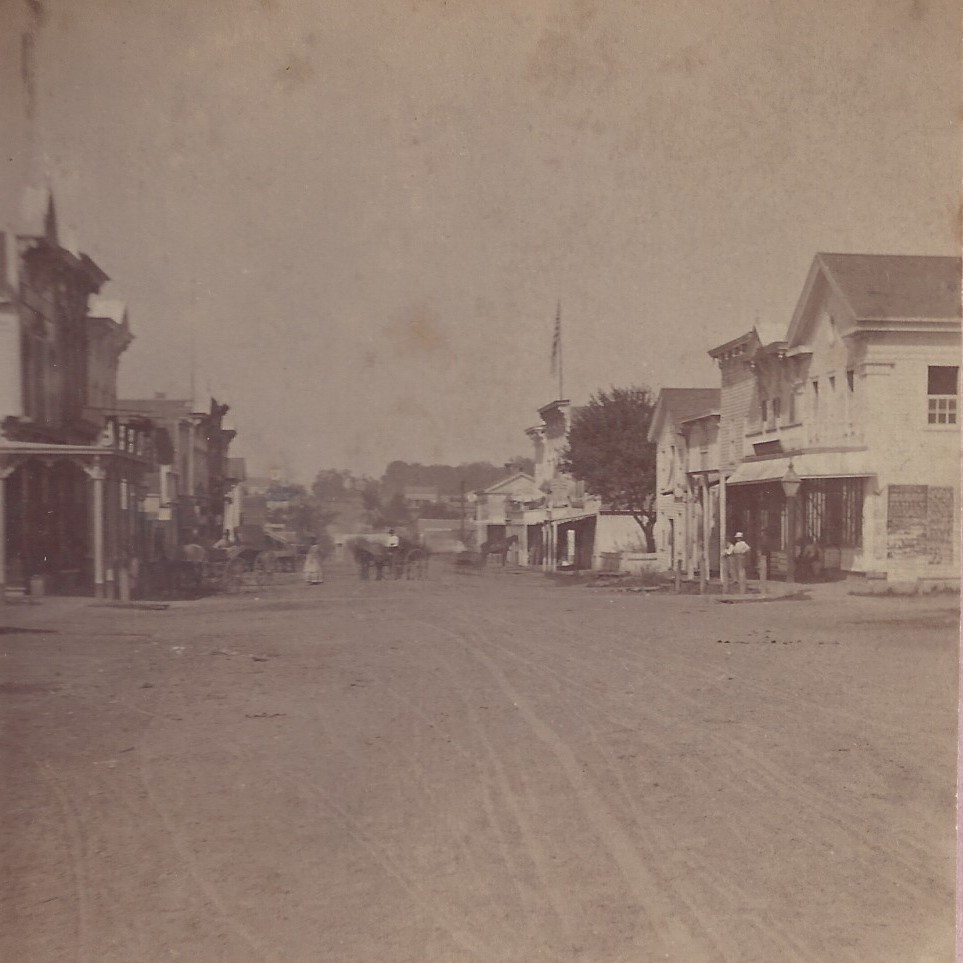
1943 in the Village of Flushing, Michigan
1943 in the Village of Flushing, Michigan
1943 was a pivotal wartime year for the Village of Flushing, Michigan, characterized by significant municipal improvements, wartime adaptations, and active civic engagement. The Village Council balanced wartime constraints with forward-looking infrastructure planning, including the revival of long-delayed sewer system proposals, implementation of youth curfew ordinances, and expanded public safety measures. Despite material shortages and personnel challenges due to World War II, Flushing maintained essential services while laying groundwork for post-war development.
Municipal Officials
| Position | Name |
|---|---|
| Village President | Bryce A. Miller |
| Village Clerk | Raymond T. Scafe |
| Village Treasurer | Harlan W. Dyball |
| Fire Chief | Claud B. Wood |
| Assistant Fire Chief | Ellis Bristol |
| Street & Water Superintendent | Carl R. Leland |
| Day Police (Marshal) | Harry D. Armstrong |
| Night Police (Watchman) | Joseph Peska (hired Nov. 1943) |
| Trustees | Kenneth R. Bailey, Glenn C. Way, Harold C. Johnson, Clyde A. Jessop, Marion B. Fenner, Floyd R. Fults |
Administrative Leadership and Elections
President Bryce A. Miller continued to lead the Village Council through 1943, maintaining stability during wartime. The March election saw re-election of key officials including Clerk Raymond T. Scafe, while Earl P. Luce continued as Treasurer early in the year before being succeeded by Harlan W. "Pete" Dyball. The six-member Council comprised Trustees Kenneth Bailey, Harold "Pete" Johnson, Clyde Jessop, Marion Fenner, Floyd Fults, and Glenn Way, who worked collaboratively on committees overseeing Water, Streets, Finance, Sanitary (sewers), Fire, Police, and other village functions. Fire Chief Claud B. Wood was reappointed to his 32nd consecutive year of service, with Ellis Bristol serving as Assistant Fire Chief. The Council reorganized public safety staffing during the year: Harry Armstrong continued as day Marshal while the night watchman position saw transition. Kenneth Young, who had served as night officer through early 1943, resigned mid-year. After several months of coverage by part-time auxiliaries, the Council hired Joseph Peska as the new full-time Village Marshal (night police) in November 1943, improving law enforcement capacity.
Budget and Financial Management
The Council set the 1943 tax rate at 17 mills, maintaining the previous year's levy. This was apportioned as 7.0 mills for the General Fund (raising approximately $7,818), 6.5 mills for the Street Fund ($7,260), and 3.5 mills for Bond & Interest ($3,909). The total assessed village property valuation stood at $1,116,600, generating roughly $19,000 in annual revenue. To manage seasonal cash flow before summer tax collections, the Council again authorized a $3,000 tax anticipation loan through the State Loan Board, which was repaid on schedule by fall. Tax collections in 1943 were strong, with over 97% of levied taxes collected by year's end, demonstrating community fiscal stability despite wartime economic pressures. The Council maintained conservative spending throughout 1943. They declined to fund certain non-essential items (such as commemorative plaques or luxury purchases) while prioritizing infrastructure maintenance and essential services. Employee wages were adjusted to reflect wartime inflation: in June, the Council raised base pay for street and water laborers to $0.50 per hour and standardized the workweek at 48 hours. Marshal Armstrong's monthly salary was increased to $100 to retain his services amid competition from defense industries.
Waterworks Operations and Improvements
The water treatment plant continued efficient operation in its third full year of service. The Council secured bulk supplies early in the year: in January they awarded Michigan Salt Company a contract for 250 tons of softener salt at $7.30 per ton, ensuring uninterrupted operation of the zeolite softening system. Additional chemicals including chlorine, caustic soda, and potassium permanganate were purchased throughout the year to maintain water quality. Water Department Superintendent Carl Leland reported monthly on system performance. The village pumped an average of 4.5 million gallons per month, with water loss (leakage) typically around 8-10% of production—a reasonable figure for the era. The Council addressed several infrastructure needs: they purchased 50 new residential water meters from Pittsburgh Equitable Meter Company to replace aging units, installed two new fire hydrants to improve fire protection, and repaired several main breaks and service line leaks. Water quality testing continued bimonthly through the Michigan Department of Health, consistently showing that the treated water met all safety standards. In July 1943, the Council installed a cathodic protection system (marketed as "Rustop") on the village's elevated water tower at a cost of $441 plus a $36 annual maintenance fee. This electrochemical rust-prevention system extended the tower's service life and reduced internal corrosion that had previously caused water discoloration. The tower was also repainted with "FLUSHING" stenciled on its side for aircraft identification.
Infrastructure Projects and Street Improvements
Despite wartime material shortages, the Council pursued infrastructure planning. The most significant initiative was reviving the long-delayed sanitary sewer system project. In February and April 1943, the Council met with engineers from Pate & Hirn (Detroit) to update sewer plans originally drafted in the 1930s. On April 17, 1943, the Council unanimously authorized spending $2,240 on updated engineering plans for trunk sewer lines and a future sewage treatment plant. Recognizing that wartime construction was impractical, they positioned this work for post-war implementation by applying for state planning grants under Michigan's post-war infrastructure program. By year's end, detailed sewer plans were 50% complete, with the state agreeing to reimburse half the engineering costs. Street maintenance continued despite equipment and fuel constraints. The Department of Public Works graded unpaved roads regularly, spread calcium chloride for dust control (ordering 22.5 tons at $21 per ton from Dow Chemical in February), and applied Tarvia asphalt to high-traffic gravel streets. Winter snow removal was extensive: the DPW reported plowing over 200 miles of streets after record snowfalls in early 1943. The Council commended the street crew for their efforts and authorized overtime pay for emergency snow clearing. Paving projects for North Saginaw and Chamberlain Streets, planned in 1942, remained postponed due to lack of contractors and wartime restrictions on non-essential construction. However, the Council kept engineering plans current and special assessment districts active, ready to proceed when conditions allowed.
Public Safety and Law Enforcement
The Police Department underwent significant reorganization in 1943. Town Marshal Harry Armstrong continued day patrol and enforcement duties while also supervising the water plant operations. Night police coverage was maintained through most of the year by Kenneth Young, who resigned in mid-1943 for personal reasons. The Council temporarily used auxiliary police volunteers (paid hourly) before hiring Joseph Peska as full-time Night Watchman/Marshal in November at $50 per week. This two-officer structure provided round-the-clock coverage, addressing concerns about juvenile delinquency and wartime security. Traffic enforcement intensified under the new traffic ordinance adopted in 1942. Officers issued numerous citations for speeding, illegal parking, and U-turns in the downtown business district. Fine revenues exceeded $1,100 in the first half of 1943, partially offsetting police operating costs. The Council supported enforcement by installing additional signage: "No U-Turn" signs on Main Street, "Stop" signs at key intersections, and "Village Speed Limit 25 MPH" signs at village entrances.
Youth Curfew Ordinance
Responding to public concern about unsupervised youth and wartime social disruption, the Council enacted a landmark curfew ordinance. After three readings in September and October 1943, the Council unanimously adopted Ordinance No. 52 on October 2, 1943, establishing a 10:00 PM curfew for minors under age 17. The ordinance made it unlawful for unaccompanied children to be in public places between 10 PM and 6 AM unless traveling to or from lawful employment or an authorized activity. Parents who knowingly permitted violations faced fines up to $100 or 90 days in jail. The Council declared the curfew an emergency measure "imperative to preserve public peace, safety, health, morals and welfare" during wartime conditions when many parents worked night shifts in defense plants. The ordinance took effect October 22, 1943, and was widely supported by residents and civic groups. Concurrent with the curfew, the Council authorized continued use of the Community House basement auditorium for supervised Saturday night teen dances. The Flushing Youth Council organized these events with adult chaperones, providing constructive recreation as an alternative to unsupervised street activity.
Fire Department and Emergency Services
Fire Chief Claud Wood and the volunteer fire department maintained readiness despite wartime challenges. The Council adjusted compensation for firefighters in June 1943, establishing a new pay scale: $5 per call for the Chief, $4 for the Assistant Chief, and $3 per firefighter for in-village fires. For township fire calls, a crew of six would respond at these rates while up to four standby firefighters remained in the village at $1 each, capping costs at $24 per out-of-village incident. The department responded to approximately 16 fires within the village in 1943 (mostly minor structure fires, grass fires, and chimney fires) and assisted with several township calls. The Council supported the department by purchasing new equipment: six firefighter coats and boots were acquired in September for $144 total, along with ladders, ropes, and a rotary warning light for the fire truck. The department also joined the Michigan State Firemen's Association, with the Council paying $12 in dues and sending delegates to the annual convention for training. Negotiations continued with Flushing Township for a formal fire protection contract. By year's end, terms were nearly finalized for the township to pay $1,500 annually for fire coverage outside village limits, with the agreement to be formalized in 1944.
Wartime Measures and Civil Defense
Wartime conditions significantly affected village operations in 1943. The Council implemented several measures to support the war effort and manage shortages: Coal Crisis: In November, Michigan faced a critical coal shortage. President Miller and the Council telegraphed U.S. Senator Arthur Vandenberg and Congressman Roy Woodruff seeking emergency fuel allocations. Their intervention succeeded, and the Michigan Solid Fuels Coordinator arranged an emergency coal shipment to Flushing in late November. The Council urged residents to drastically reduce heating by consolidating activities and sharing spaces, helping the community weather the shortage without losing essential services. Victory Tax Withholding: On January 5, 1943, the Council adopted an ordinance implementing federal "Victory Tax" withholding from employee wages. The Village Clerk was directed to deduct 5% from payrolls and remit it to the U.S. Treasury, bringing Flushing into compliance with the Revenue Act of 1942's wartime tax requirements. Civilian Defense: The Council formalized civil defense organization by establishing an Auxiliary Police force with deputized volunteers to assist during air-raid drills and emergencies. Blackout procedures were practiced, and the fire siren was designated as the air-raid warning signal. The Council coordinated with Genesee County civil defense authorities and participated in statewide preparedness exercises. Victory Gardens: The Council allocated vacant village-owned lots for community victory gardens, allowing residents to grow vegetables to supplement rationed food supplies. Village equipment was used to plow these plots in spring, and the War Rationing Liaison (Trustee Marion Bailey) coordinated fertilizer distribution.
Community Engagement and Public Concerns
The Council remained responsive to citizen needs throughout 1943: Liquor License Regulation: Following 1942's controversy over the Flushing Valley Gardens tavern, the Council continued monitoring liquor establishments. In October 1943, they approved a new taxi fare ordinance regulating local cab service, setting maximum rates at 35¢ per person for trips under one mile and 25¢ for the first mile plus 15¢ per additional mile for longer trips. This protected riders from overcharges while keeping taxi service viable. Drainage and Flooding: Residents on East Elm Street and Oak Street continued to petition for storm sewer improvements to address recurrent basement flooding. The Council promised these issues would be incorporated into the forthcoming comprehensive sewer system, though immediate relief was limited by wartime restrictions. Interim measures included cleaning catch basins and extending some sewer outlets. Fire Protection Requests: Flushing Township Farm Bureau representatives met with the Council in February to formalize fire service arrangements. The resulting negotiations led to the township fire contract framework that would be implemented in 1944. Veterans of Foreign Wars: On April 1, 1943, the Council unanimously granted VFW Post 5666 exclusive rights to sell Memorial Day "Buddy Poppies" in the village as a fundraiser for veterans' causes, demonstrating support for military families during wartime.
Year-End Assessment
By December 1943, Flushing had successfully maintained essential services throughout a challenging wartime year. The water system operated flawlessly, streets were kept passable despite equipment constraints, and public safety was enhanced through the curfew ordinance and expanded policing. The revival of sewer planning positioned the village for major post-war infrastructure development. The Council's proactive response to the coal crisis, implementation of federal wartime requirements, and careful financial management demonstrated effective governance during a period of national emergency. As 1943 closed, Flushing stood ready to continue supporting the war effort while preparing for the peacetime development that would follow.