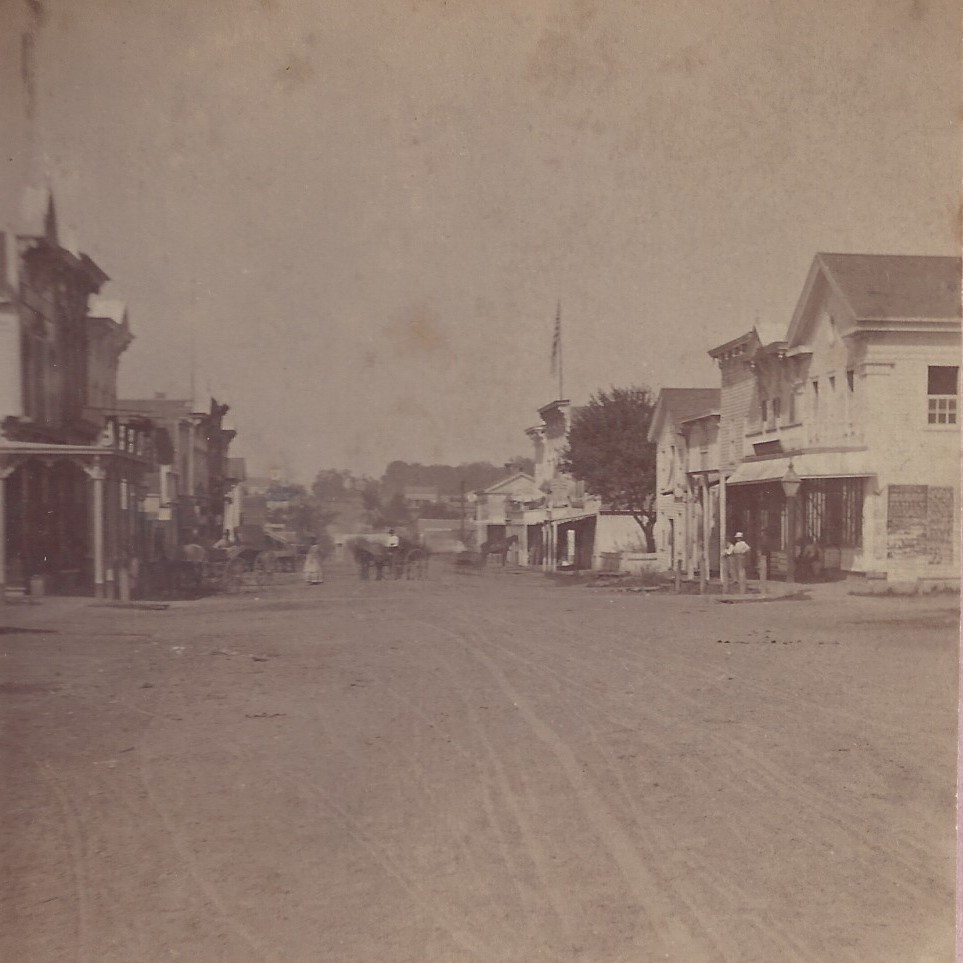
1944 in the Village of Flushing, Michigan
1944 in the Village of Flushing, Michigan
1944 marked a year of continued wartime adjustments and forward-looking planning for the Village of Flushing, Michigan. The Village Council maintained essential services despite material shortages, strengthened public safety through expanded law enforcement, and advanced plans for a comprehensive sewer system. The year saw significant ordinance updates, including a youth curfew law, substantial progress on post-war infrastructure planning, and careful fiscal management.
Municipal Officials
| Position | Name |
|---|---|
| Village President | Bryce A. Miller |
| Village Clerk | Raymond T. Scafe |
| Village Treasurer | Harlan W. Dyball |
| Fire Chief | Claud B. Wood |
| Assistant Fire Chief | Ellis Bristol |
| Street & Water Superintendent | Carl R. Leland |
| Day Police (Marshal) | Harry D. Armstrong |
| Night Police Officer | Joseph Peska (Jan–Jul) Kenneth E. Young (hired Jul) |
| Trustees | Bernard P. Bueche, William J. Everett, Frank W. Hertrich, George C. Roof, Clyde A. Jessop, Floyd R. Fults |
Leadership and Administrative Actions
President Bryce A. Miller continued to guide the Village Council through 1944, maintaining steady leadership during wartime. The March 13, 1944 village election returned all incumbents to office unopposed. President Miller, Clerk Raymond T. Scafe, Treasurer Harlan W. Dyball, and Assessor Claud B. Wood were all re-elected. Three trustee positions were filled: Bernard P. Bueche, William J. Everett, and Frank W. Hertrich won new two-year terms, joining holdover trustees George C. Roof, Clyde A. Jessop, and Floyd R. Fults on the six-member Council. At the organizational meeting following the election, President Miller reappointed key officials. Claud B. Wood continued as Fire Chief (his 33rd consecutive year), with Ellis Bristol as Assistant Fire Chief. Carl R. Leland remained as Street and Water Superintendent. The Council established standing committees covering Finance, Water, Streets, Sanitary (Sewers), Fire, Police, Buildings, and Licensing. A significant personnel change occurred in July when Night Watchman Joseph Peska resigned after serving since November 1943. The Council promptly rehired Kenneth E. Young, a former village marshal, to resume night police duties at $40 per week. This restored continuity to the two-officer police department, with Harry Armstrong handling day patrol and Young covering nights.
Budget and Fiscal Management
The Council set the 1944 tax rate at 17 mills in June, maintaining the previous year's levy. The millage was apportioned as 7.0 mills for the General Fund, 6.5 mills for the Street Fund, and 3.5 mills for Bond & Interest. With the village's total assessed property valuation at approximately $1,130,000, the levy generated about $19,230 in annual revenue. To ensure adequate operating funds before summer tax collections arrived, the Council again authorized a $3,000 tax anticipation loan through the Michigan Municipal Finance Commission Loan Board. This short-term borrowing, representing roughly 16% of the annual levy, bridged seasonal cash flow gaps and was repaid from tax receipts by fall. By year's end, tax collections exceeded 95%, demonstrating strong community fiscal compliance despite wartime economic pressures. The Council maintained conservative spending policies. When faced with unexpected expenses—such as emergency vehicle repairs or wartime supply price increases—they carefully evaluated each outlay against budget constraints. An October financial statement showed expenditures of $15,525 against a budgeted $15,400 through the first seven months, indicating tight fiscal control. Employee compensation was adjusted modestly: the Council maintained street and water labor wages at $0.50 per hour and confirmed salaries for key officials, including raising Night Watchman Young's weekly pay to $36 by December to retain his services amid competition from defense industries.
Waterworks System Operations
The water treatment plant entered its fifth year of successful operation. The Council secured essential supplies early in 1944: in January they purchased approximately 250 tons of water-softening salt from Michigan Salt Company at $7.05 per ton, along with treatment chemicals including chlorine, caustic soda, and soda ash from various suppliers. These bulk purchases ensured uninterrupted water softening and purification throughout the year. Superintendent Leland reported monthly on water production, which averaged 4 to 4.6 million gallons per month with water loss (leakage and unaccounted-for usage) typically between 8-10% of total pumpage. The relatively low loss rate reflected the good condition of the distribution system completed in 1940. The Council addressed maintenance needs promptly: in July they contracted Electro Rust-Proofing Corporation to maintain the cathodic protection system on the elevated water tower (at $441 for installation work and $36 annual service fee), extending the tower's service life by preventing internal corrosion. Water quality remained excellent. Samples sent to the Michigan Department of Health twice monthly consistently confirmed that treated water met all safety standards. The softening plant effectively removed iron and hardness, and residents continued to enjoy clear, softened water—a marked improvement over pre-1940 conditions. The Council also purchased 50 new water meters from Badger Meter Company to replace aging residential units and support new service connections in developing areas.
Sewer System Planning and Engineering
The most significant infrastructure initiative of 1944 was advancing plans for a comprehensive sanitary sewer system. Building on groundwork laid in 1943, the Council in April and May worked intensively with consulting engineers Pate & Hirn to finalize detailed plans for village-wide sewers and a sewage treatment plant. On April 17, 1944, the Council held a special meeting to review the updated engineering proposal. The plan envisioned main trunk sewers along key streets (Main, Cherry, Elm, Chamberlain, Hazelton) converging on a treatment facility near the Flint River. The estimated total project cost was $26,875 for the sewer network plus additional funds for the treatment plant, with an anticipated construction period of 30 months. Recognizing wartime construction restrictions, the Council positioned this as a post-war project and sought state assistance. On May 9, 1944, they unanimously passed a resolution applying to the Michigan Post-War Planning Commission for a planning grant under Act 57 of 1944. Under this program, the state would reimburse 50% of engineering costs if Flushing proceeded to construction after the war. The Council authorized spending $2,865 on detailed plans, specifications, and cost estimates. By August, the engineering work was substantially complete. In a special meeting on August 28, 1944, the Council met with A.B. Hirn of Pate & Hirn to review the finished plans. The Council formally accepted the work and submitted the completed project proposal to both the state Post-War Planning Commission and the Federal Works Agency's Post-War Reserve program. This proactive approach positioned Flushing to secure federal and state construction funding once wartime restrictions lifted. The state confirmed eligibility for the 50% engineering cost reimbursement ($1,432.50) by year's end.
Street Maintenance and Infrastructure
Despite wartime material shortages and equipment constraints, the Department of Public Works maintained village streets throughout 1944. Routine activities included grading unpaved roads, spreading gravel on deteriorating sections, and applying calcium chloride for dust suppression. The Council ordered 22.5 tons of calcium chloride from Dow Chemical Company early in the year at $21 per ton to control dust on heavily-traveled dirt roads like North Saginaw Street. Winter maintenance was extensive. The village's dump truck and tractor plowed and sanded streets after snowstorms, with the crew working overtime during severe weather. In January and February, the DPW cleared over 200 miles of village streets following record snowfalls, earning Council commendation for keeping roads passable. The Council continued planning for post-war street paving. The proposed paving of North Saginaw and Chamberlain Streets (delayed since 1942) remained on hold due to lack of contractors and wartime restrictions on non-defense construction. However, engineering plans and special assessment districts were kept current. The Council applied interim surface treatments: in late summer they purchased Tarvia (liquid asphalt) from The Barrett Company and sealed several blocks of gravel streets to stabilize surfaces and reduce maintenance. Minor infrastructure improvements proceeded where materials allowed. In September, the Council authorized installing cleanout ports on the Beatrice Street sewer line to facilitate maintenance, and they replaced broken catch basin covers on Main Street with new cast-iron units. They also extended storm sewer outlets into the Flint River below water level to prevent exposed discharge, addressing public health concerns.
Public Safety and Law Enforcement
The Police Department operated with expanded capacity in 1944. Marshal Harry Armstrong handled day patrol while Joseph Peska (and later Kenneth Young) covered nights, providing round-the-clock law enforcement for the first time in village history. This enhanced coverage addressed concerns about juvenile delinquency and general security during wartime when many fathers were away in military service. Traffic enforcement continued under the comprehensive traffic ordinance adopted in 1942. Officers issued citations for speeding, illegal parking, and traffic violations, generating over $1,100 in fine revenue during the year. The Council supported enforcement by maintaining and expanding signage, including stop signs at all cross-streets on Elm Street (installed in December 1944 to make Elm a through-street) and additional "No Parking" zones near fire hydrants and intersections. The Council addressed specific safety concerns as they arose. In April, after reports of an aggressive dog injuring a child, they instructed police to strictly enforce the dog control ordinance, requiring all dogs to be licensed, leashed, or confined. Officers were authorized to humanely dispose of stray or vicious dogs found at large. The department also assisted with wartime civil defense. Auxiliary police volunteers, under Marshal Armstrong's coordination, participated in blackout drills and air-raid practices. The fire siren atop the Community House served double duty as an air-raid warning signal.
Youth Curfew Ordinance Implementation
The youth curfew ordinance (Ordinance No. 52), adopted in October 1943, took full effect in 1944. The law prohibited minors under age 17 from being in public places between 10:00 PM and 6:00 AM unless accompanied by a parent or engaged in lawful employment. Parents who knowingly permitted violations faced fines up to $100 or 90 days in jail. The curfew proved effective in reducing late-night juvenile disturbances. Police reports indicated a notable decline in complaints about unsupervised youth, vandalism, and noise after dark. The Council attributed this success to both enforcement and the provision of supervised alternatives: the Community House basement auditorium continued to host Saturday night teen dances organized by the Flushing Youth Council with adult chaperones. By offering constructive recreation, the village reduced the appeal of unsupervised street activity. The ordinance enjoyed broad community support. No legal challenges were filed, and parents generally cooperated with the 10 PM limit. The Council viewed the curfew as a temporary wartime measure necessitated by social disruption, though it would remain in effect for several years.
Fire Department Operations
Fire Chief Claud Wood and the volunteer fire department maintained readiness throughout 1944. The department responded to approximately 15-20 fire calls within the village (mostly structure fires, chimney fires, and grass fires) and several township calls under mutual aid agreements. The Council continued the compensation structure adopted in 1943: $5 per call for the Chief, $4 for the Assistant Chief, and $3 per firefighter for village fires. For out-of-village calls, a crew of six responded at these rates while up to four standby firefighters remained in Flushing at $1 each. Equipment needs received attention despite wartime supply challenges. In September, the Council authorized purchasing firefighting supplies including new hoses and nozzles. They also approved sending Chief Wood and Assistant Chief Bristol to the Michigan State Firemen's Association convention for training. Fire Department expenses for 1944 totaled approximately $1,200, covered partly by the $1,500 annual fire protection fee from Flushing Township (formalized that year) and $900 from Clayton Township. The department continued planning for a new fire engine to replace the aging 1938 GMC pumper. Preliminary estimates put the cost of a modern pumper at approximately $6,446, but wartime restrictions on vehicle manufacturing postponed the purchase. The Council set aside funds in anticipation of ordering a new truck once civilian production resumed.
Wartime Measures and Resource Management
World War II's impact pervaded village operations in 1944. The Council implemented several measures to support the war effort and manage resource constraints: Coal and Fuel Management: Following the coal crisis of late 1943, the Council maintained vigilance over fuel supplies. They secured advance contracts for heating coal for village buildings and urged residents to conserve fuel through shared heating and reduced usage. The village participated in state and federal fuel allocation programs, ensuring adequate supplies for the water plant, fire hall, and Community House. Victory Tax and Federal Compliance: The Council continued withholding the federal "Victory Tax" (5% of wages) from employee paychecks, remitting these funds to the U.S. Treasury on schedule. This wartime payroll tax helped finance military operations. Equipment Priorities: Due to war production priorities, civilian goods were scarce. The Council deferred purchasing a hoped-for second dump truck and postponed replacing the police patrol car. They maintained existing equipment meticulously to extend service life. In December, they applied to the War Production Board for priority approval to purchase a new dump truck as soon as vehicle manufacturing for civilian purposes resumed, positioning the village to acquire equipment immediately after war's end. Victory Gardens and Civilian Support: The Council continued allocating village-owned vacant lots for victory gardens, allowing residents to grow vegetables to supplement rationed food. Village equipment plowed these plots in spring. The Council also supported war bond drives and scrap collection campaigns, though these activities were largely organized by civic groups rather than the village government directly.
Community Engagement and Public Concerns
The Council remained responsive to citizen needs and petitions throughout 1944: Drainage and Sewer Requests: Residents continued to petition for storm sewer improvements. Citizens on Oak Street renewed their request for sanitary sewer connections to address basement flooding. The Council acknowledged these needs and assured residents they were incorporated into the comprehensive sewer system plan for post-war construction. Interim relief came through regular catch basin cleaning and minor drainage improvements. Nuisance Abatement: The Council addressed various public nuisance complaints. In September, they responded to concerns about overflow from private cesspools on Boman Street by investigating drainage solutions and enforcing sanitary codes. They also dealt with complaints about unkempt properties and instructed the Street Department to cut weeds on neglected lots, billing property owners for the service. Community House Use: The village hall and community center remained a hub of civic activity. The Council allowed local organizations free use of the auditorium for war-related activities (Red Cross, War Bonds rallies, civil defense meetings) while charging modest rental fees for private events. In November, they adjusted the Community House management structure by creating a three-member commission to oversee day-to-day operations and rentals. Band Tax Referendum Results: The elimination of the village band tax (repealed by voters in 1940) remained in effect. The Flushing Community Band continued to perform through voluntary contributions and fundraising rather than tax support, demonstrating community commitment to cultural activities even without dedicated public funding.
Year-End Assessment and Looking Forward
By December 1944, the Village of Flushing had successfully navigated another challenging wartime year. Essential services operated without interruption: the water system delivered high-quality softened water, streets were maintained despite equipment limitations, and public safety was strengthened through expanded policing and the effective curfew ordinance. Most significantly, the completion of comprehensive sewer system plans positioned Flushing for major post-war infrastructure development. With engineering drawings finished and state/federal funding applications filed, the village was poised to begin construction as soon as wartime restrictions lifted. The careful fiscal management—maintaining balanced budgets, meeting debt obligations, and building modest reserves—ensured Flushing would have the financial capacity to undertake large projects in the coming peacetime era. The Council's forward-looking approach during wartime scarcity exemplified effective municipal governance. Rather than simply maintaining the status quo, village leaders invested in planning for future growth, knowing that the end of the war would bring opportunities for long-deferred improvements. As 1944 closed, Flushing stood ready to transition from wartime austerity to peacetime prosperity, with infrastructure plans in hand and a solid foundation for the development that would define the late 1940s.