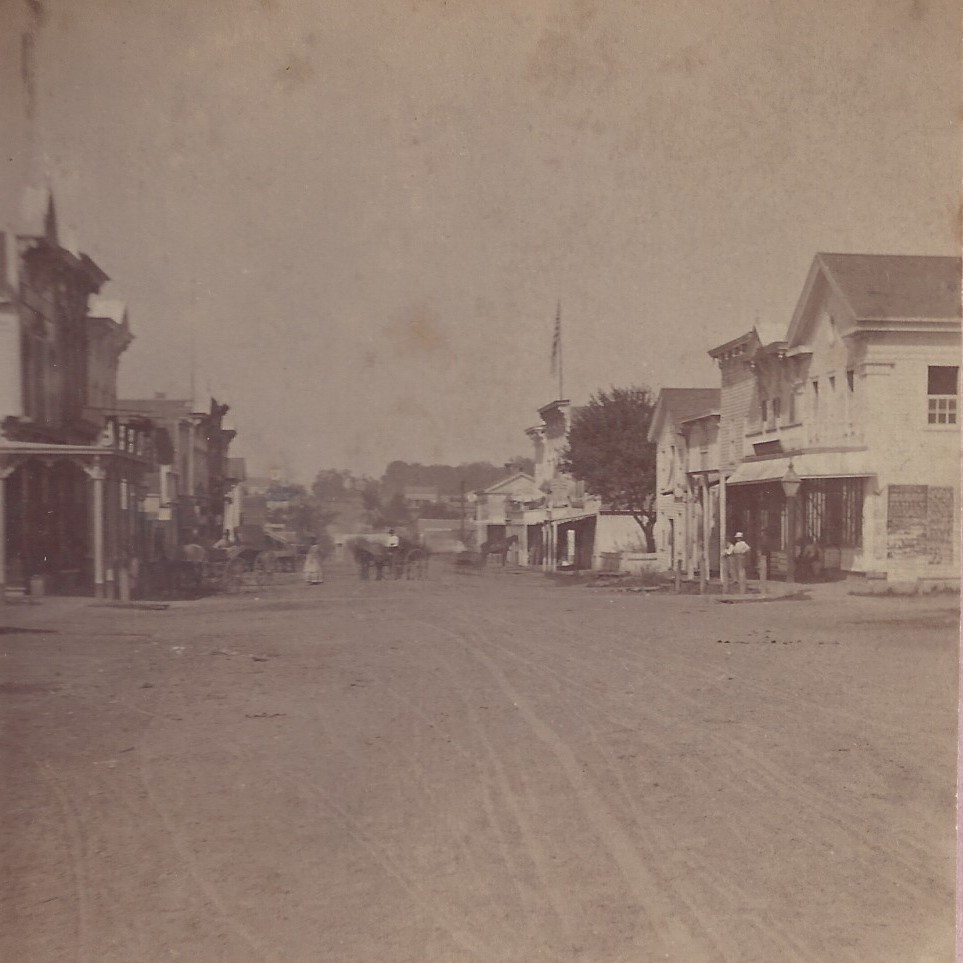
1946 in the Village of Flushing, Michigan
1946 in the Village of Flushing, Michigan
1946 marked a pivotal year of post-war transition and infrastructure advancement for the Village of Flushing, Michigan. The Village Council navigated the challenges of converting from wartime austerity to peacetime development, made substantial progress on the long-planned sanitary sewer system, modernized water treatment operations, and enacted significant ordinances affecting community development. The year saw administrative stabilization under professional village management, resolution of a major public nuisance case, expansion of the public library through philanthropic donation, and careful financial planning to support future capital improvements. Despite material shortages and labor constraints persisting from the war years, Flushing's government demonstrated vision and effectiveness in preparing for the growth that would define the late 1940s.
Municipal Officials
| Position | Name |
|---|---|
| Village President | Bryce A. Miller |
| Village Clerk | Joy D. Scott |
| Village Treasurer | Harlan W. Dyball |
| Village Superintendent/Manager | Fred W. Baker |
| Fire Chief | Claud B. Wood |
| Assistant Fire Chief | Ellis Bristol |
| Street & Water Superintendent | Robert A. Slone (from April) |
| Town Marshal (Day Police) | Joseph Peska (hired November) |
| Night Watchman | Carlton R. Browning |
| Trustees | Bernard P. Bueche, Edwin P. Dalton, E. Kimball Bailey, Clyde A. Jessop, William F. Boehm, Robert Gibbs |
Leadership and Administrative Changes
The March 11, 1946 village election brought modest changes to village leadership. President Bryce A. Miller was re-elected, as were Clerk Joy Scott and Treasurer Harlan Dyball. The Council composition shifted with new trustees joining: Edwin P. Dalton, E. Kimball Bailey, and William F. Boehm won seats, replacing outgoing members. The six-member Council also included Clyde Jessop, Robert Gibbs, and Bernard Bueche (who would resign mid-year). At the post-election organizational meeting, President Miller reappointed key officials. Claud B. Wood continued as Fire Chief (his 35th consecutive year) with Ellis Bristol as Assistant Fire Chief. The professional village management structure established in 1945 continued with Fred W. Baker serving as Village Superintendent/Manager, overseeing all village departments and operations. A significant administrative change occurred in April when the Council hired Robert A. Slone as the new Street and Water Superintendent at $250 per month on a six-month probationary basis. Slone, who had municipal experience from a neighboring community, quickly proved capable and assumed leadership of public works operations. His appointment freed Village Manager Baker to focus on overall administration, budgeting, and coordination with engineers on the sewer project. The police department underwent reorganization in 1946. Town Marshal Joseph Peska, who had served briefly in 1943-1944, was rehired in November 1946 as day police officer after a period of turnover. Carlton Browning continued as Night Watchman, providing overnight law enforcement coverage. By year's end, the Council had established a more stable two-officer structure that would continue into 1947.
Budget and Financial Management
The Council set the 1946 tax rate at 16 mills in June, a reduction from the previous year's 20 mills, demonstrating fiscal confidence as wartime debt was paid down. The levy was apportioned as 7.5 mills for the General Fund, 6.0 mills for the Street Fund, and 2.5 mills for Bond & Interest. With total assessed property valuation at approximately $1,099,800 (real property $994,500; personal property $105,300), this rate generated about $17,600 in annual revenue. The tax rate reduction reflected both the conclusion of certain bond obligations and the Council's awareness that major capital projects (particularly the sewer system) would soon require voter-approved bond issues rather than operating millage increases. President Miller explained at the June budget session that keeping current taxes moderate while planning for future bond referenda would be fiscally prudent. To manage seasonal cash flow before summer tax collections, the Council authorized a $3,000 tax anticipation loan in April, which was repaid from tax receipts by fall. By year's end, tax collection rates remained strong at approximately 97%, with only about $800 in delinquencies. Employee compensation continued to evolve. The Council approved wage increases throughout 1946 to retain qualified personnel amid competition from private industry in the booming post-war economy. Street and water laborers saw their base pay rise to competitive levels, and the Council confirmed that full-time employees received vacation benefits (one day per month of service, maximum 12 days annually). These adjustments helped Flushing maintain staffing stability during a period of high labor demand.
Sewer System Advancement and Federal Funding
The comprehensive sanitary sewer and sewage treatment plant project remained the Council's top infrastructure priority in 1946. Building on engineering plans completed in 1945, the Council on February 18, 1946 hosted a critical meeting with state and federal officials to advance the project. Representatives from the Michigan Department of Health, the Stream Control Commission, and Pate & Hirn engineers met with the full Council to review the proposed system design. State officials raised important questions about the plans: why no separate trunk outfall sewers were shown, why untreated sewage would initially discharge into the Flint River at George Street, and why a combined storm/sanitary system was proposed when separated systems were preferred by the state. The engineers explained that Flushing's flat topography and financial constraints necessitated a phased approach—initially building combined sewers with a single lift station near Cherry and Mill Streets, then adding a treatment plant in a subsequent phase. After extensive discussion, all parties agreed on a balanced approach: constructing main sanitary sewers and trunk lines while simultaneously moving toward building a treatment plant, rather than deferring one in favor of the other. Financing options were discussed, including the potential use of revenue bonds versus general obligation bonds and the possibility of state or federal aid. On June 14, 1946, the Council passed a resolution applying for a federal planning grant through the Federal Works Agency (Bureau of Community Facilities). They authorized President Miller to execute the application for an advance of funds to cover detailed engineering for the sewage treatment plant and sewer system. This was submitted under the Federal-Aid program for post-war public works. By fall, the FWA approved an advance of approximately $4,000 for sewer design work, which the village would repay over 10 years only if the project proceeded to construction. This federal support significantly advanced the project timeline. The Council also received confirmation that Michigan's post-war infrastructure program would reimburse 50% of engineering costs (approximately $1,432.50) under Public Act 57, bringing total outside support for planning to over $5,400. These funding commitments positioned Flushing to move forward with the most ambitious public works project in village history once construction conditions allowed.
Water System Operations and Improvements
The water treatment plant entered its seventh year of reliable operation. The Council ensured adequate supplies by purchasing bulk materials early in the year: Michigan Salt Company again supplied approximately 250 tons of water-softening salt at competitive rates, and treatment chemicals including chlorine, caustic soda, and potassium permanganate were procured from various vendors. In January 1946, the Council formalized the adoption of Septa-Phosphate sequestration treatment that had been tested in 1945. They authorized a permanent installation of chemical feeding equipment from Proportioners, Inc. at a cost of approximately $815, enhancing the plant's ability to control iron and mineral staining in the distribution system. This investment paid immediate dividends: water quality complaints dropped significantly, and the treatment process became more efficient. Water production averaged 4-5 million gallons monthly, with peak demand reaching 4.65 million gallons in June during hot, dry weather. Unaccounted-for water loss remained around 8%, indicating the distribution system was in good condition. The Council addressed infrastructure needs throughout the year: they purchased 50 new residential water meters to replace aging units, installed new fire hydrants to improve fire protection coverage, and repaired numerous service line leaks. A significant achievement was completing the long-awaited water main extension across the Flint River. On August 9, 1946, the Council awarded a contract to Blackford Brothers for $4,200 to install approximately 425 feet of 6-inch water main across the river, connecting the southern portion of the water distribution network to the main system north of the river. This project, engineered by Pate & Hirn, was scheduled for completion by year's end and would significantly improve water circulation and fire protection on the south side of the village. The Council also authorized a 375-foot water main extension down Pellet Court to the village cemetery, scheduled for spring 1947 completion. These extensions demonstrated the Council's commitment to expanding service to accommodate post-war residential development.
Street Improvements and Infrastructure Maintenance
Post-war recovery brought renewed focus on street improvements, though material and labor shortages continued to constrain major projects. The long-planned paving of North Saginaw and Chamberlain Streets remained on hold due to lack of contractor availability and high asphalt costs. However, the Council kept engineering plans current and special assessment districts active, ready to proceed when market conditions improved. In the interim, the Department of Public Works under Superintendent Slone maintained streets through regular grading, graveling, and surface treatments. The Council purchased calcium chloride from Dow Chemical for dust control on unpaved streets and applied Tarvia (liquid asphalt) to high-traffic gravel roads to extend their service life. Winter maintenance in early 1946 was extensive—the village reported plowing over 200 miles of streets after record snowfalls, with crews working overtime to keep roads passable. A major infrastructure accomplishment was the extension of Coutant Street eastward into the Park-View subdivision. As required by the 1945 subdivision approval, the developer and village collaborated to construct the new street, grading and graveling it for public use. The Council also oversaw drainage improvements, including installation of catch basins on Elm and Main Streets to mitigate chronic flooding issues. Sidewalk expansion proceeded where resources allowed. The Council implemented a new cost-sharing policy for sidewalk construction: the village would pay 40% of the cost of repairing or rebuilding existing sidewalks, with property owners paying 60%. For entirely new sidewalks where none existed, property owners would bear full costs unless the sidewalk connected to the current network. This policy, formalized in a resolution on October 11, 1946, encouraged property owners to maintain and expand pedestrian infrastructure while fairly sharing financial responsibility.
Building Code and Community Development
Post-war housing demand brought renewed construction activity and the need for updated building regulations. On April 11, 1946, the Council adopted a building code amendment prohibiting the construction of basement-only dwellings. The ordinance, effective immediately, required all new residential structures to include above-ground living spaces, ensuring adequate light, ventilation, and safety standards for residents. This measure addressed concerns about substandard housing that had emerged during wartime housing shortages. Building permit procedures were also tightened. As of April 22, 1946, the Council mandated that all construction required written application and explicit written approval from the Building Inspector before work could commence. This policy, adopted after contentious issues involving a Quonset hut near the high school, strengthened oversight of new development and ensured compliance with zoning and safety standards. Subdivision development continued with Council approval of several plats. The Park-View subdivision saw active home construction in 1946, and developers began preliminary work on what would become the Bonnie View subdivision east of the Flint River. The Council carefully reviewed all subdivision proposals to ensure adequate street width, drainage provisions, and utility easements were incorporated.
Public Nuisance Resolution and Community Standards
A major community issue in 1946 centered on the Flushing Valley Gardens tavern on East Pierson Road. Following complaints of disturbances and disorder that had prompted the Council to declare it a public nuisance in 1942, the situation came to a head in early 1946. The Council, after monitoring the establishment's operation, confirmed its earlier stance and formally petitioned the Michigan Liquor Control Commission for license revocation. The tavern's liquor license was indeed revoked by the state in 1946, bringing closure to a multi-year effort by the Council to address residents' quality-of-life concerns. This firm action demonstrated the Council's willingness to take difficult steps to maintain community standards, even when it meant closing a licensed business. The case set a precedent that liquor establishments in Flushing were expected to operate in compliance with both law and community norms. The Council also addressed other nuisance issues throughout the year. Residents submitted petitions about stray dogs, and the police were directed to enforce dog licensing and leashing requirements more strictly. Complaints about unkempt properties led the Council to authorize the village to cut weeds on neglected lots and bill property owners for the service, with unpaid charges added to tax bills.
Library Expansion Through Philanthropy
One of the most significant community developments of 1946 was the expansion of the Flushing public library, made possible by the generosity of local benefactor Miss Marion E. Packard. At the May 6, 1946 Council meeting, the Council unanimously accepted Miss Packard's offer to fund and construct new west and northwest wing additions to the Flushing Community House for use as a modern public library. Miss Packard's donation, valued at several thousand dollars, covered the complete construction of new library wings and interior renovations. The Council, in appreciation of this extraordinary gift, immediately approved a 15-year lease granting the Flushing Township Library Board responsibility for operating the library in the new space (with an option to renew for an additional 5 years). Under the lease terms, the Library Board would maintain the premises in lieu of paying rent, while the village retained ownership of the facility. This partnership modernized Flushing's library facilities at minimal cost to the village and demonstrated the power of public-private collaboration in civic improvement. The expanded library would serve the community for decades, becoming one of the finest small-town library facilities in Michigan.
Fire Protection and Emergency Services
Fire Chief Claud Wood and the volunteer fire department maintained readiness throughout 1946. The department responded to approximately 15-20 calls within the village and several township fires under mutual aid agreements. The compensation structure continued: $5 per call for the Chief, $4 for the Assistant Chief, and $3 per firefighter for village fires. On June 11, 1946, the Council formalized a long-negotiated fire protection contract with Flushing Township. The agreement provided that Flushing Township would pay $1,500 annually for fire service beyond village limits. This arrangement, mirroring similar deals in other communities, provided sustainable funding for the Fire Department and recognized the reality that many fire calls occurred in the surrounding township. A similar agreement was being negotiated with Clayton Township. Equipment needs received attention. The Council approved purchasing new fire hoses, protective gear (coats and boots for firefighters), and maintenance parts for the 1938 GMC fire truck. Planning continued for a new fire engine; estimates indicated a modern pumper would cost approximately $6,446, but post-war manufacturing delays meant delivery wouldn't occur until 1947-1948. Fire Hall maintenance was also addressed. The Council authorized repairs to the fire station and approved construction of a new overhead door for the fire truck bay to improve response times and equipment security.
Year-End Assessment
By December 1946, the Village of Flushing had successfully navigated the first full year of peacetime governance after World War II. The sewer project had advanced from planning to funded engineering with federal and state support, the water system continued reliable operation with significant infrastructure extensions completed, and the expanded library facility represented a major community asset. Administratively, the village had stabilized under professional management with experienced department heads in place. Financially, the reduced tax rate and strong collections demonstrated fiscal health while positioning the village for future bond issues to fund capital improvements. The resolution of the Valley Gardens nuisance case and the strengthening of building codes showed the Council's commitment to maintaining community standards during rapid post-war growth. Most importantly, the infrastructure groundwork laid in 1946—sewer engineering, water main extensions, street improvement planning, and subdivision development oversight—set the stage for Flushing's transformation in the late 1940s from a small agricultural village into a growing suburban community. The vision and careful planning of President Miller and the 1946 Council would bear fruit in the major construction projects and residential expansion of 1947-1950.