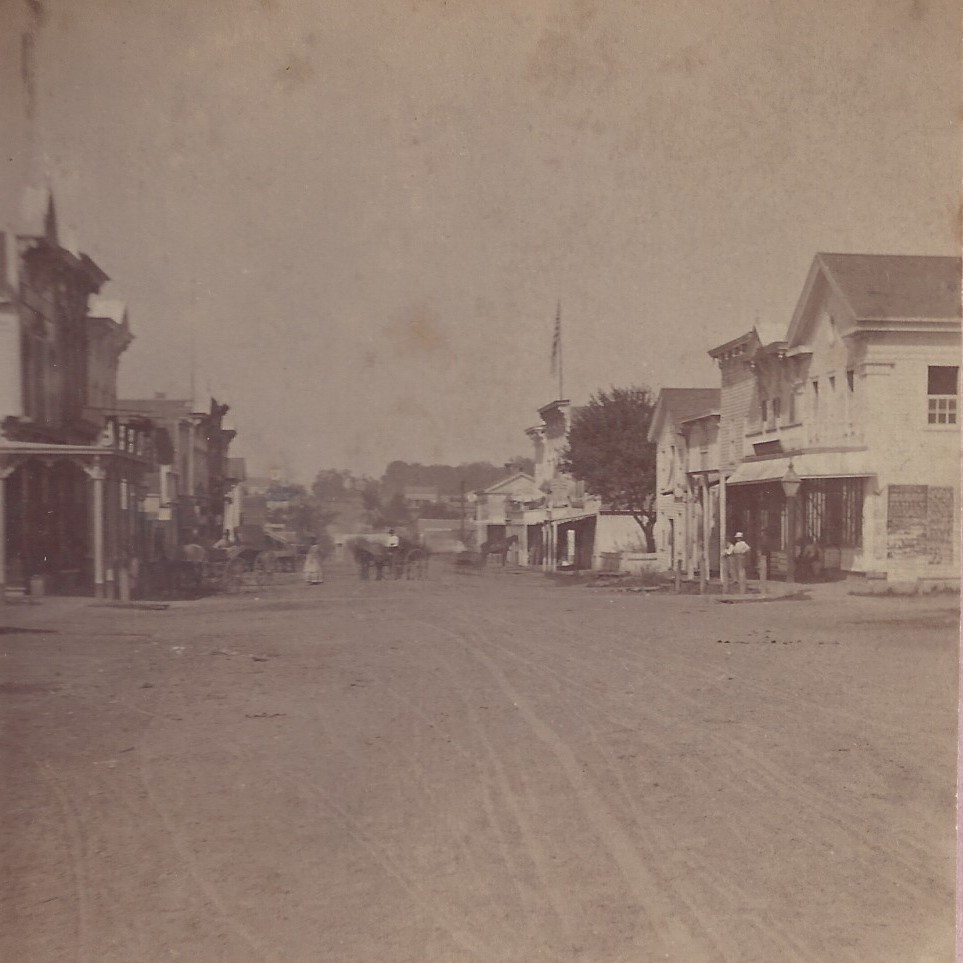
1947 in the Village of Flushing, Michigan
1947 in the Village of Flushing, Michigan
1947 was a year of careful progress and planning for the Village of Flushing, Michigan, marked by infrastructure improvements, administrative transitions, and preparation for major post-war development. The Village Council undertook significant street resurfacing projects, advanced sewer system planning, modernized local ordinances, and managed personnel changes while maintaining fiscal discipline. Despite ongoing post-war material shortages and construction delays, Flushing's government demonstrated effective stewardship by investing in essential improvements, strengthening public safety, and laying groundwork for the transformative infrastructure projects that would follow in subsequent years.
Municipal Officials
| Position | Name |
|---|---|
| Village President | Arthur E. Gibbs (from April; succeeded Bryce Miller) |
| Village Clerk | Ardeth E. Hunt (resigned April) George Wilson (from April) |
| Village Treasurer | Harlan W. Dyball |
| Village Superintendent/Manager | Fred W. Baker |
| Fire Chief | Claud B. Wood |
| Assistant Fire Chief | Ellis Bristol |
| Street & Water Superintendent | Robert A. Slone |
| Town Marshal (Day Police) | Harry D. Armstrong |
| Night Watchman | Kenneth E. Young |
| Trustees | C. Harold Ragan, Donald Wheeler, Keith Bailey, Clyde A. Jessop, William F. Boehm, Robert A. Gibbs |
Leadership Changes and Administration
The year 1947 brought a significant leadership transition. The March 10, 1947 village election saw longtime President Bryce A. Miller step down after years of service. Arthur E. Gibbs was elected as the new Village President and took office in April. The election also brought new trustees C. Harold Ragan and Donald Wheeler to the Council, joining incumbents Keith Bailey, Clyde Jessop, William Boehm, and Robert Gibbs.
Administrative changes continued when Village Clerk Ardeth E. Hunt resigned effective April 7 after dedicated service. At a special meeting on April 26, 1947, the Council appointed George Wilson as the new Village Clerk to fill the unexpired term. Wilson, previously a Council trustee, assumed both clerk duties and acting superintendent responsibilities, presenting monthly departmental operations reports by May.
Fire Chief Claud B. Wood was reappointed for his 36th consecutive year, with Ellis Bristol continuing as Assistant Fire Chief. The professional village management structure under Village Superintendent Fred W. Baker remained in place, with Robert A. Slone overseeing Street and Water Department operations. The police department saw stabilization with Harry D. Armstrong as day Marshal and Kenneth E. Young handling night patrol duties.
Budget and Fiscal Policy
On June 23, 1947, following completion of the assessment roll (total valuation: approximately $1.44 million, including $1.30 million in real property and $141,000 in personal property), the Council set the 1947 tax rate at 18.5 mills. This represented a slight increase from 1946 and was allocated as:
- 9.5 mills – General (Contingent) Fund
- 6.0 mills – Street Fund
- 3.0 mills – Bond & Interest Fund
The increased rate, generating approximately $26,600 in revenue, was necessary to fund expanded services and prepare for upcoming infrastructure projects. The Council emphasized that this moderate increase would support essential operations while positioning the village for future capital investments without excessive reliance on debt.
Tax collection remained strong throughout 1947, with over 97% of levies collected by October and only about $800 (3%) delinquent. To manage seasonal cash flow before summer tax receipts arrived, the Council did not need to issue tax anticipation notes in 1947, reflecting improved fiscal stability.
Employee compensation received attention. The Council approved wage increases throughout the year to retain qualified personnel. Street and water laborers saw modest raises, and full-time employees continued to receive vacation benefits (one day per month of service, maximum 12 days annually).
Major Street Resurfacing Project
The most significant infrastructure achievement of 1947 was a comprehensive street maintenance program. In July, the Council contracted Wells Paving Company of Dearborn to seal-coat all of Flushing's paved "tarvia" (bituminous) streets and completely reconstruct a deteriorating section of Chamberlain Street.
The project, completed by mid-July at a cost of approximately $6,206 (coming in $192 under bid due to material adjustments), involved:
- Seal-coating all existing paved village streets with asphalt
- Scarifying, aggregating, and double-layer sealing of Chamberlain Street
- Completing work before the summer festival season
This proactive maintenance extended the service life of local roads and addressed years of deferred wartime maintenance. The Council financed the work from the Street Fund, demonstrating effective use of operating revenues for essential capital improvements.
Regular street maintenance continued alongside the major project. The Department of Public Works graded unpaved roads monthly, spread calcium chloride for dust control (ordering 22.5 tons from Dow Chemical), and performed winter snow removal. The village painted and installed approximately 25 new street signs during summer to improve traffic guidance and safety.
Water System Enhancements
The water treatment plant continued reliable operation in its eighth year. The Council secured bulk supplies early: Michigan Salt Company again provided water-softening salt, and treatment chemicals were procured throughout the year to maintain water quality.
A critical upgrade occurred in July when the Council ordered a new Peerless water pump column and bowl assembly from equipment suppliers to rehabilitate the aging primary well pump at the treatment plant. Delivered and installed by July at a cost of approximately $815 (including parts and labor), this investment immediately increased pumping capacity from about 160,000 gallons per day to 210,000 gallons per day—a 31% improvement that boosted water pressure and supply reliability for residents.
Other water infrastructure improvements included:
- Repairing seven service line leaks in May on streets including Myrtle, Cherry, Saginaw, Hazelton, Chamberlain, Francis, and Main
- Installing at least a dozen new water service lines for homes in expanding areas (Mildred, East Main, Henry, Maple, Park-View subdivision)
- Flushing all fire hydrants multiple times during the year to improve water quality
- Installing new concrete sidewalk along East Main Street ("the Point") – approximately 587 feet of 4-foot-wide sidewalk completed by late August
Water production averaged 4-5 million gallons monthly, with unaccounted-for water loss reduced to approximately 8% through leak repairs and system maintenance.
Sidewalk and Drainage Improvements
The Council advanced a cost-sharing policy to encourage sidewalk expansion. On November 14, 1947, they passed Ordinance No. 15 (Section 16) establishing that property owners who constructed sidewalks to village specifications (aligned with the existing network) would bear full upfront costs but receive a 40% reimbursement once certain tax-revenue thresholds were met (when 15% of adjacent property taxes equaled at least half the village's share).
This innovative policy balanced private initiative with public support, addressing citizen petitions (such as from Delbert Schillman for sidewalks in the Parkview subdivision) while managing limited village resources.
Drainage remained an ongoing concern. Residents on East Elm Street between Cherry and Maple continued to petition about standing water and sewer odors. While a permanent fix awaited the comprehensive sewer system, the Street Department was instructed to flush and disinfect problematic storm sewers and regrade ditches on Seymour Road to improve runoff. The Council acknowledged these were interim measures until the planned sanitary sewer system could be built.
Sewer System Planning and Funding
Building on engineering work completed in 1945-1946, the Council continued advancing the sanitary sewer project. Throughout 1947, they coordinated with Pate & Hirn engineers and state/federal officials to refine project specifications and secure funding commitments.
The comprehensive plan called for:
- Main trunk sewers along primary streets
- A sewage treatment plant near the Flint River
- Estimated cost: approximately $315,000
- Construction timeline: 30 months
The Council positioned this for construction in 1948-1949, pending final funding approvals and public referendum on bond issues. Engineering plans remained current, and the village's applications for state and federal post-war infrastructure assistance were actively maintained.
Public Safety and Ordinances
Law enforcement operated effectively under a two-officer structure. Marshal Harry Armstrong handled day patrol while Kenneth Young covered nights, providing round-the-clock coverage. The Council supported enforcement by maintaining traffic signage and backing strict application of ordinances.
On October 10, 1947, the Council adopted an updated taxi fare ordinance (correcting Ordinance No. 10 Section 8), establishing maximum rates for local taxicab service:
- 35¢ per person for trips under one mile
- 25¢ for the first mile plus 15¢ per mile thereafter for longer trips
- Required posting of fare schedules in vehicles
This regulation protected riders from overcharges while ensuring viable taxi service in the village.
Traffic safety received ongoing attention. The Council ordered installation of new street signs at intersections, repainted existing signage, and posted "Dead End" notices on streets like East Henry Street to prevent motorists from inadvertently driving to terminus points.
Fire Department Operations
Fire Chief Claud Wood and the volunteer department responded to numerous calls in 1947. The compensation structure continued: $5 per call for the Chief, $4 for the Assistant Chief, and $3 per firefighter for village fires.
The Council supported the department by:
- Funding delegates to attend the Michigan State Firemen's Association convention
- Purchasing new firefighting equipment (hoses, nozzles, protective gear)
- Maintaining the 1938 GMC fire engine through regular servicing
- Negotiating fire protection contracts with Flushing Township ($1,500 annually) and surrounding areas
Planning continued for a new fire engine, with estimates around $6,446, though delivery delays persisted due to post-war manufacturing backlogs.
Community Engagement and Public Services
The Council remained responsive to citizen needs throughout 1947:
Veterans Support: On April 1, the Council granted VFW Post 5666 exclusive rights to sell Memorial Day "Buddy Poppies" in the village as a fundraiser for veterans' causes.
Community House Operations: The three-member Community House Commission managed the facility, hosting civic meetings, youth dances, and public events. The Council continued providing the building rent-free for war-related and civic activities while charging modest fees for private rentals.
Public Petitions: The Council addressed numerous citizen requests, including:
- Requests for new streetlights on Deland Road (Council directed Superintendent to consult Consumers Power)
- Petitions for improved drainage on various streets
- Requests for street paving in developing neighborhoods (deferred pending funding)
Civic Improvements: The Council approved a $250 appropriation to the Flushing Community Council to support civic improvement initiatives and recreation programs.
War Memorial and Community Pride
In March, President Gibbs formed a committee (Trustees Boehm, Campbell, and Jessop) to collaborate with the Blue Star Mothers organization on selecting a location and design for a war memorial to honor local veterans. By November, progress was tangible: the Street Department poured the concrete foundation for the soldiers' memorial on the Community House lawn. This project honored Flushing residents who served in World War II and would be completed with formal dedication in 1948.
Year-End Assessment
By December 1947, the Village of Flushing had achieved significant progress despite post-war challenges. The comprehensive street resurfacing program addressed years of deferred maintenance, the water system's capacity increased substantially through pump upgrades, and critical infrastructure planning positioned the village for major sewer construction.
Administratively, the transition to President Gibbs's leadership proceeded smoothly, and the professional management structure under Village Superintendent Baker proved effective in coordinating complex projects. Financially, the village maintained balanced budgets with strong tax collections and avoided new debt while investing in essential improvements.
The groundwork laid in 1947—updated engineering plans, established funding mechanisms, improved water capacity, resurfaced streets, and strengthened ordinances—set the stage for Flushing's transformation in 1948-1950. The vision demonstrated by President Gibbs and the Council in carefully managing resources while planning for growth would enable the major capital projects and residential expansion that would define Flushing's late-1940s development.