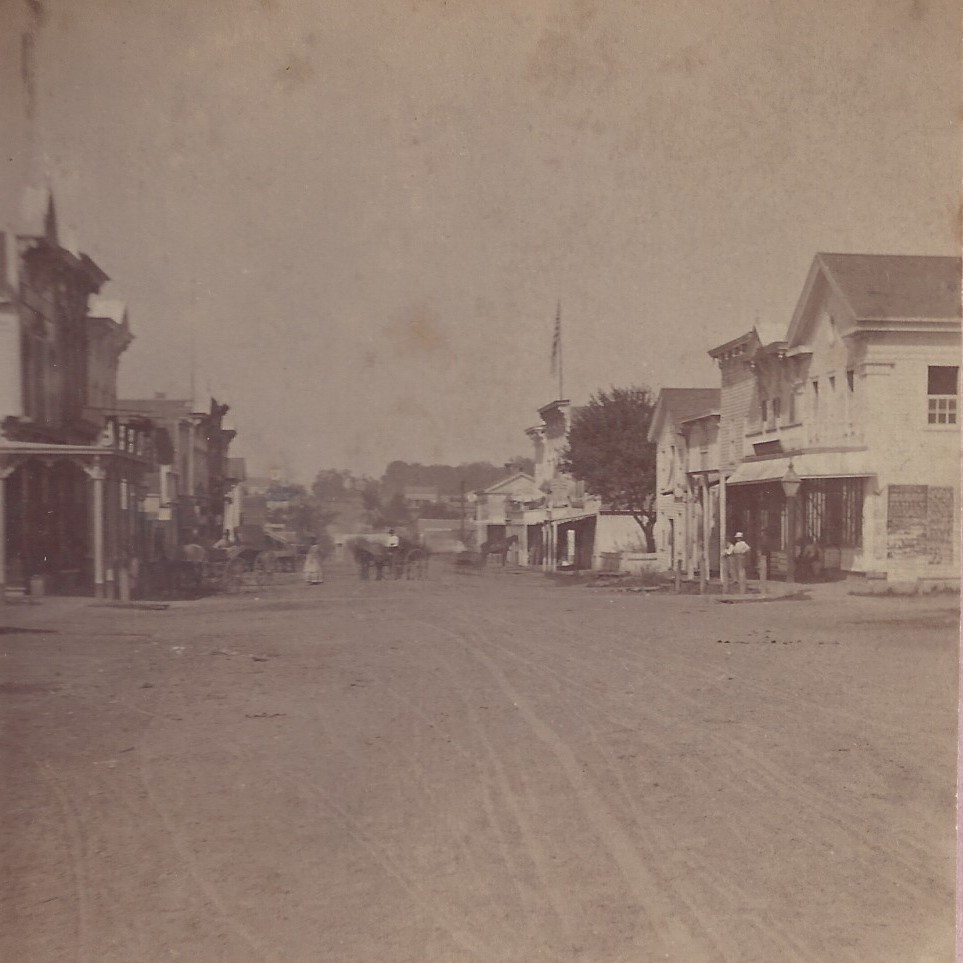
1948 in the Village of Flushing, Michigan
1948 in the Village of Flushing, Michigan
1948 was a year of substantial infrastructure investment and administrative refinement for the Village of Flushing, Michigan. The Village Council completed major water system improvements, advanced street paving plans, modernized local ordinances, and strengthened emergency services. Despite persistent post-war material constraints, the Council demonstrated effective governance through strategic equipment purchases, careful debt management, and responsive public service. The year saw significant developments in water infrastructure (including the critical Flint River water main crossing), traffic regulation updates, fire protection enhancements, and continued planning for the comprehensive sewer system that would transform village sanitation in the coming years.
Municipal Officials
| Position | Name |
|---|---|
| Village President | Arthur E. Gibbs |
| Village Clerk | George Wilson |
| Village Treasurer | Harlan W. Dyball |
| Village Superintendent/Manager | Fred W. Baker (acting Clerk duties from August) |
| Fire Chief | Claud B. Wood |
| Assistant Fire Chief | J. A. Gardner |
| Street & Water Superintendent | Robert A. Slone |
| Town Marshal (Day Police) | Harry D. Armstrong |
| Night Watchman | William "Billy" Lorraine (Jul–Oct) Kenneth E. Young (from July) |
| Trustees | C. Harold Ragan, Donald Wheeler, Keith Bailey, Clyde A. Jessop, William F. Boehm, Robert A. Gibbs |
Administrative Leadership
President Arthur E. Gibbs provided stable leadership throughout 1948, guiding the Council through ambitious infrastructure projects and fiscal management. The professional village management structure under Village Superintendent Fred W. Baker continued to prove effective, with Baker assuming additional responsibilities when Village Clerk George Wilson indicated plans to transition from that role. By August, Baker was serving as both Village Superintendent and acting Clerk at a combined annual salary of $3,000.
The police department underwent mid-year personnel changes. Town Marshal Harry Armstrong continued as day officer, while the night watchman position saw transition. Billy Lorraine briefly served from July through October before Kenneth E. Young returned to assume night police duties, restoring stability to the two-officer structure.
Fire Chief Claud B. Wood continued his long tenure (37th year), with J.A. Gardner serving as Assistant Fire Chief. Robert Slone remained as Street and Water Superintendent, overseeing the daily operations of public works under Baker's administrative direction.
Budget and Financial Management
The Council maintained the 1948 tax rate at approximately 16-17 mills, consistent with 1947 levels, demonstrating fiscal continuity. The levy remained apportioned among the General Fund, Street Fund, and Bond & Interest obligations. With property valuations remaining stable around $1.4 million, the village generated sufficient revenue to fund operations and strategic capital investments.
A significant fiscal action occurred in July when the Council made a substantial debt service payment of $4,500 on outstanding street improvement bonds, plus $450 in interest, to the Peoples State Bank. This lump-sum payment—the largest single expenditure of the year—temporarily spiked monthly spending but served the strategic goal of reducing long-term interest costs and strengthening the village's financial position for future infrastructure bonds.
The Council continued conservative spending practices, carefully evaluating each capital purchase against budget constraints and anticipated needs. Employee wages remained competitive with modest adjustments to retain qualified staff amid the booming post-war economy.
Major Water Infrastructure Project
The crowning infrastructure achievement of 1948 was completing the water main extension across the Flint River. Contracted to Blackford Brothers in 1946 for $4,200, this critical project installed approximately 425 feet of 6-inch water main beneath the river, connecting the previously isolated southern water network to the main village system north of the river.
Engineered by Pate & Hirn and completed by December 31, 1948, this project delivered multiple benefits:
- Unified water circulation throughout the entire village distribution system
- Dramatically improved water pressure for south-side residents
- Enhanced fire protection capabilities on both sides of the river
- Eliminated the "dead-end" main that had plagued South Saginaw Street
- Positioned the village for expansion into southern development areas
The completion of this technically challenging river crossing represented a major milestone in Flushing's water system evolution, effectively doubling the network's redundancy and reliability.
Additionally, the Council authorized a 375-foot water main extension down Pellet Court to the village cemetery (north of the river), scheduled for spring 1949 completion. This extension improved water service to the northern village limits.
Water System Operations and Maintenance
The treatment plant operated reliably in its ninth year. Routine maintenance included:
- Purchasing bulk water-softening salt (approximately 250 tons annually from Michigan Salt Company)
- Procuring treatment chemicals (chlorine, caustic soda, potassium permanganate)
- Installing numerous new water services to homes in expanding areas (Warren Avenue, Terrace Street, Parkview Subdivision, Bonnie View)
- Replacing aging or shallow service lines on Beech, Elm, and Coutant Streets to prevent winter freeze-ups
The Council authorized repairs to a leak in the elevated water tower in November, spending $261.35 to tighten an expansion joint. They also relocated a fire hydrant on Main Street (cost: $60) to better serve new development.
Water production averaged 4.5-5 million gallons monthly, with peak summer demand reaching nearly 5 million gallons. The unaccounted-for water loss rate improved to approximately 8% through systematic leak repairs and infrastructure upgrades.
Water quality remained excellent. The sequestration treatment system (Septa-Phosphate) continued to control iron staining effectively, and bimonthly testing by the Michigan Department of Health confirmed compliance with all safety standards.
Street Improvements and Traffic Regulations
While major street paving remained deferred due to contractor availability issues, the Council pursued maintenance and incremental improvements:
Equipment Acquisition: On October 11, 1948, the Council purchased a used road grader from the Genesee County Road Commission for $500, significantly enhancing the village's capacity for road maintenance and grading operations. This equipment proved immediately valuable for maintaining unpaved streets year-round.
Street Signage: The Council installed 12 new intersection street name signs around town in October to improve navigation, supplementing earlier installations from 1947. They also erected new "Village Limits" signs at Flushing's entrances (materials: $54.75), clearly marking the community's boundaries.
Traffic Regulation: The Council refined parking rules throughout 1948. In September, they banned parking on the east side of Cherry Street (M-13) between the blacksmith shop and Main Street, posting signs to enforce this safety measure. The Council also evaluated options for additional downtown parking, improving the public lot on Shiawassee Avenue (behind Main Street stores) to accommodate overflow parking.
Drainage Improvements: In September, crews built three new catch basins on West Main and Elm Streets to alleviate stormwater issues, and they excavated ditches along the 400 block of Mill Street to improve runoff drainage during heavy rains.
Ordinances and Municipal Regulations
The Council enacted several significant ordinances in 1948:
Tavern Ordinance Repeal: On October 11, 1948, responding to community input and redundancy with state law, the Council repealed Ordinance No. 13 (the village's local regulation on bars and taverns). Village Marshal Harry Armstrong reported that Michigan Liquor Control Commission regulations were sufficient for regulating taverns, making local ordinances unnecessary. The Council voted unanimously to rescind the local law and formally adopt state LCC regulations in its place.
Sidewalk Cost-Sharing: Also on October 11, the Council passed a resolution establishing a 60/40 cost-sharing policy for sidewalk repairs—the village would cover 40% of repair costs, with property owners paying 60%. Entirely new sidewalks (where none existed) would be installed at full cost to abutting property owners unless connecting to the current network. This policy encouraged property owner participation while fairly sharing infrastructure costs.
Water Works System Ordinance: On January 5, 1948, the Council enacted a comprehensive ordinance updating rules for protecting water infrastructure, formalizing procedures for water service connections, and establishing a schedule of water rates and deposits:
- $25 service connection deposit
- $5 water meter security deposit
- Quarterly residential rate: $3.75 for the first 9,000 gallons
- Tiered surcharges for higher usage
- 10% late payment penalty
These measures ensured uniform service standards and stable water revenue.
Fire Department Modernization
Fire protection received significant attention in 1948. The volunteer department, led by Chief Wood and Assistant Chief Gardner, responded to numerous calls both within the village and in surrounding townships under mutual aid agreements.
Fire Protection Contracts: The Council formalized township fire service agreements. Flushing Township's contract for $1,500 annually was renewed, and negotiations with Clayton Township advanced toward a similar arrangement. These contracts provided essential funding for equipment and volunteer compensation while recognizing that many fire calls occurred beyond village boundaries.
Equipment and Training: The Council authorized several fire equipment purchases:
- New fire hoses and nozzles to replace worn units
- Protective gear (coats, boots, helmets) for volunteers
- Maintenance parts for the 1938 GMC fire engine
- A two-way police radio system approved on October 11 for installation in the police/fire vehicles, dramatically improving emergency communication and coordination
The Council sent Chief Wood and delegates to the Michigan State Firemen's Association convention for training, demonstrating commitment to professional development.
Community Engagement and Public Services
School Cooperation: In October 1948, facing school overcrowding, the Flushing Board of Education requested use of the Community House for instructional space. After negotiations, the Council on October 11 approved a lease agreement allowing portions of the Community House to be used for school classes and activities during the 1948-49 school year. This cooperative arrangement addressed critical space needs while generating modest revenue for the village.
Park Development: Resident Harrison Miller proposed in October developing the land behind the village garage (Lot 103) into a dedicated village park for community events. The Council reacted favorably, recognizing the site (sometimes called "Mutton Park") could host gatherings like Homecoming celebrations and traveling carnivals. Formal development was planned for 1949.
Public Safety Concerns: Citizens raised various concerns throughout the year:
- Residents requested streetlights in dark areas; the Council worked with Consumers Power to add lights at strategic locations
- Traffic safety at "The Point" (Cherry & Main intersection) led to discussions about installing a blinking caution light (approved in principle, installed in early 1949)
- The Grand Trunk Railroad was contacted about rough rail crossings on Main Street causing vehicle damage; temporary repairs were applied pending comprehensive fixes
Sewer Planning and Future Projects
While no major construction occurred in 1948, the Council kept sewer system planning active. They maintained engineering plans and funding applications with state and federal agencies, positioning Flushing to move forward once conditions allowed. The comprehensive sewer and treatment plant project remained the Council's long-term priority, with specifications ready for bidding when financing was secured.
The Council also explored interim drainage solutions. Residents continued to petition for relief from flooding and inadequate storm sewers, and the DPW responded with catch basin cleaning, minor sewer extensions, and localized drainage improvements.
Year-End Assessment
By December 1948, the Village of Flushing had achieved remarkable progress. The completion of the Flint River water main crossing unified the distribution system, the purchase of road maintenance equipment enhanced service delivery capacity, and the modernization of ordinances streamlined governance. The substantial debt payment strengthened fiscal position, and the formalization of fire protection contracts stabilized emergency services funding.
Administratively, the consolidation of clerk and superintendent duties under Fred Baker improved efficiency and coordination. The two-way radio system for emergency services represented a leap forward in public safety technology, and the cooperative agreement with the school district demonstrated creative problem-solving for community needs.
Most importantly, the infrastructure investments of 1948—particularly the river crossing and water system improvements—positioned Flushing for the residential expansion and development boom of the 1950s. The careful planning, fiscal discipline, and strategic vision demonstrated by President Gibbs and the Council laid a foundation that would support decades of community growth.