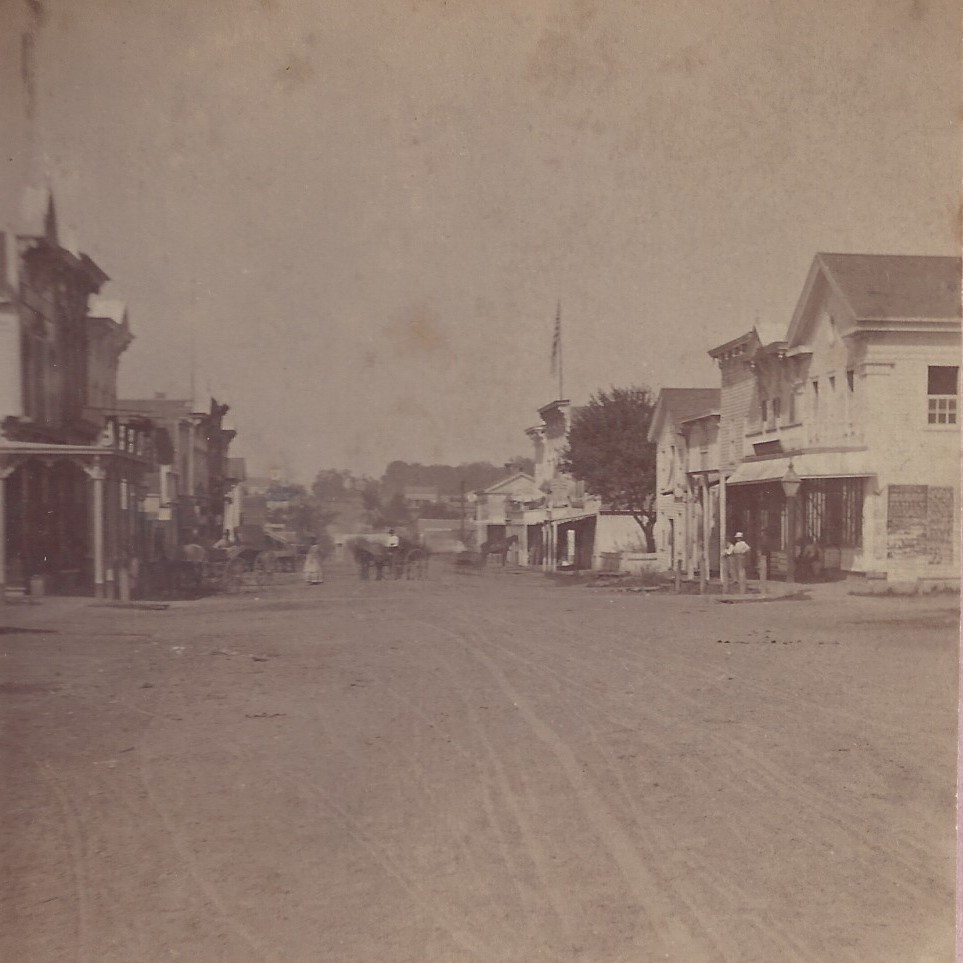
1949 in the Village of Flushing, Michigan
1949 in the Village of Flushing, Michigan
1949 was a transformative year for the Village of Flushing, Michigan, marked by decisive action on the long-planned sanitary sewer system, significant infrastructure investments, and a leadership transition mid-year. The Village Council advanced the comprehensive sewer and treatment plant project through a special election, modernized local ordinances affecting sidewalks and taxation, strengthened public services, and honored the legacy of philanthropist Marion Packard. Despite the complexity of coordinating a major capital project with ongoing municipal operations, Flushing's government demonstrated effective planning and execution, positioning the village for the sanitation improvements and residential growth that would define the 1950s.
Municipal Officials
| Position | Name |
|---|---|
| Village President | Arthur E. Gibbs (until mid-year) William F. Boehm (from August) |
| Village Clerk | George Wilson (resigned April) Fred W. Baker (from April, dual role) |
| Village Treasurer | Harlan W. Dyball |
| Village Superintendent/Manager | Fred W. Baker |
| Fire Chief | Claud B. Wood |
| Assistant Fire Chief | Ellis Bristol |
| Street & Water Superintendent | George Wilson (from May, acting) |
| Town Marshal (Day Police) | Harry D. Armstrong |
| Night Watchman | Kenneth E. Young (through June) Loren Gillespie (from summer) |
| Trustees | C. Harold Ragan, Donald Wheeler, Keith Bailey, Clyde A. Jessop, William F. Boehm, Robert A. Gibbs |
Leadership Transition
The year 1949 saw significant changes in village leadership. President Arthur E. Gibbs, who had led the Council since 1947, stepped down mid-year. William F. Boehm assumed the presidency by August 1949, bringing fresh leadership to guide the village through the sewer project implementation.
Village Clerk George Wilson resigned in April after dedicated service. At a special meeting on April 26, 1949, the Council appointed Fred W. Baker to the dual role of Village Superintendent and Village Clerk, consolidating administrative functions. This arrangement, with Baker serving in both capacities at a combined salary, proved efficient and was formalized through the remainder of 1949 and beyond.
The police department saw personnel changes as well. Kenneth E. Young served as night watchman through June, then Loren Gillespie was hired for the position during summer. By September, the Council voted to grant Gillespie a $5 per week raise (from $50 to $55 weekly) after successfully completing his probation period, recognizing his effective service.
Fire Chief Claud B. Wood continued his remarkable 38th consecutive year leading the volunteer fire department, with Ellis Bristol as Assistant Chief. George Wilson transitioned from clerk duties to become acting Street and Water Superintendent in May, overseeing daily operations of public works.
Historic Sewer Project Advances
The most significant development of 1949 was advancing Flushing's comprehensive sanitary sewer and sewage treatment plant project from planning to voter authorization and initial implementation.
Special Election and Bond Authorization
Following years of engineering and planning, the Council moved decisively in spring 1949 to secure public approval and financing. On May 9, 1949, the Council unanimously passed a series of resolutions calling a special election for June 20, 1949, at which voters would decide two critical propositions:
Proposal No. 1: A Charter amendment to allow larger capital expenditures with voter approval, raising the debt limit for public infrastructure projects.
Proposal No. 2: Authorization to borrow $140,000 via general obligation bonds (to be repaid through property taxes) as part of a comprehensive financing plan for the sewer system. This would be combined with up to $175,000 in revenue bonds under Michigan Act 94 of 1933, for a total project cost of approximately $315,000.
The Council meticulously followed legal requirements for public notices, voter registration, and election administration. After the vote, a special meeting on June 23, 1949 certified the election results, with voters approving both propositions and thereby empowering the village to proceed with the sewer construction.
Tax Rate and Project Financing
At the same June 23 special meeting, the Council addressed the annual tax rate. After reviewing the completed assessment roll and consulting with Village Assessor Clyde Fruchey, the Council set the 1949 property tax rate at 16 mills (unchanged from 1948). This was allocated among the General Fund, Street Fund, and Bond & Interest obligations.
The Council explained that the moderate tax rate would be maintained during sewer construction, with bond repayment funded through a combination of dedicated millage and sewer user fees once the system became operational. By October, current tax collections totaled approximately $27,559, demonstrating strong fiscal compliance that supported the village's bonding capacity.
Water System Operations and Improvements
The water treatment plant continued reliable operation, with routine maintenance and several improvements:
Supply and Treatment: The Council purchased bulk water-softening salt (approximately 250 tons from Michigan Salt Company) and treatment chemicals including chlorine, caustic soda, and potassium permanganate to maintain water quality throughout the year.
Infrastructure Extensions: Multiple new water service lines were installed to serve growing residential areas, particularly in the Parkview subdivision and along developing streets. The Council approved extending water mains to areas like Coutant Street East and coordinated with property owners on cost-sharing for installations on private property.
Equipment and Maintenance: The Council authorized purchasing 50 new water meters from Badger Meter Company to replace aging units and equip new connections. They also approved repairs to the water tower and maintenance of the treatment plant's softening equipment, including working with Permutit Company representatives to optimize the zeolite filter system.
Quality Control: Water samples continued to be sent to the Michigan Department of Health for bimonthly testing, consistently confirming compliance with safety standards. The sequestration treatment using Septa-Phosphate effectively controlled iron staining, and residents enjoyed high-quality softened water.
Monthly water production averaged 4.5-5 million gallons, with summer peaks approaching 5.5 million gallons during dry, hot weather. Unaccounted-for water loss remained at approximately 8-10%, acceptable for the era and indicating good system integrity.
Ordinances and Municipal Regulations
The Council enacted several important ordinances in 1949:
Sidewalk Construction Cost-Sharing
On November 14, 1949, the Council passed Ordinance No. 15 (Section 16), establishing a policy to encourage sidewalk expansion. Under this ordinance:
- Property owners who constructed sidewalks to village specifications (aligned with the existing network) would bear full upfront costs
- They would receive a 40% reimbursement of construction expenses from the village
- Reimbursement would be paid once certain tax-revenue thresholds were met (when 15% of adjacent property taxes equaled at least half the village's share)
This innovative policy balanced private initiative with public support, addressing citizen petitions for sidewalk expansion while managing village resources efficiently.
Basement Dwelling Prohibition
Building on earlier building code enforcement, on April 11, 1949, the Council adopted an amendment banning construction of basement-only dwellings. The ordinance, effective immediately, prohibited issuing building permits for structures intended for habitation solely in a basement, ensuring all new residences included above-ground living spaces with adequate light, ventilation, and safety features.
General Property Tax Ordinance
At the December 12, 1949 meeting, the Council adopted Ordinance No. 23 (General Property Tax), adjusting the timeline for completing the annual assessment roll to comply with Michigan Public Act 285 of 1949. The new ordinance directed that the assessment roll be finalized by the second Monday in February each year (rather than March), ensuring smooth transitions in election years and full compliance with updated state tax code requirements.
Street and Infrastructure Improvements
Sidewalk Construction: A major achievement was constructing new sidewalks in underserved areas. The Council authorized and completed approximately 590 feet of new concrete sidewalk along East Main Street ("the Point" area near Trinity Episcopal Church) in late summer, addressing longstanding requests from residents in that neighborhood for safe pedestrian access.
Street Maintenance: The Department of Public Works continued routine grading of unpaved roads, applied calcium chloride for dust control (ordering 22.5 tons from Dow Chemical), and spread gravel on deteriorating sections. The village's road grader (purchased in 1948) proved invaluable for maintaining the extensive network of dirt and gravel streets.
Drainage Improvements: The Council addressed persistent flooding issues:
- In September, crews cleaned 20 catch basins and constructed a new sand trap on Luce Avenue to improve stormwater runoff control
- The Council directed extending sewer outlets emptying into the Flint River to discharge below the water line, preventing exposed sewage and reducing odors
- Residents on problematic streets like East Elm received assurances that comprehensive drainage solutions would come with the new sanitary sewer system
Traffic Safety: The Council installed additional street signage, including stop signs at intersections and "No Parking" zones near fire hydrants. In October, they approved constructing a small police information booth at Main and Maple Streets to serve as the night officer's base during patrols.
Fire Department and Emergency Services
The volunteer fire department maintained readiness under Chief Wood's experienced leadership:
Equipment Upgrades: The Council authorized significant fire equipment purchases in 1949:
- Six new firefighter coats (at $15 each) and six pairs of boots ($9.55 each) in September, totaling $147 for protective gear
- An attic ladder, rotary warning light, hydraulic jack, ropes, and tarpaulins in late September for rescue operations and nighttime emergencies
- Maintenance and repairs for the fire engine, including tune-ups and pump servicing
Fire Protection Contracts: The Council renewed the Flushing Township fire protection agreement at $1,500 annually (payable in semi-annual installments), ensuring continued funding for the department's expanded coverage area. Similar arrangements were maintained with Clayton Township.
Compensation Structure: The fire department continued the pay scale established in prior years: $5 per call for the Chief, $4 for the Assistant Chief, and $3 per firefighter for in-village fires. For township calls, a response crew of six was dispatched at these rates while up to four standby firefighters remained in Flushing at $1 each.
The department responded to approximately 15-20 fire calls in 1949, maintaining Flushing's strong fire protection record.
Honoring Marion Packard
One of the most poignant moments of 1949 came in December when the Council honored the memory of Miss Marion E. Packard, Flushing's greatest benefactor. Miss Packard, who passed away on December 2, 1949, had years earlier purchased and renovated the large structure that became the Flushing Community House, donating it complete with an auditorium, banquet facilities, modern council chambers, and a well-equipped public library.
On December 12, 1949, the Council unanimously passed a Resolution of Gratitude and Memory for Miss Marion E. Packard, acknowledging that "by these gifts she has made this Village a better place in which to live and raise our families." The resolution, drafted with assistance from village attorney Marvin Ransom, was entered into the official minutes and a copy sent to Miss Packard's family as a lasting tribute to her legacy.
Community Engagement and Public Services
School Space Agreement: The Council continued the cooperative arrangement begun in 1948, allowing the Flushing Board of Education to use portions of the Community House for overflow classroom space, addressing ongoing school crowding issues.
Veterans Support: The Council granted the Veterans of Foreign Wars (VFW) Post 5666 exclusive rights to sell "Buddy Poppies" in the village leading up to Memorial Day, supporting veterans' causes.
Park Development: The Council moved forward with developing the village-owned lot behind the garage (Lot 103, "Mutton Park") as a public park. By year's end, plans were underway to install sanitary facilities at the new Village Park, pending acceptable plans and costs. In April, the Council had authorized up to $2,306 to extend a water main into the park, a project completed in May with the Flushing Chamber of Commerce contributing labor costs.
Citizen Petitions: The Council responded to numerous resident requests:
- Delbert Schillman and others petitioned for sidewalks in the Parkview subdivision, leading to the sidewalk cost-sharing ordinance
- Residents requested improved drainage on various streets; interim solutions were provided
- Citizens sought streetlight installations; the Council worked with Consumers Power to address dark areas
Year-End Assessment
By December 1949, the Village of Flushing stood on the threshold of its greatest infrastructure transformation. With voter approval secured, financing arranged, and engineering plans finalized, the comprehensive sewer and treatment plant project was positioned for construction beginning in 1950. The successful special election demonstrated community support for major capital investment, and the Council's careful financial management ensured the village could undertake this ambitious project without jeopardizing fiscal stability.
The water system continued to perform excellently, street improvements advanced incrementally, public safety services were strengthened, and the community honored the philanthropic legacy of Marion Packard. The leadership transition from President Gibbs to President Boehm proceeded smoothly, with administrative continuity maintained through Village Manager/Clerk Fred Baker.
Most significantly, the groundwork laid in 1949—voter authorization, bond financing, final engineering specifications, and property tax stability—positioned Flushing to begin the sewer construction that would eliminate septic systems, improve public health, and support the residential development boom of the 1950s. The vision and determination demonstrated by the Council in advancing this transformative project would benefit Flushing residents for generations to come.