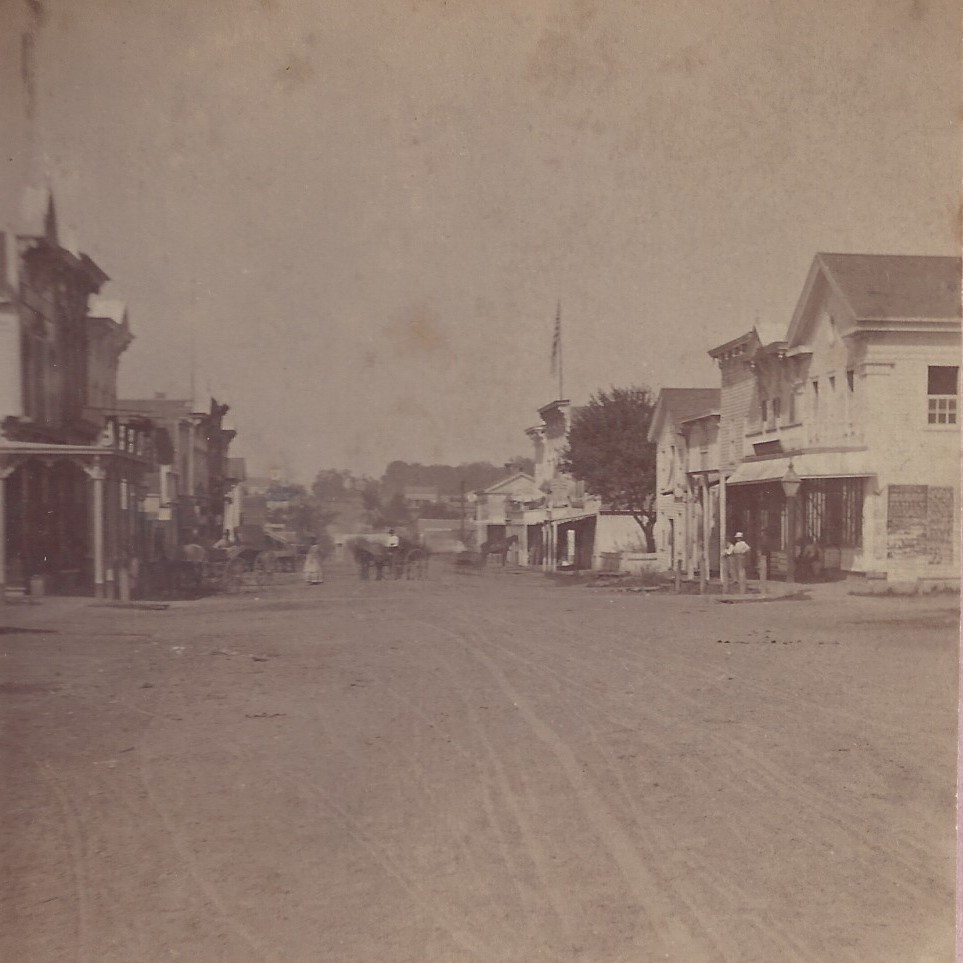
1950 in the Village of Flushing, Michigan
1950 in the Village of Flushing, Michigan
1950 represented a year of significant transformation and modernization for the Village of Flushing, Michigan. The village underwent major leadership changes with Robert A. Sellars assuming the presidency and Arthur Gibbs transitioning from Village Superintendent to a management role. The Council focused on infrastructure improvements including water system enhancements, street maintenance, and continued planning for the comprehensive sewer system. The year was characterized by employee wage adjustments reflecting post-war economic conditions, expanded public services, and careful fiscal management as the village positioned itself for growth in the new decade.
Municipal Officials
| Position | Name |
|---|---|
| Village President | Robert A. Sellars |
| Village Clerk | Joy D. Scott (through mid-year) Arthur Gibbs (combined with Superintendent) |
| Village Treasurer | Harlan W. Dyball |
| Village Superintendent | Arthur Gibbs |
| Fire Chief | Claud B. Wood (Claude Wood) |
| Assistant Fire Chief | Ellis Bristol |
| Street & Water Superintendent | Clayton Hatchew (Water Operations) Barrett Burnett, Chester Boardman (Street Dept.) |
| Town Marshal (Day Police) | Harry Armstrong |
| Night Watchman | Loren Gillespie |
| Trustees | Woodhouse, Eller, Campbell, McIntosh, McCartney, Schillman |
Leadership and Administrative Changes
1950 brought a significant leadership transition with Robert A. Sellars serving as Village President throughout the year. The professional village management structure continued under Arthur Gibbs, who served as Village Superintendent and increasingly assumed combined administrative duties including clerk responsibilities.
The Council demonstrated stable governance with trustees Woodhouse, Eller, Campbell, McIntosh, McCartney, and Schillman providing oversight across village departments. Fire Chief Claud B. Wood (also recorded as Claude Wood) continued his extraordinary tenure approaching 40 consecutive years of service, with Ellis Bristol as Assistant Fire Chief.
Police staffing remained consistent with Harry Armstrong serving as day Marshal and Loren Gillespie handling night watchman duties, providing round-the-clock law enforcement coverage for the growing community.
Budget and Cost-of-Living Adjustments
The Council addressed post-war inflation pressures through systematic employee compensation reviews. At the December 11, 1950 meeting, President Sellars and the Council agreed to adopt a cost-of-living adjustment for all village employees:
- Full-time employees received a $4.00 per week increase effective December 15, 1950
- Hourly employees received an 8¢ per hour raise
- Office secretary Cecilia Sefcovic received a merit raise of $5.00 per week effective December 1, 1950
The 1950 tax levy generated approximately $29,361.63, with strong collection rates exceeding 92% by September (when Treasurer Harlan Dyball reported $27,066.63 collected, with soldier's exemptions of $290.24 pending state reimbursement and other delinquencies totaling $2,004.76).
Water System Operations and Improvements
The water treatment plant continued reliable operation with ongoing maintenance and improvements:
Operations and Production: Monthly water production averaged 3.6-4.6 million gallons, with well depth measurements averaging 6-7 feet from casing top during operation. The system served a growing number of customers with new service installations throughout the year.
Treatment Enhancements: The Council addressed water treatment equipment needs, including:
- Purchasing chemical feeders for handling liquid caustic soda (quotations received and studied in December)
- Installing proportioner pumps for distribution of treatment chemicals
- Maintaining the zeolite softening system with regular salt supplies (Morton Salt Co. contracts)
- Using Klenzade products and other treatment chemicals to ensure water quality
Infrastructure Expansions: Multiple new water services were installed throughout 1950 at customer expense, including connections on:
- Flushing Road, Kelly Road, Terrace Street (multiple locations)
- Gerald Street, Warren Avenue, Park Avenue
- East Main Street and various developing areas
The Water Department repaired leaking meters at village expense, turned services on/off as needed (15-20 per month), and maintained fire hydrant rental agreements generating $233 monthly revenue.
Street Maintenance and Infrastructure
The Street Department under superintendent oversight maintained an active schedule of improvements:
Routine Maintenance: Village crews performed grading, street sweeping, snow removal, and general maintenance. November 1950 activities included:
- Grading gravel streets ($52.84 labor cost)
- Village street maintenance and repair ($151.69)
- Building up gravel streets ($54.76 labor, $66.81 materials)
- Installing culverts at Oak-Lynn, Coutant, Myrtle, and Hazelton Streets
- Snow and ice removal operations ($84.96)
Sidewalk Program: Significant sidewalk construction occurred, with $82.41 in labor costs for new sidewalk completion in November alone. The village continued its cost-sharing policy encouraging property owner participation in sidewalk expansion.
Drainage Improvements: Major drainage work addressed chronic flooding issues:
- Catch basins built in multiple locations
- Drain tile installed on E. Main Street and Boman Road
- Gutters and catch basins cleaned regularly
- A 12-inch tile drainage solution proposed for the north side of East Main Street (property owners to pay 100%, with potential incorporation into future sewer system)
Street Signage: The Council authorized Superintendent Gibbs to purchase street signs and necessary safety signs, with acknowledgements received on all street signs ordered by December.
Fire Department and Emergency Services
Fire Chief Claude Wood and the volunteer department maintained readiness and responded to numerous calls:
Compensation Structure: The standard pay scale continued: $30/month for the Chief, $12.50/month for the Assistant Chief, plus per-call stipends for firefighters. The Council decided to pay fire calls and monthly meetings as current bills rather than delayed payments.
Equipment and Facilities: Significant fire department improvements in 1950:
- Installation of a Crawford Marvel-Lift Door at the Fire Station (approved December)
- Purchase of new fire hoses and equipment
- Regular maintenance on pumps and apparatus
- Continued contracts with Flushing Fire Department suppliers
Fire Hall Custodian: Everett House was hired as part-time janitor at $20.00 per week to maintain the Fire Station and Community Center.
Public Safety and Ordinances
Law enforcement remained active with comprehensive reporting:
Police Activity (October 1950 sample month):
- 36 traffic tickets issued
- 13 doors found unlocked and secured
- 13 tavern inspections conducted
- 7 accidents investigated
- 2 prowlers reported
- 4 drunks arrested
- 1 larceny, 1 breaking and entering
Taxi Regulation: The Council updated taxi fare ordinances multiple times in 1950, settling on rates of:
- First 1/3 mile: 25¢
- Each additional 1/3 mile: 10¢, plus 10¢ for each additional passenger over two
- Waiting time: 10¢ for each two minutes or part thereof
Amateur Radio Service: Howard Clark and William Kassom presented their amateur radio service to the Council in December, offering to donate mobile service for village emergencies, demonstrating community support for public safety.
Community Services and Public Facilities
Community Center Operations: The Community House served multiple functions:
- Regular cleaning and maintenance (labor costs $155.94 in November)
- Rental income generated from private events
- Public gatherings and civic meetings hosted
- Auditorium available for community use
Sanitation Services: The village operated comprehensive waste collection:
- North and South alley refuse collection every Saturday
- General village trash and ash pickup every Monday
- Contract with Frank Dunning for garbage collection ($82.50/month)
Parks and Recreation: The Parks & Recreation department maintained village grounds and facilities with regular labor allocations for grounds keeping, equipment maintenance, and facility upkeep.
Year-End Assessment
By December 1950, the Village of Flushing had successfully navigated another year of post-war development. The cost-of-living adjustments recognized employees' contributions while maintaining fiscal responsibility. Infrastructure improvements advanced incrementally, and essential services operated reliably.
The village's financial health remained strong with excellent tax collection rates, allowing continued investment in improvements while maintaining balanced operations. The professional management structure under Superintendent Gibbs proved effective in coordinating complex municipal operations.
Most significantly, the groundwork laid in 1950—improved water infrastructure, enhanced street maintenance capacity, modernized fire facilities, and strengthened public safety—positioned Flushing to meet the challenges of rapid suburban growth in the 1950s. The village stood ready to continue its transformation from a small agricultural community into a thriving mid-century suburb.