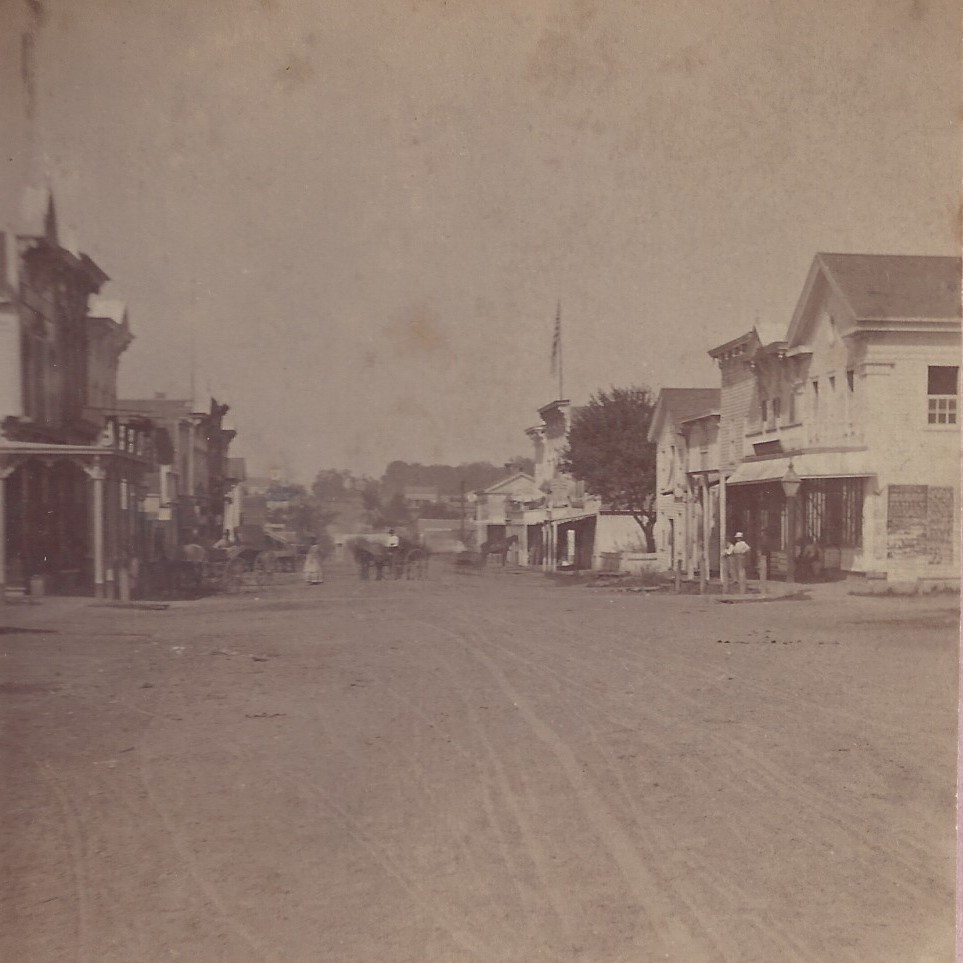
1951 in the Village of Flushing, Michigan
1951 in the Village of Flushing, Michigan
1951 was a year of substantial infrastructure investment and administrative consolidation for the Village of Flushing, Michigan. The Village Council completed major water system improvements, advanced the comprehensive sewer system construction, enacted important ordinances affecting development and public safety, and managed significant personnel transitions. Despite challenges including labor shortages and material costs, the village demonstrated effective governance through strategic planning, careful fiscal management, and responsive public service. The year marked a pivotal moment in Flushing's transformation from a small agricultural village into a modern suburban community with comprehensive utilities and professional municipal services.
Municipal Officials
| Position | Name |
|---|---|
| Village President | William F. Boehm |
| Village Clerk/Manager | Arthur E. Gibbs |
| Village Treasurer | Harlan W. Dyball |
| Fire Chief | Claud B. Wood (Claude Wood) |
| Assistant Fire Chief | Ellis Bristol |
| Street Commissioner | George Wilson |
| Water Superintendent | Clayton Hatchew |
| Town Marshal (Day Police) | Harry Armstrong |
| Night Watchman | Loren Gillespie |
| Trustees | Don Campbell, Herman Eller, Neil McIntosh, Albert Woodhouse, George Woodhouse, Delbert Schillman |
Leadership and Administration
President William F. Boehm provided stable leadership throughout 1951, guiding the Council through ambitious infrastructure projects and administrative refinements. The professional village management structure under Arthur E. Gibbs continued to prove effective, with Gibbs serving the dual role of Village Clerk and Manager at a combined salary.
Fire Chief Claud B. Wood (also recorded as Claude Wood) continued his remarkable tenure of nearly 40 consecutive years, with Ellis Bristol as Assistant Fire Chief. The departmental structure remained stable with George Wilson as Street Commissioner, Clayton Hatchew as Water Superintendent, Harry Armstrong as day Marshal, and Loren Gillespie as night watchman.
The Council composition included trustees Don Campbell, Herman Eller, Neil McIntosh, Albert Woodhouse, George Woodhouse, and Delbert Schillman, providing diverse perspectives on village governance.
Sewer System Construction Advances
Building on voter authorization secured in 1949, the comprehensive sanitary sewer and sewage treatment plant project moved from planning into active construction phases in 1951:
Project Scope: The comprehensive plan included main trunk sewers along primary village streets converging at a treatment facility, with total estimated costs around $315,000 financed through a combination of general obligation bonds ($140,000) and revenue bonds ($175,000).
Construction Progress: While detailed construction milestones aren't fully documented in available excerpts, the Council actively managed contractor oversight, materials procurement, and coordination with engineers Pate & Hirn throughout 1951. Regular progress reports were delivered at Council meetings.
Financing Management: The Council carefully managed bond proceeds, contractor payments, and reserve funds to ensure project completion within budget while maintaining village operating funds for essential services.
Budget and Financial Management
The 1951 budget reflected the village's growth and infrastructure investments:
Tax Rate: The Council maintained fiscal discipline while funding expanded services and capital projects. Property tax collections remained strong, supporting both operations and debt service on infrastructure bonds.
Employee Compensation: Building on the December 1950 cost-of-living adjustments, the Council continued competitive wage policies:
- Full-time employees maintained the $4/week increase implemented in late 1950
- Hourly workers received the 8¢/hour raise
- Merit increases were granted for exceptional performance
Financial Reporting: Treasurer Harlan Dyball provided regular financial statements showing revenue collections, expenditures by department, and cash balances, demonstrating transparent fiscal management.
Water System Operations and Enhancements
The water treatment plant entered its twelfth year of operation with ongoing improvements:
Production and Distribution: Monthly water production averaged 3.5-4.5 million gallons, serving a growing customer base. The system maintained excellent pressure and quality throughout the distribution network.
Infrastructure Improvements:
- New water service installations continued in developing areas
- Fire hydrant installations enhanced fire protection coverage
- Main line repairs and upgrades addressed aging infrastructure
- Meter replacements ensured accurate billing
Treatment Operations:
- Chemical feeding systems maintained water softening effectiveness
- Regular testing confirmed compliance with state health standards
- Salt supplies (Morton Salt contracts) ensured continuous softener regeneration
- Caustic soda and other treatment chemicals managed through bulk purchasing
Personnel: Water Superintendent Clayton Hatchew managed daily operations, supported by part-time laborers for meter reading, service connections, and emergency repairs.
Street Maintenance and Development
Street Commissioner George Wilson oversaw comprehensive street maintenance and improvement programs:
Routine Maintenance:
- Regular grading of unpaved streets
- Dust control through calcium chloride application
- Snow removal and ice control during winter months
- Pothole patching and surface repairs on paved streets
Drainage Improvements:
- Catch basin construction and cleaning
- Culvert installations at key intersections
- Drain tile extensions to address flooding
- Coordination of drainage with sewer system construction
Sidewalk Program: The village continued its cost-sharing policy for sidewalk construction and repair, encouraging property owner participation in pedestrian infrastructure expansion. New concrete sidewalks were completed in multiple locations throughout 1951.
Equipment and Materials:
- Gravel and stone purchased for road maintenance
- Asphalt and Tarvia applied to extend pavement life
- Street signs and traffic control devices installed as needed
- Maintenance equipment serviced and upgraded
Fire Department and Emergency Services
Fire Chief Claude Wood and the volunteer department maintained high readiness standards:
Compensation: The standard structure continued with $30/month for the Chief, $12.50/month for the Assistant Chief, plus per-call stipends. Monthly meeting attendance was compensated separately.
Equipment and Facilities:
- The new Crawford Marvel-Lift door installed in 1950 improved apparatus bay efficiency
- Fire hoses and equipment were regularly inspected and replaced as needed
- The fire engine received routine maintenance and upgrades
- Fire Hall custodial services maintained facility cleanliness
Fire Protection Contracts: Agreements with Flushing Township and surrounding jurisdictions provided revenue to support equipment purchases and operations while extending fire protection beyond village boundaries.
Training: Firefighters participated in drills and attended state association conferences to maintain skills and learn new firefighting techniques.
Public Safety and Law Enforcement
Police services operated effectively under the two-officer structure:
Police Activity: Monthly reports documented comprehensive law enforcement:
- Traffic enforcement with 30-40 tickets issued monthly
- Building security checks (unlocked door discoveries)
- Tavern inspections for liquor law compliance
- Accident investigations
- Criminal investigations (larceny, breaking and entering, etc.)
- Drunk and disorderly arrests
Taxi Regulation: The Council finalized taxi fare ordinances in early 1951, maintaining rates established in late 1950 to balance affordability for riders with viability for operators.
Amateur Radio Integration: Following December 1950 presentations, amateur radio operators provided emergency communication backup, enhancing disaster preparedness.
Ordinances and Municipal Regulations
The Council enacted several significant ordinances addressing community development:
Building and Development: Updated building permit procedures and enforcement mechanisms ensured new construction met safety and zoning standards.
Traffic and Parking: Refinements to parking restrictions and traffic control ordinances improved downtown safety and circulation.
Public Health and Safety: Ordinances addressing nuisances, animal control, and sanitation maintained community standards.
Community Services and Facilities
Community Center: The Community House continued serving multiple functions:
- Village offices and council chambers
- Public library operations
- Community meetings and civic events
- Private rentals generating revenue
Sanitation Services:
- Weekly garbage collection by contractor Frank Dunning
- Monday trash and ash pickup throughout village
- Saturday refuse collection in north and south alleys
- Special collections as needed
Parks and Recreation: Village grounds maintenance supported community recreation, with regular upkeep of parks, public spaces, and athletic facilities.
Year-End Assessment
By December 1951, the Village of Flushing had achieved remarkable progress in its infrastructure modernization program. The sewer system construction advanced steadily toward completion, the water system served growing demand reliably, and street improvements continued despite budget constraints.
Administratively, the consolidated clerk/manager role under Arthur Gibbs streamlined operations and improved coordination across departments. The stable Council under President Boehm's leadership maintained focus on long-term goals while addressing immediate community needs.
Financially, strong tax collections and careful expenditure management allowed the village to fund major capital projects while maintaining essential services. The professional approach to municipal management—from detailed financial reporting to systematic infrastructure planning—demonstrated Flushing's evolution into a modern, well-governed community.
Most significantly, the progress made in 1951 on the comprehensive sewer system represented a transformative investment that would serve the village for generations. Combined with the reliable water supply, improved streets, and enhanced public safety services, these accomplishments positioned Flushing for the residential growth and economic development that would define the 1950s and beyond.