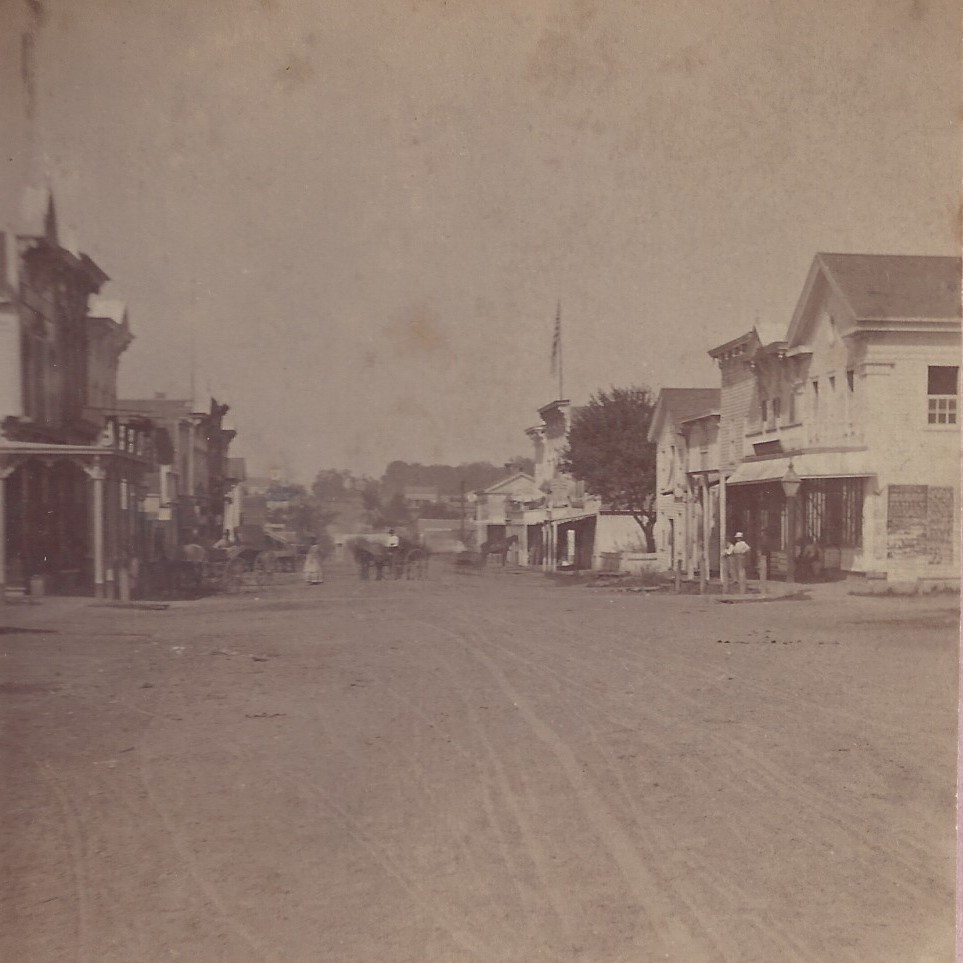
1955 in the Village of Flushing, Michigan
| Position | Name |
|---|---|
| Village President | John Talsma (until March 1955); Frederick W. "Fred" Hertrich (from March 1955) |
| Clerk | Jane Boardman (until October 1955); Jane Price (from October 1955) |
| Treasurer | Harlan Dyball |
| Village Superintendent | Arthur Gibbs (until January 1955); Richard D. Riley (Village Manager, from January 1955) |
| Chief of Police | Henry H. Beach |
| Fire Chief | Edwin B. "Cap" Parks |
| Trustees | George Woodhouse, Arthur M. Warner, Evart Scott, Arthur Gibbs, Harold O’Brien (from July 1955) |
Overview
1955 was a transformative year for the Village of Flushing, marked by sweeping infrastructure initiatives, administrative modernization, and a renewed focus on long-term planning. The village launched a comprehensive water system expansion, committed to building a long-overdue sanitary sewer system, and passed several ordinances to manage growth and public works. The year also saw the hiring of Flushing’s first professional Village Manager and the start of construction on the Tucker Memorial Pool, a major civic project funded by a generous estate gift.
Government and Administration
The March election ushered in new leadership, with Frederick W. Hertrich elected Village President, succeeding John Talsma. The Council also appointed Richard D. Riley as the first Village Manager in January, transitioning from the traditional superintendent-led model. Riley assumed responsibility for overseeing all departments and became a central figure in executing the village’s ambitious infrastructure agenda.
The Council passed several key ordinances:
- Ordinance No. 35 authorized $350,000 in revenue bonds to fund water system improvements and established a detailed financial structure for repayment through water revenues.
- Ordinance No. 36 created a comprehensive subdivision control framework, requiring developers to install infrastructure or provide financial guarantees before plat approval.
- Ordinance No. 37 enabled the village to levy special assessments for new water mains and line extensions.
- Ordinance No. 39 regulated street and sidewalk excavations, requiring permits and restoration standards to protect public infrastructure.
A Planning Committee was formed to explore the feasibility of Flushing becoming a Fifth-Class City. The Council also navigated multiple annexation petitions, balancing growth with infrastructure capacity and zoning considerations.
Water System Expansion
In response to the 1954 water crisis, the village moved swiftly to secure a reliable water supply. The Council purchased a well site from Edwin and Wilma Dalton for $9,120 and contracted Riegler Well Drilling Co. to develop the well. Blackford Brothers were awarded the contract for water main installation, and a 500,000-gallon elevated water tower was constructed on the site of the existing tower to reduce costs.
The Council also explored additional well sites, including the Cottrill property and a location on Elms Road. Although the Cottrill site proved insufficient, the Dalton well showed strong output and was designated as the primary source. A new wellhouse was constructed, and the water system expansion progressed steadily throughout the year.
Sewer System Planning
Prompted by new FHA loan restrictions and state health mandates, the Council passed a resolution in January committing to a complete sanitary sewer system by January 1, 1957. Engineering firm Pate & Hirn was hired to draft plans, and the Council remained in discussions with the Flint Area Study Group and Genesee County Drain Commissioner regarding potential regional sewer solutions.
In October, the Michigan Department of Health issued a conditional permit allowing temporary sewer extensions, contingent on the village completing a treatment plant by 1958. The Council formally accepted the permit and continued to evaluate both independent and regional options, requesting cost estimates from the county to inform their decision.
Streets and Public Works
The Council approved paving and sidewalk projects on Terrace Drive, Hazelton Street, Labian Drive, and other areas. Ordinance No. 39 was passed in December to regulate street and sidewalk excavations, requiring permits and restoration standards. Parking meters were installed downtown, and traffic safety measures included new stop signs, street lighting in annexed subdivisions, and coordination with Consumers Power to implement a standardized house numbering system.
Community and Civic Life
Construction began on the Tucker Memorial Pool, funded by the Max D. Tucker estate. Revised plans were approved in April, and contracts totaling $82,203 were awarded. Additional land was acquired for parking, and a commemorative plaque was commissioned. The Fire Department hosted its annual carnival, and the Police Department received a new patrol car and equipment upgrades. The Council supported library expansion, youth activities, and park improvements, including a skating rink and tree planting by local Cub Scouts.
Financial Highlights
The village maintained a steady tax rate of 15.5 mills. The water system improvements were financed through revenue bonds, and the Tucker Pool was fully funded by the Tucker estate. The Council approved modest salary increases for village employees and maintained a balanced budget while investing in long-term infrastructure and public services. A new bond ordinance established reserve and improvement funds to ensure financial stability and investor confidence.