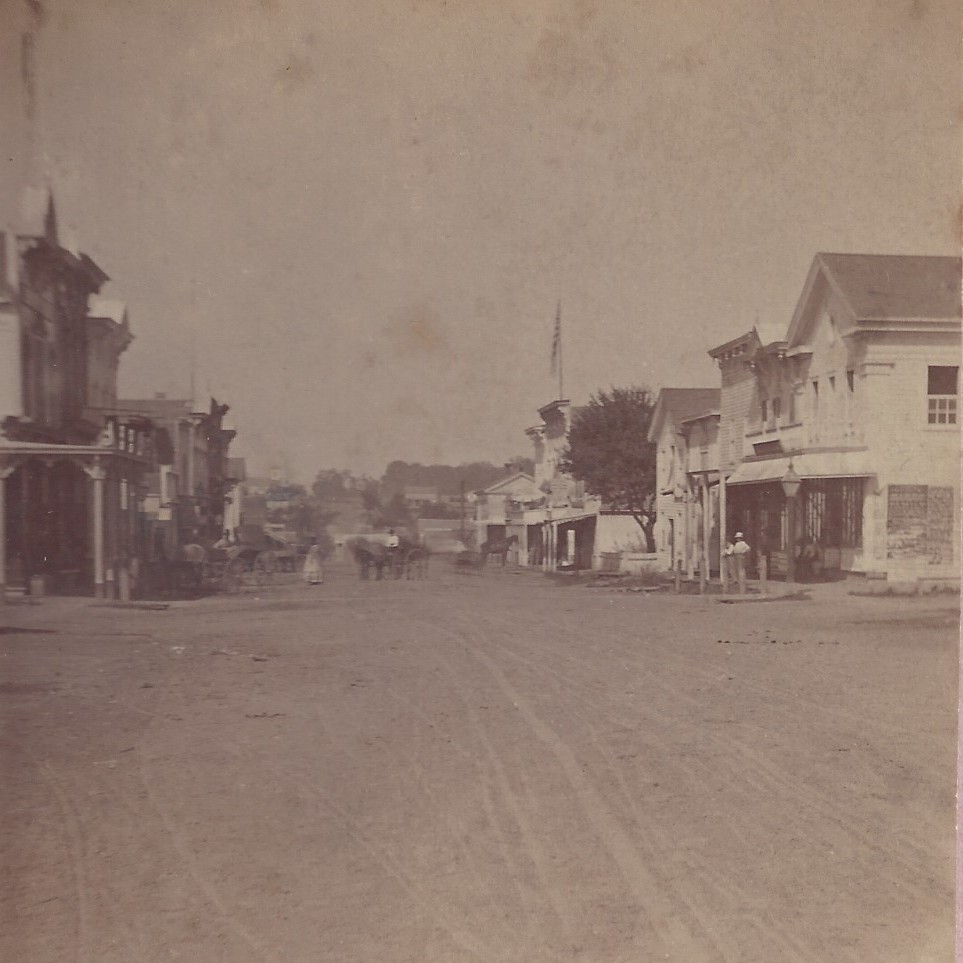
1960 - 1961 in the Village of Flushing, Michigan
| Position | Officeholder |
|---|---|
| Village President | Clayton Fraser |
| Village Clerk | Doris Schmoak |
| Village Treasurer | Harlan Dyball |
| Village Marshal (Police Chief) | Henry Beach |
| Fire Chief | Edwin "Ed" Parks |
| Village Superintendent | Russell McIntosh |
Flushing, Michigan (1960–1961)
During the years 1960 and 1961, the Village of Flushing experienced significant municipal developments and community activities. The village government, led by President Clayton Fraser, focused on improving infrastructure (especially water and sewer systems), updating local ordinances and the village charter, and enhancing public services. Key initiatives in this period included an ambitious sewer expansion program to meet state health requirements, measures to address water supply shortages (such as summer lawn-watering restrictions), and the adoption of new traffic safety and building codes. The community actively engaged in civic improvement campaigns and local events, highlighted by “Michigan Week” beautification efforts and cooperative ventures between the village and civic groups. These two years were a transformative time for Flushing’s local governance and public works, laying groundwork for future growth and the eventual transition from village to city status in 1964.
Government and Charter Reforms
In 1960–61, Flushing’s village government was headed by President Clayton Fraser, with Doris Schmoak as Village Clerk and Harlan Dyball as Treasurer. The Village Council consisted of six trustees (including James Bersinger, Ralph Furse, Phillip Gundlach, Ralph Morrish, Frank McCarty, and others during this period) and met regularly to address local affairs. James Bersinger served as president pro tempore of the Council.
In late 1960, the Council proposed a series of charter amendments to modernize the electoral process and expand the village’s financing tools for improvements. These amendments provided for non-partisan nomination of village officers by petition, the use of primary elections if needed, and non-partisan general elections. They also removed several restrictive limits on special assessments and bonding. After a public hearing and state approval, village voters overwhelmingly approved all the charter amendment proposals in the March 13, 1961 election.
The Council also adopted new or revised ordinances to improve municipal administration. In August 1960, it formally adopted the Uniform Traffic Code (Ordinance No. 48). The Council updated policies on sidewalk construction cost-sharing and took steps to enforce building and housing codes more rigorously. In March 1961, the Council established the first formal employee vacation and sick leave policy.
Village finances during this period were managed prudently. The annual budget for fiscal 1960–61 was about $263,500, and the property tax rate remained steady at 23 mills. The Council balanced budgets through careful fund transfers and by maintaining reserve funds.
Infrastructure and Public Works
Water Supply
A major concern in 1960–61 was the village’s strained water supply. On April 11, 1960, the Council enacted a seasonal “sprinkling ban” (Ordinance No. 47) prohibiting lawn watering during summer daytime hours. The village also refused to approve new large water hookups that might exacerbate the shortage.
In January 1961, Flushing representatives met with the City of Flint regarding a possible emergency water pipeline link, but Flint ultimately refused the request. The Michigan Department of Health approved continued use of one village well (Well #3) on the condition that automatic shut-off controls and chlorination procedures were implemented.
Due to a harsh winter in 1960–61, the village dealt with numerous frozen water lines. The Council debated whether to cease offering municipal thawing services, but the proposal was voted down.
Sewer Expansion
The improvement of Flushing’s sewer system was a top priority. In March 1961, state official Wallace Benzie met with the Council to urge action. The Council moved forward with plans to construct sanitary sewers in “Zone #2” of the Master Plan. Gould Engineering was authorized to draft detailed plans, and $10,000 was transferred to the Sewage Disposal System fund.
New sewer lines were gradually extended to serve developments. The Council approved connections for a Church of Christ building and homes on Henry Street. In September 1960, the village coordinated with developers of the Valleyview subdivision and a new high school on Deland Road to plan for future sewer service.
To finance these projects, the village relied on special assessments and expanded its bonding authority through charter amendments.
Streets and Equipment
The village undertook several projects to improve streets and public facilities. In November 1960, Flushing purchased a new street sweeper and a used tank truck for dust control. The Council approved installing two overhead flashing traffic signals and additional streetlights in new residential areas.
In early 1961, the village added a “Yield Right of Way” sign and repositioned a “No Parking” sign to improve visibility. The Council passed an amendment requiring curbs and gutters in all new streets.
Civic buildings and properties saw improvements. Guardrails were installed along riverbanks, fire extinguishers were added to the Community Center, and garage space was rented for winter equipment storage.
Community Events and Initiatives
The years 1960–1961 saw an active community life. Michigan Week was enthusiastically observed, with President Fraser proclaiming May 1961 as "Paint-Up, Fix-Up, Clean-Up Month." Trustee James Bersinger chaired the Michigan Week committee, and Trustee Ralph Morrish coordinated cleanup efforts with the Chamber of Commerce.
Village facilities supported local organizations and events. The King’s Daughters rented the Community Center lounge, and the VFW Auxiliary hosted an “Americanism Program.”
The Flushing Volunteer Fire Department, under Chief Ed Parks, served both the village and Flushing Township. The Council considered extending fire protection to the Dalton subdivision in Mt. Morris Township. The Police Department, led by Marshal Henry Beach, upgraded its patrol car and hired a part-time meter reader.
The Council remained responsive to citizen concerns, addressing issues such as dust from unpaved roads, dangerous intersections, and utility billing problems. A new rule required residents to submit requests in advance to speak at Council meetings. Village officials also participated in Michigan Municipal League conferences to stay informed on best practices.
By the end of 1961, the Village of Flushing had made considerable progress in modernizing its government and improving local infrastructure, while maintaining strong community involvement.