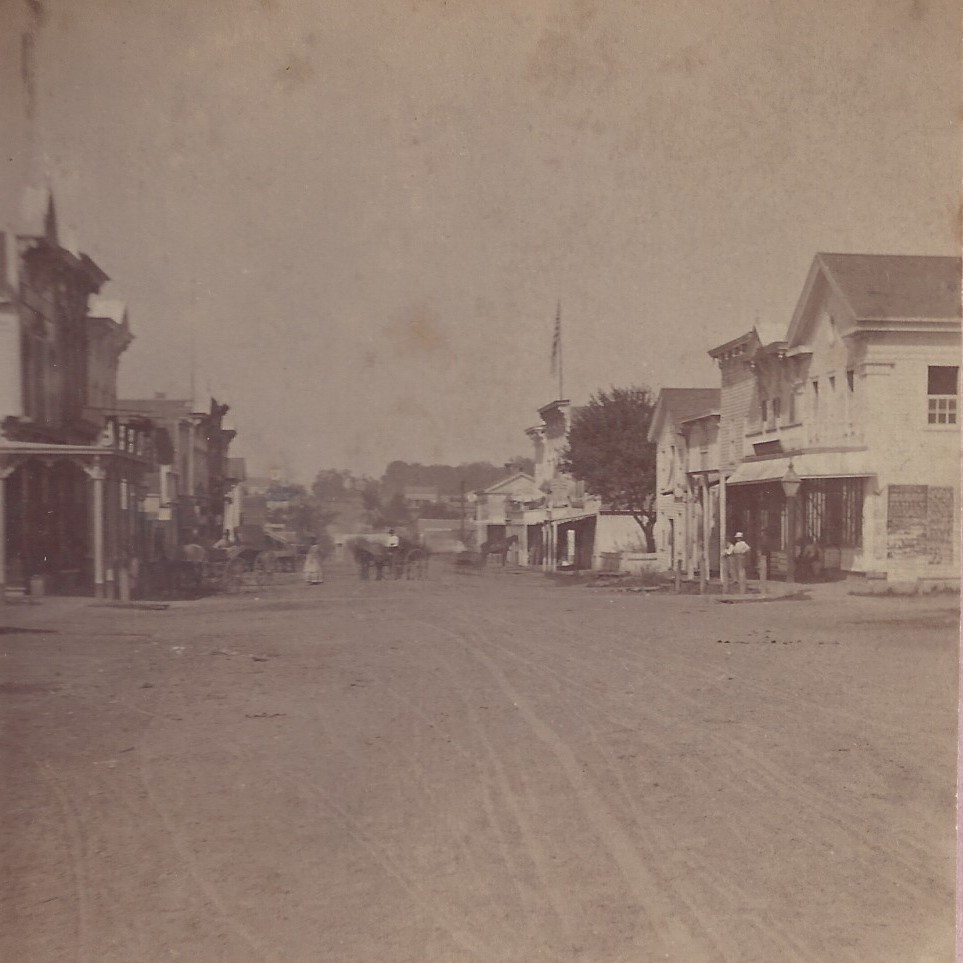
1961 - 1962 in the Village of Flushing, Michigan
| Position | Officeholder |
|---|---|
| Village President | Clayton A. Fraser |
| Village Clerk | Doris Schmoak |
| Village Treasurer | Harlan W. Dyball |
| Village Assessor | George Woodhouse |
| Chief of Police | Henry Beach |
| Fire Chief | Edwin "Ed" Parks |
1961–1962 in the Village of Flushing, Michigan was a pivotal period marked by civic growth, infrastructure modernization, and community engagement. Under the leadership of Village President Clayton A. Fraser and a proactive Village Council, Flushing undertook significant public works projects, revised zoning ordinances, expanded public safety services, and supported local organizations and events. This article provides a comprehensive snapshot of the village’s governance and development during this time.
Infrastructure and Public Works
Sewer System Expansion
In response to growing residential development and the need for improved sanitation, the Village Council initiated a major overhaul of the sewer infrastructure. In August 1961, residents approved two bond proposals: $190,000 for storm sewer construction and $100,000 for an interceptor sanitary sewer. These funds enabled the village to proceed with critical upgrades.
By January 1962, the Council awarded a $77,732.60 contract to Fisher Contracting Company of Midland for the construction of a central sanitary interceptor using clay pipe. Additionally, Schmieg Industries of Detroit was selected to supply a prefabricated sanitary sewer lift station for $10,800. These projects were essential to modernizing the village’s wastewater management system and accommodating new housing developments.
Water Supply Development
To ensure a sustainable water supply, the Council pursued the acquisition of land for a new municipal well. In September 1961, the village entered into an option agreement with Francis and Vina Walling for land south of the village. The agreement allowed for test drilling and potential purchase, with the goal of expanding the village’s water capacity.
Dunbar Well Drilling Co. of Parma, Michigan, was awarded the contract to conduct exploratory drilling. The Council also addressed water infrastructure needs by authorizing the installation of new fire hydrants and ensuring that commercial users, such as laundromats, were properly metered for sewer usage.
Street Improvements and Lighting
The Council worked with the Genesee County Road Commission to assess and plan improvements to Kelly Road, including a proposed paving project with a village contribution of approximately $2,000. Street lighting was expanded with the installation of two new lights on Coutant Street, and additional “No Parking” signs were placed in the North Alley to improve traffic flow and safety.
Village Facilities and Equipment
The Village Offices underwent remodeling in late 1961. Vern Rogers was awarded the construction contract, and Gilmour Electric handled the electrical work. The renovations modernized the administrative hub of the village. The Council also approved the purchase of a Homelite chain saw for public works and red flasher lights for emergency use by auxiliary police officers.
Residential Development and Parks
The Council approved plats for Chestnut Acres No. 3 and Tawamar Heights No. 2, facilitating new residential growth. Sanitary sewers were extended to East Flushing Estates, and residents began paying usage fees.
Cornwell Park, funded through a trust established by the Genesee Merchants Bank, was under development. The Council delayed formal acceptance of the park property until its completion. Separately, the village purchased a 4.35-acre island in the Flint River for $500, using funds donated by the Flushing Chamber of Commerce. The land was designated for recreational use and marked a significant addition to the village’s green space.
Zoning and Planning
East Flushing Acres Rezoning
A major zoning issue arose in late 1961 concerning Lot 15 of East Flushing Acres No. 1. Originally zoned for commercial use (C-1), residents petitioned for it to be rezoned to residential (R-1) to preserve the neighborhood’s character. After public hearings on November 20 and December 11, 1961, the Council unanimously approved the rezoning. The decision was later challenged legally by property owner Floyd Smith, but the Council stood by its action.
Assessors Plat No. 3 Rezoning Proposal
In early 1962, a group of property owners submitted a petition to rezone a portion of Assessors Plat No. 3 (bounded by Chamberlain, Boman, Main, and Hazelton Streets) from R-1 to R-3 to allow for multi-family housing. The Council scheduled a public hearing for April 16, 1962, and ensured compliance with state notification laws.
Ordinance and Planning Updates
The Planning Commission recommended updates to Zoning Ordinance No. 22 and zoning classifications for new developments. The Council also passed Ordinance No. 51 in March 1962, requiring motorists to stop for school buses within village limits, enhancing student safety.
Enforcement and Permits
The Council addressed unauthorized business operations in residential zones by directing the police to notify violators and require them to apply for specific use permits, reinforcing zoning compliance.
Public Safety and Services
Fire Department
Fire Chief Parks reported 64 alarms in 1961, including dwelling fires, vehicle fires, grass fires, and false alarms. Property losses totaled over $21,000. The Council approved a fire protection agreement with Mt. Morris Township’s Dalton Subdivision, extending services beyond village limits. The department also hosted the Genesee County Firefighters Association meeting at the Community Center.
Police Department and Traffic Control
Led by Chief Beach, the police department focused on traffic enforcement and public safety. The Council addressed downtown parking violations, implemented one-way traffic on Cherry Street during Sunday church services, and adopted Ordinance No. 51 for school bus safety. The department received funding for uniforms and emergency equipment.
Public Health and Civil Defense
The village’s water plant operator received a D-2 certification from the Michigan Department of Health, ensuring qualified oversight. The Council also discussed establishing a civil defense program, reflecting Cold War-era preparedness concerns.
Community and Civic Life
Youth Engagement and Recognition
In February 1962, the Council celebrated Boy Scout Week by inviting local scouts to lead the Pledge of Allegiance and issuing a proclamation recognizing their contributions.
Community Events and Support
The Council supported local organizations by approving events such as the Kiwanis Club’s circus at Mutton Park and the Lions Club’s light bulb fundraiser. These events fostered community spirit and civic engagement.
Business and Economic Development
To support downtown businesses, the Council approved a holiday parking meter moratorium in December 1961 and a trial free-parking initiative from April to July 1962, based on a Chamber of Commerce petition.
Intergovernmental Participation
Village officials attended Michigan Municipal League events and joined the Flushing Chamber of Commerce. Superintendent McIntosh was sent to the League’s annual conference on Mackinac Island.
Governance and Finance
Elections and Leadership
President Fraser and other officials were re-elected in March 1962. The Council, comprising trustees Phillips, Furse, McCarty, Bersinger, Gundlach, and Morrish, met regularly and held special sessions for urgent matters.
Financial Management
The village maintained a 92% tax collection rate and managed funds across multiple accounts. The Council invested idle funds in interest-bearing certificates and repurchased $5,000 in 1957 sewage bonds, saving over $3,200 in interest.
Employee Benefits
In January 1962, the Council approved a group insurance plan for full-time employees, providing $2,500 in life insurance and weekly disability coverage. The plan was funded entirely by the village.
Administrative Operations
The Council handled routine bill payments, issued permits, and corresponded with state agencies. Legal matters, such as zoning disputes and ordinance enforcement, were managed with the assistance of the village attorney.
Summary
The years 1961 and 1962 were transformative for the Village of Flushing. Through strategic planning, infrastructure investment, and community collaboration, the village laid the groundwork for future growth while preserving its small-town charm. The Council’s proactive governance ensured that Flushing remained a vibrant and well-managed community.